Omar Artan Gets Hero Welcome In Somalia After U.S. World Cup Block

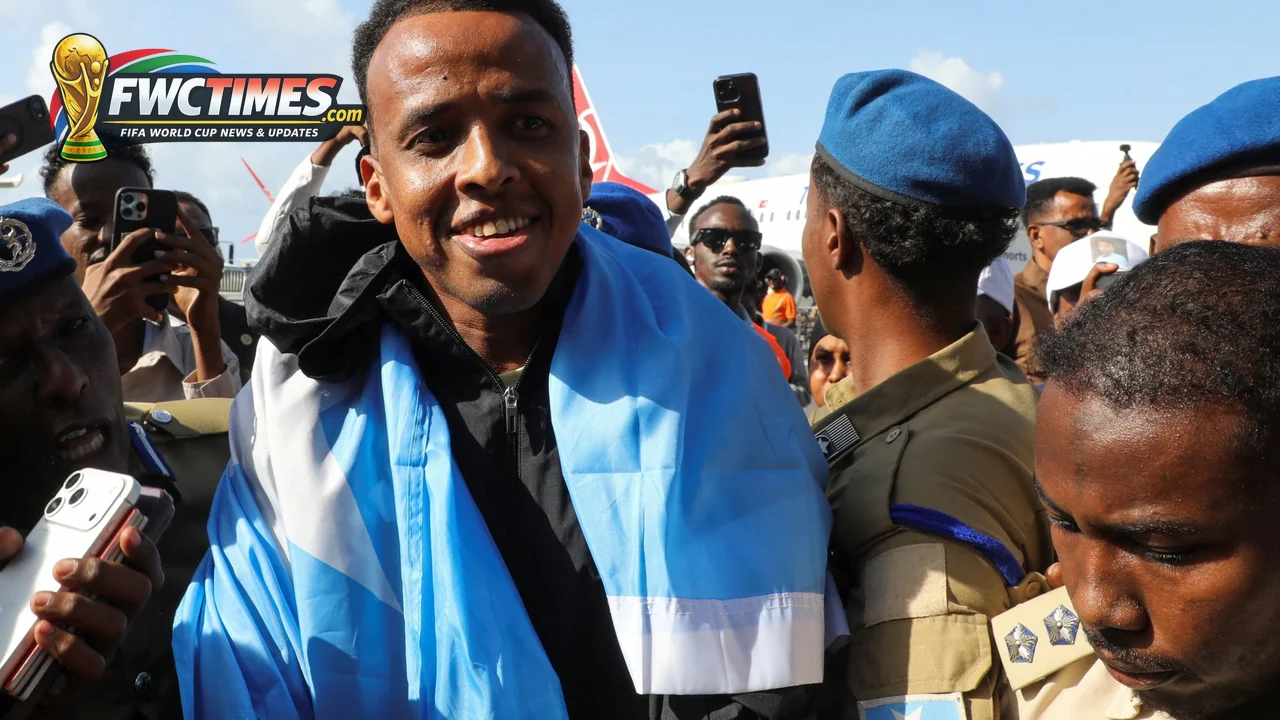
Omar Artan returned to Mogadishu to a hero’s welcome after missing the World Cup because U.S. officials denied him entry. The Somali referee had been set to become the first from his country to officiate at the men’s tournament. Instead, he arrived home to crowds, flags and public praise. The story has now shifted from a border decision to a national statement about pride and exclusion.
The homecoming also keeps pressure on the wider FIFA World Cup 2026 tournament. FIFA has already lost one appointed official from its 2026 referee roster because of the U.S. block. That raises fresh questions for a competition that has promised global access and inclusive staging. Somalia has turned Artan’s return into proof that the setback will not erase what he achieved.
Why Artan’s Return Became Bigger Than One Referee Story
Artan was not a fringe selection. He had already built a strong profile and was named Africa’s best male referee in 2025. His World Cup appointment would have marked a first for Somalia on one of football’s biggest stages. That is why the denial landed so heavily at home.
The original problem had already become one of FWCTimes’ bigger visa and access stories. Readers saw that in the earlier Omar Artan entry-denial report update. U.S. officials cited vetting concerns after Artan arrived in Miami. Somalia’s embassy in Kenya said he had been issued a visa days earlier. FIFA then removed him from the final referee list. That sequence turned a travel problem into a tournament controversy.
His return has now changed the emotional balance. Supporters did not greet him like a man who failed. They greeted him like a man who reached a milestone and was stopped before the finish line. That response matters because referees rarely become the public face of national pride. Artan has become exactly that.
The wider referee picture also matters here. FIFA had already confirmed its 2026 officials list in the earlier World Cup referees update rollout. Losing one selected referee to border restrictions makes that list feel less settled than it should this close to kickoff. It also tells other delegations that paperwork alone may not guarantee arrival.
The Homecoming Keeps Visa And Access Pressure On The Tournament
Artan’s case is no longer standing alone. Visa and entry concerns have touched other parts of World Cup preparation. FWCTimes highlighted that in its earlier Iran visa dispute coverage reporting. The tournament wanted logistical confidence by opening week. Stories like this keep replacing confidence with caution.
Somalia’s leadership understood the symbolic value immediately. Prime Minister Hamza Abdi Barre praised Artan in public and framed the moment as one of national honor. That kind of endorsement tells supporters the country sees him as a success story, not a victim alone. It also ensures the issue stays visible beyond football circles.
The incident now damages more than one reputation. U.S. hosting credibility takes a hit because a FIFA-appointed official could not enter the country. FIFA’s credibility also takes a hit because it could not protect an official already selected for the tournament. Neither institution can claim the matter is minor while stadiums prepare to welcome the world.
Artan’s own message has stayed direct. He still intends to reach the next World Cup. He has urged Somali youth to stay proud of their country. That line keeps the story anchored in ambition rather than bitterness. It also gives the homecoming a forward edge instead of a closing one.
| Omar Artan Case | Confirmed Detail |
|---|---|
| Historic role | Would have become the first Somali referee at a men’s World Cup |
| Recognition | Named Africa’s best male referee in 2025 |
| What happened | Denied entry to the U.S. after arriving in Miami |
| Immediate result | Removed from FIFA’s 2026 referee list |
| Homecoming | Returned to Mogadishu and received a public welcome from supporters and officials |
Artan’s return has given Somalia a moment of unity, yet it has also deepened the tournament’s visa debate. The story now reaches beyond a single referee appointment. It speaks to who gets to participate fully once a World Cup enters hard borders and host-country politics.
FIFA will want the football to reclaim the spotlight. That may happen once matches begin, but the hosting question will not disappear that easily. One of the tournament’s own selected officials could not even enter the country where he was due to work.
Somalia has made its position clear through the scale of the welcome. The country believes Artan belongs in World Cup history already. The fact that he never took the field has only made that belief louder.
Frequently Asked Questions
Somalia has already treated Artan like a World Cup figure. The tournament itself is the part that failed to keep up.
Stay tuned to FWCTimes.com for the latest FIFA World Cup 2026 updates.
Read Also: World Cup Final Halftime Show Delay Frustrates Broadcasters