Infantino And FIFA Face Bipartisan World Cup Pressure

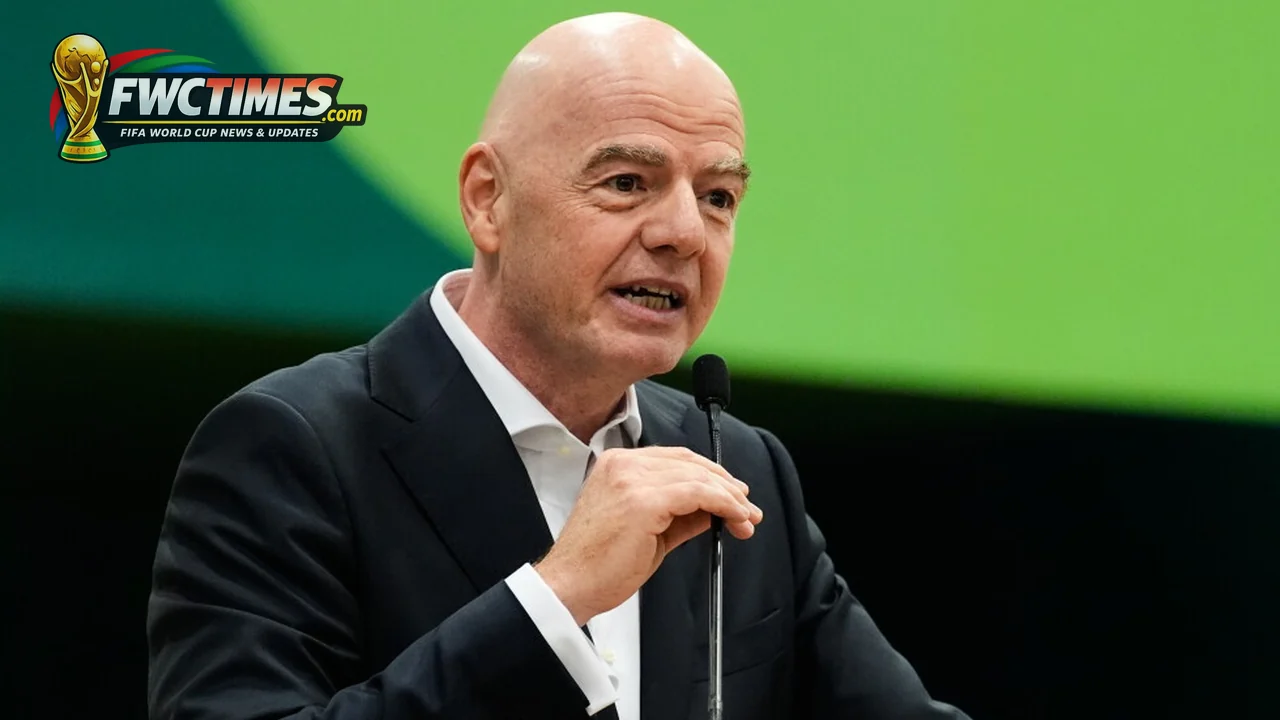
Gianni Infantino and FIFA are facing unusual pressure days before kickoff. The wider World Cup 2026 build-up now includes anger over access, optics and immigration politics. At a US mayors gathering, Infantino joked that America would be “conquered by soccer,” and the room stayed flat. That reaction framed the tension better than any slogan.
The strain goes beyond one speech. Local leaders are still arguing over World Cup tickets costs, transport bills and the political image around the event. The pressure lands hardest in the United States because most of the tournament runs through American cities. That makes FIFA’s political handling part of the football conversation now.
Why Ticket Access Has Become A Real Political Problem
Ticket pricing has pulled politicians from both parties into the story. New York secured 1,000 seats at $50 for residents after local pressure. New Jersey leaders also pushed FIFA over transport costs tied to heavy matchday demand. Even Donald Trump criticized the idea of paying $1,000 to watch the United States play Paraguay.
That matters because host-city excitement can sour fast when ordinary fans feel locked out. World Cups sell national pride, not only premium inventory. Once local voters start treating the event like a closed party, the tone around the tournament changes. FIFA still wants a full-stadium spectacle, but host officials need public legitimacy too.
The final-stage optics sharpen that problem near New York New Jersey Stadium. The venue already carries transport, security and access pressure because the final sits in the same metropolitan orbit as immigration protests and detention-center clashes. That overlap gives critics a bigger opening. It also forces FIFA to answer questions that do not disappear with a press release.
Infantino’s defenders argue that he is managing a difficult environment and protecting the tournament from political shocks. Critics see the opposite picture. They think he has grown too close to power while ordinary supporters face rising costs and mixed messaging. Those two readings now sit side by side before a ball is kicked.
Why The Backlash Reaches Beyond One Country
The tournament should have arrived with a simple football story. Instead, it has become a test of how sport, access and state power sit together in public view. A former US sports diplomacy official described the World Cup as a meeting point between rare opportunity and heavy scrutiny. That feels accurate because both stories are now visible at once.
Republican Senator Todd Young called FIFA detached from regular people and said the organization still carries an elite image. Democrat Rick Larsen said most serious football fans want Infantino to spend less time in headlines and more time promoting the sport. Those remarks came from opposite sides of American politics. That is why the criticism matters more than routine noise.
The White House task force says legal visitors have nothing to fear and wants fans to travel without anxiety. That line may calm some supporters, yet it does not solve the broader concern around who feels welcome in practice. Fans, city leaders and advocacy groups are measuring the gap between official assurance and public mood. FIFA cannot control all of that, but it cannot ignore it either.
The football itself can still reset the tone once matches begin. Packed crowds, strong atmospheres and clean organization would ease part of the outside pressure. Yet the opening week now carries more weight than usual. Host nations need a smooth start because the off-field questions have already arrived in force.
| Pressure Point | Confirmed Situation |
|---|---|
| Conference flashpoint | Infantino’s soccer joke drew a muted response from US mayors |
| Ticket dispute | City and state leaders have challenged pricing and local cost burdens |
| Political criticism | Lawmakers from both parties questioned FIFA’s priorities and image |
| Security backdrop | Immigration and access debates are now tied to host-city planning |
FIFA still has time to steady the public tone, but that work now depends on delivery rather than branding. Fans want smoother entry, fairer access and cleaner communication. Host officials want fewer surprises once crowds start moving. Infantino needs both groups onside.
The political noise does not mean the tournament is in trouble. It means the margin for avoidable mistakes is smaller than FIFA would like. If transport works, gates move and ticket frustration stays contained, the football can reclaim the story. If those pieces wobble, the criticism will grow louder.
That is the real pressure heading into kickoff. FIFA is not only staging matches. It is defending the legitimacy of a giant event in a tense public climate.
Frequently Asked Questions
The opener can change the mood, but FIFA now needs clean execution as much as spectacle.
Stay tuned to FWCTimes.com for the latest FIFA World Cup 2026 updates.
Read Also: FIFA Reverses Water Bottle Ban At US And Canada Grounds