FIFA Reverses Water Bottle Ban At US And Canada Grounds

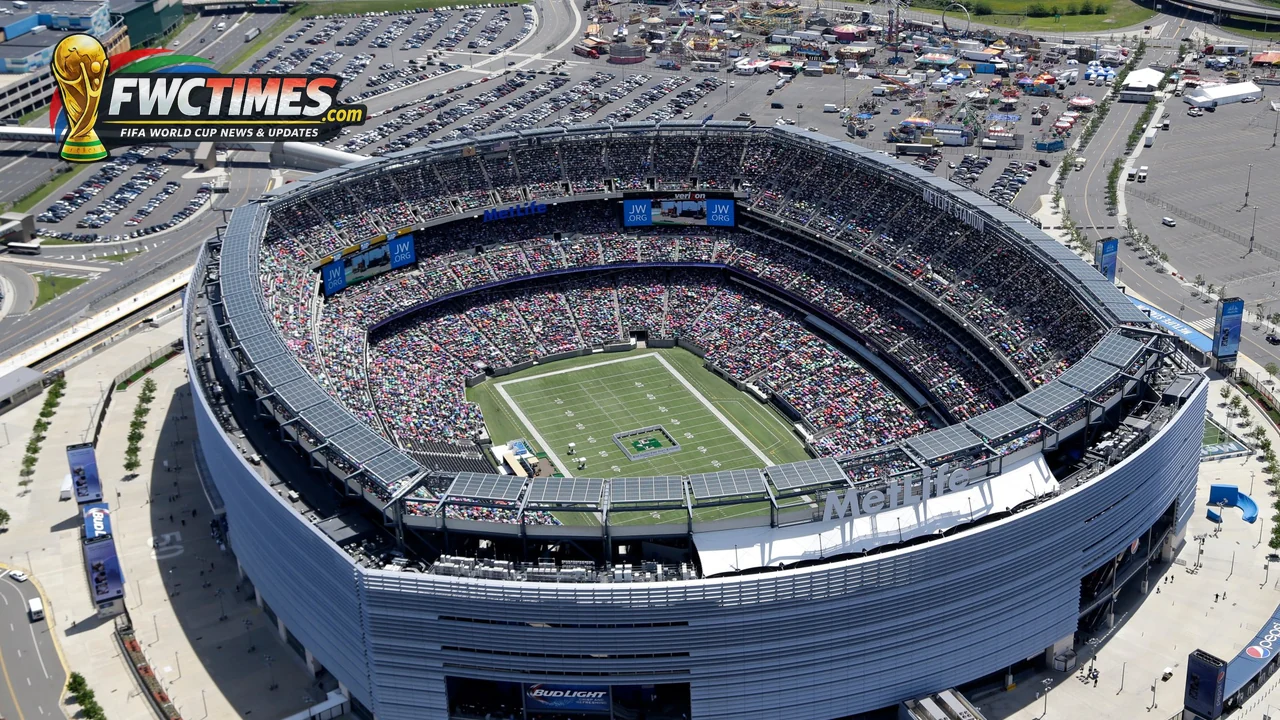
World Cup Water Bottle Policy rules changed again after a loud backlash from fans and host city officials. FIFA now allow supporters to bring disposable water bottles into stadiums in the United States and Canada. The reversal came only days after a stricter ban on reusable bottles triggered criticism. That makes hydration one of the tournament’s first off-field policy battles.
The issue grew because the tournament already faces wider heat concerns. Earlier policy language had allowed empty transparent reusable bottles up to one litre, then Thursday’s revision removed that option and pushed fans toward in-stadium purchases. The new decision reverses that hard line and restores a practical route for matchday hydration. With Toronto Stadium and Los Angeles Stadium preparing for major traffic, the change lands as a direct fan operations story rather than a small rule update.
The backlash also pulled city politics into the tournament. New York Mayor Mamdani was among the critics, and FIFA moved quickly once the issue widened. That speed matters because the FIFA World Cup 2026 still has weeks of heavy summer attendance ahead. It also matters because ticket holders already face enough pressure around travel and entry without extra confusion over water at the gate.
Hydration Became A Real Stadium Issue Before Kickoff
The first policy shift looked minor until people read the practical effect. A ban on reusable bottles meant supporters would have to buy water inside the grounds or arrive with fewer options. In a summer tournament spread across hot cities, that was always going to become controversial. The decision landed badly because it clashed with common-sense fan planning.
FIFA’s earlier stadium rule had allowed empty transparent reusable plastic bottles up to one litre. That gave supporters a clear and flexible standard. The Thursday revision scrapped that allowance and turned the gate rule into a tighter security line. Once that happened, stadium entry moved from a safety question into a cost and welfare question too.
The new reversal does not erase the confusion caused by the change. Some fans will still arrive unsure about exactly which bottle types pass inspection. That means host cities and venue teams need sharper communication from now on. Policy reversals help only when the final message is simple enough to trust.
This also shows how quickly tournament operations can become public football stories. Entry rules, transport and fan welfare now carry almost as much scrutiny as warm-up lineups. FIFA have adjusted early here, which may prevent a bigger queue-management problem later. It is a practical correction, not just a public one.
The Reversal Also Shows How Heat Pressure Is Reshaping Decisions
The bottle story cannot be separated from the weather story. Fans, media and city officials are already watching heat risk in several host locations. A restrictive water rule inside that environment was always likely to fail. FIFA’s U-turn confirms that tournament planning now has to follow climate reality more closely.
Supporters heading into open-air venues will read this change as basic protection. Tournament organisers may frame it as stadium operations, but fans feel it in a more direct way. They need clarity before they travel, queue and pass through security. A bottle policy becomes part of physical comfort once the temperatures rise.
The next step is consistent messaging alongside ticket and entry advice, especially for buyers using the FIFA World Cup tickets channel. Stadium rules can change faster than travel plans. That means clear updates matter more than rigid policy language. The same fans who plan transport and seating now have to plan hydration with similar care.
FIFA have avoided a longer fight by reversing the rule before the tournament reaches full flow. That does not make the episode harmless. It shows how quickly one operational choice can damage trust if it feels detached from real matchday conditions. The governing body now need to keep the final rule stable.
| Policy Point | Confirmed Update |
|---|---|
| Original Allowance | Empty transparent reusable plastic bottles up to one litre |
| Thursday Revision | Reusable bottles were barred from venues |
| Latest Decision | Disposable water bottles are now allowed in US and Canada stadiums |
| Public Pressure | Fans and host city officials criticised the ban |
| Why It Matters | Hydration and entry planning are major issues in a summer tournament |
FIFA deserve credit for changing direction before the issue became a full tournament flashpoint. The quick reversal should reduce some of the stress around stadium entry. Yet fans still need the final wording pushed clearly across all host venues. Confusion at the gate can undo good policy in a few minutes.
This episode also adds weight to the larger weather conversation. If organisers already worry about heat and storms, hydration rules cannot work against that concern. The bottle issue showed how fast those two subjects collide. Expect more close scrutiny on other fan welfare decisions now.
Supporters usually judge tournament operations through simple experiences. Can they get in quickly, stay safe and manage the weather inside the venue. The bottle reversal sits inside that test. FIFA have corrected one problem early. They now need consistency more than explanation.
Frequently Asked Questions
FIFA fixed the bottle rule quickly, but the bigger lesson is that fan welfare decisions now get tested in public almost immediately.
Stay tuned to FWCTimes.com for the latest FIFA World Cup 2026 updates.
Read Also: Heat Threat Grows Across 2026 World Cup Cities