Haiti World Cup Squad Confirms Nazon, Placide And Ade

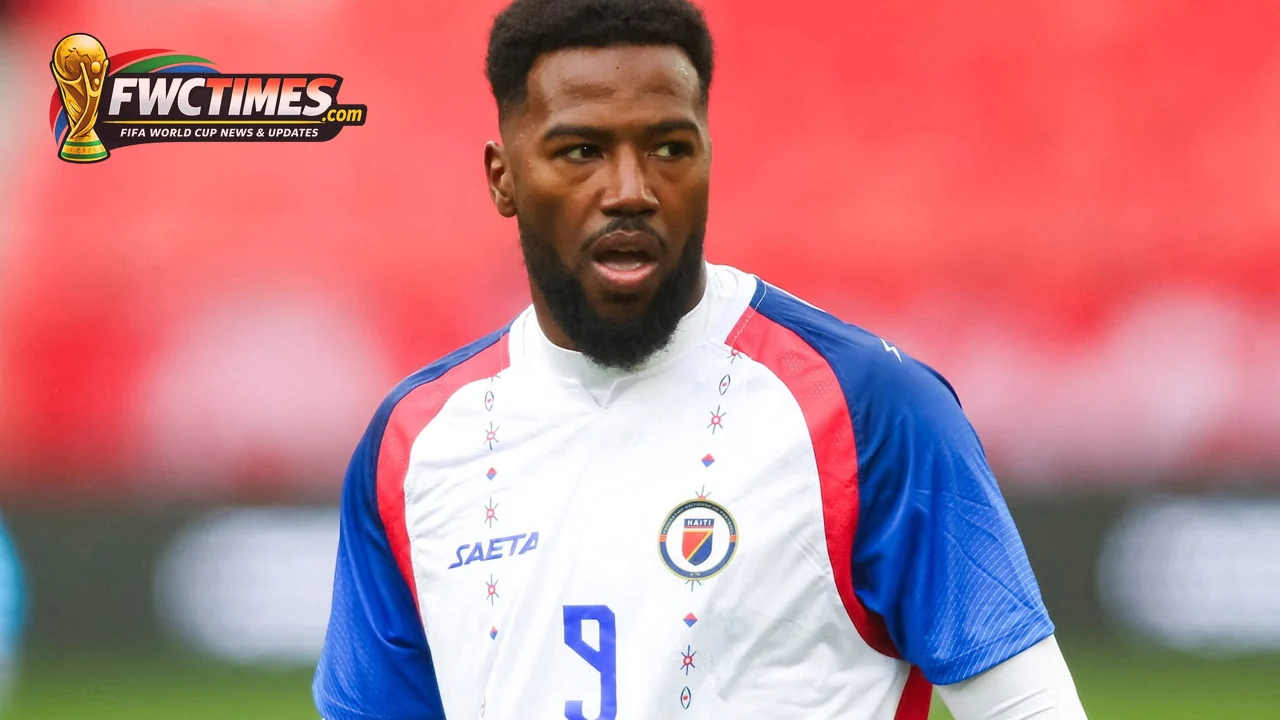
The Haiti World Cup Squad has confirmed Duckens Nazon, Johny Placide and Jean-Kevin Duverne Ade for the nation’s long-awaited return. Haiti are back at the men’s World Cup for the first time since 1974. Sebastien Migne’s selection carries history, emotion and a hard tournament problem in the same list. Haiti must turn a proud comeback into a team that can survive Group C pressure.
Haiti will play in Group C — FIFA World Cup 2026 with Brazil, Morocco and Scotland. That draw gives the squad no soft landing in North America. The FIFA World Cup 2026 stage also puts Haiti’s diaspora-backed support in full view. Migne needs his senior players to steady the team before the group becomes stretched.
Migne Leans On Senior Voices For A Historic Return
Migne’s selection starts with players who understand pressure and travel. Nazon gives Haiti a proven attacking reference, while Placide brings leadership from goal. Ade adds defensive experience and physical presence. Those names matter because Haiti will spend long periods defending against stronger possession teams.
The group also includes younger and mobile options who can help Haiti counterattack. Haiti cannot expect to dominate the ball against Brazil or Morocco. The team must win second balls, keep distances tight and attack space when the game opens. A rushed selection would damage that plan, so Migne has leaned into roles he can trust.
Haiti’s 52-year wait changes the emotional weight of the squad. The players are not only chasing group points; they are representing a football culture that has waited decades for this stage. That pressure can lift a team, but it can also force rushed decisions. Migne’s job is to make the story useful without letting it control the football.
Group C Gives Haiti A Brutal But Clear Test
Haiti’s route begins with one of the hardest possible group profiles. Brazil can punish any lost ball near midfield. Morocco bring strong structure, tournament confidence and wide threat. Scotland add direct running, set-piece pressure and a tempo that can trap Haiti deep.
The Morocco match may become Haiti’s best measure of tactical discipline. Morocco can press with coordination and attack the box through multiple runners. Haiti must avoid conceding early goals because open games favor opponents with greater depth. Placide’s command and Ade’s positioning will matter across the group.
Haiti still have routes to compete. They can slow games through compact blocks, target restarts and use Nazon’s movement to relieve pressure. Scotland may decide whether Haiti can stay alive beyond the first two matches. The squad’s success may rest on turning narrow margins into points.
The forward line gives Migne more than one escape route. Nazon can occupy center-backs, Pierrot can attack crosses, and Isidor can run channels. Those profiles help Haiti avoid predictable counters. The midfield still has to win enough first passes after regain moments.
Haiti World Cup Squad Full Player List
| Position | Players |
|---|---|
| Goalkeepers | Johny Placide, Alexandre Pierre, Josue Duverger |
| Defenders | Ricardo Ade, Carlens Arcus, Martin Experience, Jean-Kevin Duverne, Duke Lacroix, Wilguens Paugain, Hannes Delcroix, Keeto Thermoncy |
| Midfielders | Leverton Pierre, Daley Jean-Jacques, Carl Sainte, Jean-Ricner Bellegarde, Woodensky Pierre, Dominique Simon |
| Forwards | Duckens Nazon, Frantzdy Pierrot, Derrick Etienne Jr, Louicius Deedson, Ruben Providence, Josue Casimir, Yassin Fortune, Wilson Isidor, Lenny Joseph |
The squad carries enough attacking experience to threaten teams that lose patience. Nazon remains central because he can finish chances without Haiti controlling long spells. Placide gives the side a calm goalkeeper behind a likely low block. Ade and Arcus give the defense senior tournament voices in wide and central areas.
Some club listings and positional details can vary across squad trackers, so Haiti’s final matchday roles still need confirmation. Migne will care less about labels and more about compact distances. Haiti need forwards who defend before they counter. That collective discipline will decide whether the historic return becomes competitive.
Haiti also need clean set-piece defending. Group C opponents can turn corners and wide free kicks into pressure spells. Placide’s experience should help the back line hold its shape. One avoidable set-piece goal could change the story of a match.
Frequently Asked Questions
Haiti’s return has real emotional power, but Migne needs defensive order and quick attacking choices to keep Group C alive.
Read Also: Norway World Cup Squad Names Haaland And Odegaard