World Cup Opening Ceremonies Now Have Clear Times And Lineups

World Cup opening ceremonies are no longer a loose concept across three host nations. FIFA now has clear dates, ET start times and performer groups for Mexico City, Toronto and Los Angeles around FIFA World Cup 2026. The schedule starts on June 11 in Mexico, then shifts to Canada and the United States on June 12. That gives the tournament three separate launch moments instead of one shared curtain-raiser.
The structure matters because each ceremony sits next to a host-nation opener. Mexico lead the way before their first match, then Canada and the United States get their own stage the next day. That sequencing lets FIFA market the event country by country. It also turns entertainment planning into a direct part of match buildup rather than a side show.
What The Three Ceremony Windows Now Look Like
Mexico opens the sequence on Thursday, June 11 at 1:30 p.m. ET in Mexico City. The show leads straight into the tournament opener and pulls its lineup from both local and international stars. Maná, Alejandro Fernández, Belinda, Lila Downs, Los Ángeles Azules, Tyla, Burna Boy, J Balvin, Shakira and Danny Ocean form the main cast. That gives the night a strong Latin spine before Mexico vs South Africa Preview takes over the football attention.
Canada gets the second ceremony on Friday, June 12 at 1:30 p.m. ET in Toronto. Alanis Morissette, Alessia Cara, Jessie Reyez, Michael Bublé, Nora Fatehi and William Prince headline a group that also includes Elyanna, Sanjoy and Vegedream. The city already had a separate performer angle in Toronto World Cup Opening Ceremony Brings A Canadian All-Star Lineup, and the final timing now gives that story a firm matchday frame. The ceremony runs before Canada face Bosnia and Herzegovina.
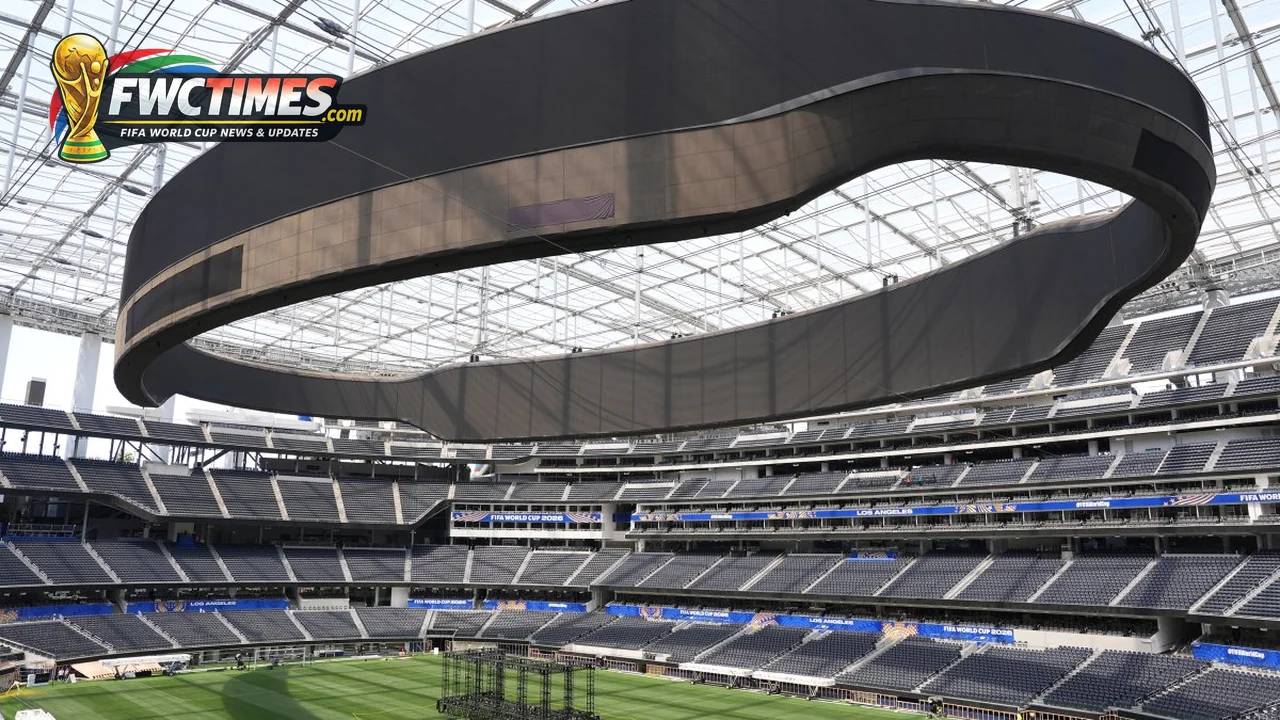
The United States ceremony closes the launch run later that same day. Los Angeles Stadium stages the show at 7:30 p.m. ET before USA vs Paraguay. Katy Perry, LISA, Rema, Anitta and Future drive the headline package, which matches the glossier entertainment pitch already seen in Katy Perry And LISA Headline Triple Opening Ceremony Reveal. The time slot also gives the United States the most prime-time television window of the three.
One small detail sharpens the whole picture. Toronto and Mexico share the same 1:30 p.m. ET kickoff ceremony window on back-to-back days, while Los Angeles lands in prime time. Fans tracking match access can pair those timings with the broader Canada vs Bosnia stream and TV schedule guide for the Canadian opener. That makes the ceremonies easier to treat as part of the football schedule, not separate promo noise.
Why FIFA Split The Launch Across Three Cities
The three-show structure is deliberate. FIFA wants each host nation to feel like a lead market on its own opening day. A single North America launch would have created scale, yet it would also have diluted local identity. These separate ceremonies let each host tell a different cultural story before its first match.
Mexico’s show leans into regional star power and tournament tradition. Toronto’s version pushes a more homegrown roster with a few international bridges. Los Angeles swings hard toward global pop reach and broadcast flash, which fits the venue and the city’s entertainment profile. The Los Angeles Stadium World Cup 2026 Schedule and Guide page already framed the venue as a major event stage, and the ceremony plan confirms that role.
There is also a practical broadcast upside. Separate ceremonies spread attention across two days, keep host-nation audiences engaged and give rights holders more appointment viewing. That matters in a tournament where the music package has become a second entertainment track beside the football. It also helps explain why FIFA has built a larger pre-match show calendar than many earlier editions.
The strongest takeaway is that FIFA is using entertainment to localize the opening week. The tournament still starts in Mexico City, but Toronto and Los Angeles are not waiting quietly for later rounds. Each city gets a launch night with its own tone, and that makes the first 48 hours feel much bigger than one opening whistle.
| Ceremony City | Date | Time ET | Opening Match | Headline Performers |
|---|---|---|---|---|
| Mexico City | June 11, 2026 | 1:30 p.m. ET | Mexico vs South Africa | Maná, Shakira, J Balvin, Burna Boy, Tyla |
| Toronto | June 12, 2026 | 1:30 p.m. ET | Canada vs Bosnia and Herzegovina | Alanis Morissette, Alessia Cara, Jessie Reyez, Michael Bublé |
| Los Angeles | June 12, 2026 | 7:30 p.m. ET | USA vs Paraguay | Katy Perry, LISA, Rema, Anitta, Future |
The schedule shows how tightly FIFA has tied the ceremonies to the football. Each city gets a fixed window that rolls into a host-nation match. That makes the launch easier to follow for fans and much easier to sell for broadcasters.
It also reveals three different branding choices. Mexico gets heritage and star depth, Toronto gets national representation, and Los Angeles gets a pure prime-time splash. Those choices are not random. FIFA is tuning each ceremony to the audience it expects in that market.
The result is a launch model that feels more segmented than earlier World Cups. That should help local buzz, yet it also raises the execution bar. Three ceremonies mean three chances to impress and three chances to miss the mood.
Frequently Asked Questions
FIFA has turned the launch into a three-city relay. The next question is whether each ceremony lands with the same force as its lineup suggests.
Stay tuned to FWCTimes.com for the latest FIFA World Cup 2026 updates.
Read Also: World Cup Final Halftime Show Delay Frustrates Broadcasters