DC National Mall Named World Cup Fan Zone For Full Tournament

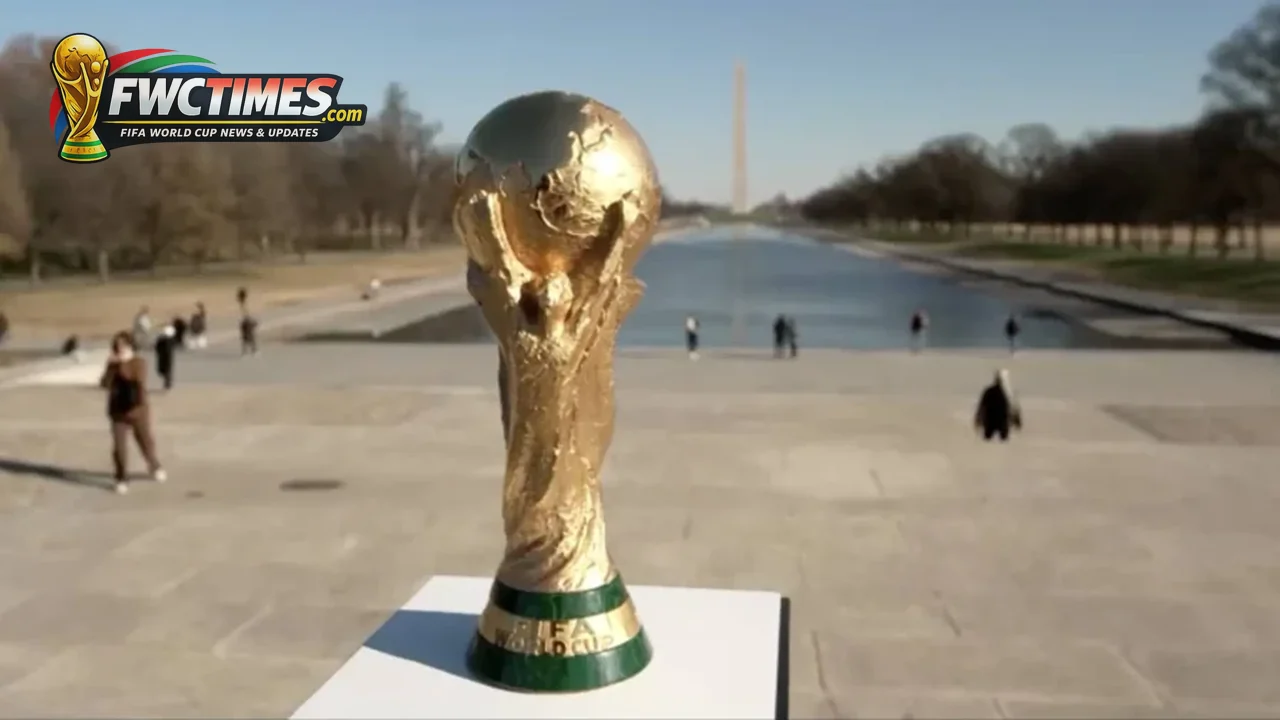
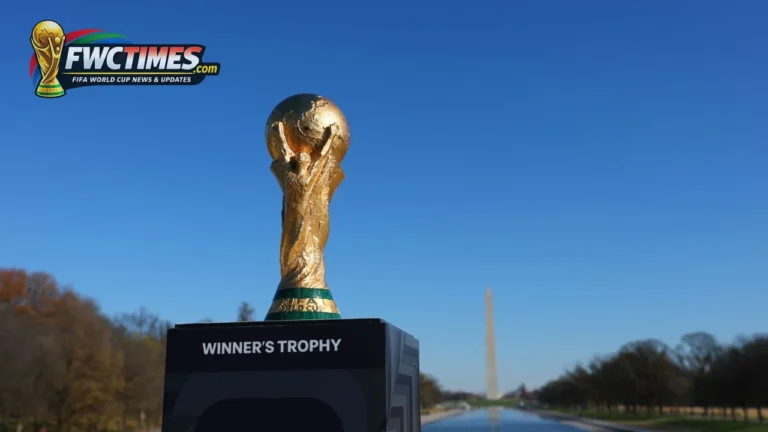
The National Mall in Washington, D.C. will serve as a designated World Cup fan zone during the full tournament. Organizers said the area will operate from June 11 to July 19. The free space will include live match screenings, food, and live music. The decision gives a non-host city a major World Cup fan zone role.
The DC World Cup fan zone matters because the capital will not host matches. The National Mall can still pull fans into a shared tournament setting. Its symbolic location also connects the event with U.S. 250th anniversary programming. That combination makes the fan zone more than a local watch party.
National Mall Gives Fans A Central Gathering Point
The National Mall is one of the most recognizable public spaces in the United States. A tournament-long football zone there can serve residents, visitors, tourists, and international fans moving through Washington. Free access also lowers the barrier for people who cannot buy match tickets. That makes the event useful beyond traditional stadium attendance.

The planned mix of screenings, food, and music follows the familiar fan-festival model. Fans can watch matches together, stay for cultural programming, and use the space as a daytime gathering point. The format works best when organizers manage crowd flow, shade, security, and transport information. Those operational details will decide how comfortable the fan zone feels.
| Fan Zone Detail | Confirmed Information |
|---|---|
| Location | National Mall, Washington, D.C. |
| Dates | June 11 to July 19, 2026 |
| Access | Free designated area |
| Programming | Live match screenings, food, and live music |
| Host City Status | Washington, D.C. is not a match host city |
A Non-Host City Can Still Shape The Tournament
The move shows how the tournament footprint reaches beyond the 16 match host cities. Official and semi-official gathering spaces can bring the World Cup into cities without stadium fixtures. That matters for World Cup 2026 in the United States because the country is too large for match venues alone to carry the fan experience. Public viewing spaces can spread the event across more communities.
The fan zone also creates a planning question for visitors. Fans should check entry rules, bag policies, public transport options, and weather guidance before attending. Free events can still reach capacity if a major match draws heavy interest. Families should plan meeting points and arrival times before crowded knockout dates.
The tournament itself runs across the United States, Canada, and Mexico. Washington’s role gives visitors another way to connect with the FIFA World Cup even without a ticket. That matters for tourists already visiting museums, monuments, and anniversary events. The fan zone can turn a normal sightseeing day into a matchday experience.
Security planning will be central because the National Mall regularly hosts large public gatherings. Organizers need clear entrances, crowd movement, medical access, and emergency communication. Fans will also need information on nearby transit and late-night exits. A full-tournament run creates repeated operational pressure, not only one major event.
The fan zone should also help fans without access to premium tickets. World Cup tickets remain expensive or limited for many supporters. A free public screening space gives those fans a legitimate tournament experience. It does not replace the stadium, but it keeps the event visible and communal.
The strongest public zones usually feel local as well as global. Food, music, and cultural programming can give Washington its own football identity during the tournament. If organizers balance entertainment with crowd comfort, the National Mall can become one of the most watched non-stadium spaces of the summer.
The full-tournament schedule also creates different crowd patterns. Opening day, knockout matches, and the final can draw larger public-screening audiences than routine group games. Organizers will need flexible staffing and crowd-control plans for those dates. Fans should expect the biggest gatherings when marquee teams play or elimination games begin.
Weather planning will matter because the space is outdoors. June and July in Washington can bring heat, humidity, and storms. Fans should check daily conditions, bring water where allowed, and plan shade breaks. A free event still needs matchday preparation when people stay for several hours.
Frequently Asked Questions
The National Mall fan zone gives Washington a clear place in the World Cup summer. Fans should track entry rules and transport guidance before using the space on high-demand matchdays.
Read Also: Atlanta Police And Fire Chiefs Detail World Cup Safety Plan