Atlanta Police And Fire Chiefs Detail World Cup Safety Plan

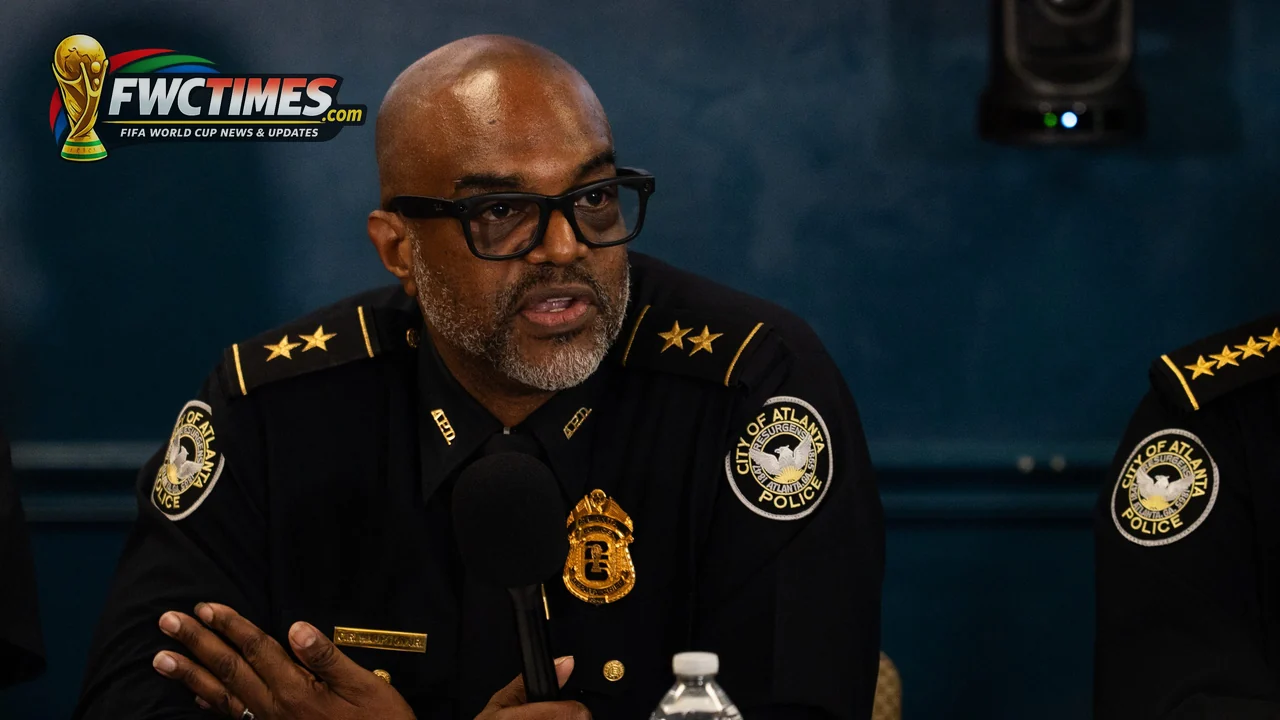
Atlanta police and fire leaders have detailed their World Cup safety plan before the city hosts eight matches. The briefing focused on visitor support, emergency access, language services, and large-event readiness. Officials stressed that people should report suspicious activity rather than wait. The update gives Atlanta World Cup 2026 planning a clearer public-safety layer.
The Atlanta World Cup safety plan matters because the city will receive local fans, international visitors, media, and tournament staff. Large matchdays create pressure beyond the stadium gates. Transport corridors, hotels, entertainment areas, and fan gathering points all need visible coordination. Police and fire officials are now trying to set expectations before crowds arrive.
Language Access Sits Near The Centre Of The Plan
Atlanta police leaders said their department is not focused on immigration enforcement. Their stated priority is law enforcement, emergency response, and public access to help inside city limits. The department also highlighted Spanish-language capacity through certified translators and bilingual officers. That matters because visiting supporters need to know how to ask for help quickly.
Emergency communication will also use language support. Officials pointed to 311 language-line access and 911 interpreter routing for callers speaking another language. Those systems can reduce delays when a visitor cannot explain a problem in English. Clear language access is one of the most practical safety tools during a global event.
| Safety Area | Confirmed Planning Detail |
|---|---|
| Police Access | Residents and visitors can call 911, visit a precinct, or flag an officer |
| Language Support | Certified Spanish translators and other bilingual officers will be deployed |
| Fire Response | Fire officials are preparing for large-event emergency demands |
| Public Message | If you see something, say something |
| Tournament Load | Atlanta is preparing for eight World Cup matches |
Eight Matches Create Citywide Pressure
Atlanta Stadium will be the matchday focal point, but the safety footprint reaches farther. Fans will move through downtown, hotels, transit stops, restaurants, and public events. That makes Atlanta Stadium only one part of the response map. Public-safety teams need to protect matchday movement before and after kickoff.
The eight-match schedule also requires repeat performance. A city can manage one large event with temporary measures, but a tournament window demands stamina. Police, fire, transport teams, and event staff need consistent routines. That is why public briefings matter before the World Cup matches in Atlanta begin.
The visitor message is also about trust. Fans are more likely to report danger when they believe authorities will respond clearly and fairly. Language access, visible officers, and public instructions can reduce confusion. Those details help families and first-time visitors feel less isolated in a crowded city.
The wider World Cup in the United States will test public-safety coordination across 11 U.S. host cities. Atlanta’s approach shows how each city must adapt national tournament expectations to local streets. A football security plan cannot only sit at the venue. It must follow how fans actually move through the city.
Fire response planning carries its own pressure. Heat, crowd density, traffic delays, and medical calls can all rise during major events. Fire officials need access lanes and clear communication with stadium and city teams. Fans can help by following route instructions and avoiding blocked emergency paths.
The strongest safety plans also depend on ordinary fan behavior. Visitors should keep phones charged, know their hotel route, and report problems early. Groups should agree on meeting points before entering crowded areas. These simple habits reduce pressure on emergency services when matchday crowds peak.
The city also has to support visitors who may not know local emergency systems. Clear signs, visible officers, and multilingual instructions can reduce small problems before they become serious. That is especially important around transit stops and entertainment districts. Fans who understand where to go for help are less likely to overload emergency lines.
The public briefing also helps local businesses prepare. Restaurants, hotels, bars, and rideshare zones will see demand around match windows. Staff need to know how to direct visitors and when to call emergency services. A coordinated safety message gives the city a common script before the tournament starts.
Frequently Asked Questions
Atlanta’s safety briefing gives fans a clearer view of how the city wants matchdays to work. The plan now depends on visible execution, language access, and quick reporting when crowds arrive.
Read Also: Zee Talks Put India World Cup Broadcast Race Back In Motion