New Zealand: World Cup 2026 Squad, Fixtures, Standings & Kits


New Zealand arrive at the 2026 FIFA World Cup as the Oceania confederation’s sole representative and one of football’s great overachievers on the world stage. The All Whites carry a reputation built on organisation, defensive resilience, and an unbeaten record from the 2010 tournament that remains their finest hour. Under manager Darren Bazeley, this squad combines experienced European-based professionals with a captain in Chris Wood who has become a reliable goal scorer at the highest level. This page covers the full squad, group stage fixtures, standings, kits, tactics, and everything you need to follow New Zealand at the 2026 World Cup.
New Zealand qualified through the OFC qualifying campaign with a dominant display, winning all six games and conceding just two goals. They are placed in Group B with Belgium, Iran, and Egypt — a group that is demanding but not impossible. Reaching the knockout rounds for the first time would represent the most significant result in New Zealand football history.
Quick Navigation
What should fans know about New Zealand at World Cup 2026?
New Zealand are competing at the 2026 FIFA World Cup in the United States, Mexico, and Canada. They are placed in Group K and are managed by Darren Bazeley. The tournament runs from June 11 to July 19, 2026.
New Zealand World Cup 2026 Squad — Full 26-Man Roster
Darren Bazeley named a 26-man squad for the 2026 FIFA World Cup. The selection blends proven internationals such as Chris Wood and Tim Payne with younger names like Alex Paulsen and Lachlan Bayliss. That balance gives New Zealand tournament experience, athletic range, and fresh depth across the full squad.



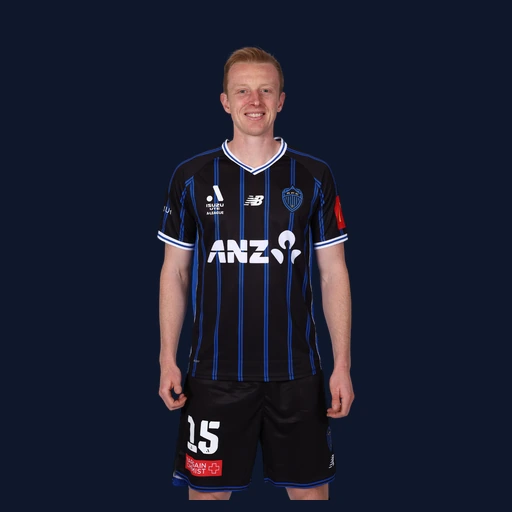



New Zealand Key Players to Watch at World Cup 2026
Chris Wood’s ability to hold the ball up, win aerial duels, and convert chances under pressure makes him the clear number one threat. Behind him, the midfield quality of Elijah Just and Ryan Thomas, combined with the attacking threat of Liberato Cacace from left back, gives New Zealand genuine tools to challenge even the stronger teams in their group.
Chris Wood
Captain · Forward · Nottingham Forest
New Zealand’s record scorer and the focal point of everything they do in attack. Wood’s physical presence, aerial ability, and clinical finishing have made him one of the most feared strikers against lower-ranked opposition. At Nottingham Forest he has consistently performed at Premier League level, and his experience and composure under pressure make him the team’s most important asset at the tournament.
Elijah Just
Midfielder · AS Monaco
The most technically gifted midfielder of his generation for New Zealand. Just arrived in the Ligue 1 spotlight with Monaco and has shown the ability to control tempo, press effectively, and carry the ball into dangerous areas. He is the creative engine that connects the defensive block to Wood’s forward runs and represents the future of New Zealand midfield.
Liberato Cacace
Defender · Empoli
An attacking left-back who combines defensive discipline with the ability to contribute in the final third. At Empoli in Serie A, Cacace has developed into one of the best full-backs New Zealand has produced. His pace, crossing, and willingness to overlap make him a consistent threat from wide areas and a key outlet when New Zealand build attacks from deep.
Alex Paulsen
Goalkeeper · Lechia Gdansk
Paulsen gives New Zealand a younger goalkeeping option with recent A-League and Ekstraklasa minutes. His reflexes, penalty-saving record, and comfort in space add a different profile beside Max Crocombe. The World Cup squad call also shows how quickly he has moved from prospect to real tournament depth.
Ryan Thomas
Midfielder · PSV Eindhoven
A Netherlands-based midfielder who brings European top-flight experience to the New Zealand engine room. Thomas offers work rate, pressing intensity, and the ability to win the ball back quickly in transition. His familiarity with high-tempo pressing football at PSV gives New Zealand a midfield player capable of operating at international level without being exposed by physical sides.
Tim Payne
Defender · Wellington Phoenix
A disciplined right-back who carries 50 senior caps into the 2026 finals. Payne gives New Zealand width, recovery pace, and a reliable final ball from the flank after another steady Wellington Phoenix campaign.
New Zealand Tactics and Playing Style
Darren Bazeley organises New Zealand in a compact 4-4-2 or 4-5-1 shape that prioritises defensive solidity and transitions. The team defends in a mid-to-low block, compressing space between the lines and making themselves difficult to play through. Against physically strong opponents like Belgium, this organised defensive structure is their primary weapon — frustrating opponents and waiting for set-piece or transition opportunities.
Chris Wood leads the line alone in the 4-5-1 shape, with Sarpreet Singh or Kosta Barbarouses providing support from the right side. Liberato Cacace’s willingness to push forward from left back is the main source of width and crossing threat, while the three central midfielders — typically Thomas, Just, and Bell — work as a pressing unit and provide defensive cover to the back four. Quick, vertical transitions after winning possession are a key feature of the team’s attacking game plan.
New Zealand’s record of 26 goals scored and just two conceded in OFC qualifying reflects both the quality gap against Oceanian opposition and the defensive discipline Bazeley has instilled. The group stage against European and African opponents will test whether that organisation translates to the world stage. Set pieces — both offensive and defensive — are a significant area of focus and represent one of New Zealand’s best routes to scoring against stronger opponents.
New Zealand World Cup 2026 Fixtures — Group B
Matchday viewing routes are covered in the where to watch New Zealand football guide before kickoff.
New Zealand match times can be checked with the New Zealand FIFA World Cup 2026 TV schedule as broadcaster listings and kickoff windows settle.
New Zealand open against Iran in Los Angeles — a winnable game on paper that could set the tone for the group. The back-to-back matches in Vancouver against Egypt and then Belgium will determine how far the All Whites progress. The full group stage schedule is confirmed and standings will update as results come in.
New Zealand FIFA World Cup 2026 — Group B Standings
New Zealand are drawn in Group B alongside Belgium, Iran, and Egypt. The top two teams advance to the Round of 32. Group B standings will update live once matches begin on 15 June 2026.
| # Team | MP | W | D | L | GF | GA | GD | Pts |
|---|---|---|---|---|---|---|---|---|
 Belgium Belgium | 0 | 0 | 0 | 0 | 0 | 0 | 0 | 0 |
 Iran Iran | 0 | 0 | 0 | 0 | 0 | 0 | 0 | 0 |
 Egypt Egypt | 0 | 0 | 0 | 0 | 0 | 0 | 0 | 0 |
| New Zealand | 0 | 0 | 0 | 0 | 0 | 0 | 0 | 0 |
New Zealand OFC World Cup Qualifying — Final Standings
New Zealand won the OFC qualifying process with a perfect record — six wins from six, 26 goals scored, and only two conceded. Their dominant performance in the Oceanian qualifying round left no doubt about who would represent the confederation at the 2026 finals in the United States, Canada, and Mexico.
| Team | P | W | D | L | GF | GA | GD | Pts |
|---|---|---|---|---|---|---|---|---|
| New Zealand | 6 | 6 | 0 | 0 | 26 | 2 | +24 | 18 |
| Tahiti | 6 | 3 | 1 | 2 | 11 | 9 | +2 | 10 |
| Solomon Islands | 6 | 2 | 1 | 3 | 9 | 12 | −3 | 7 |
| Fiji | 6 | 1 | 0 | 5 | 5 | 18 | −13 | 3 |
New Zealand Kits for World Cup 2026
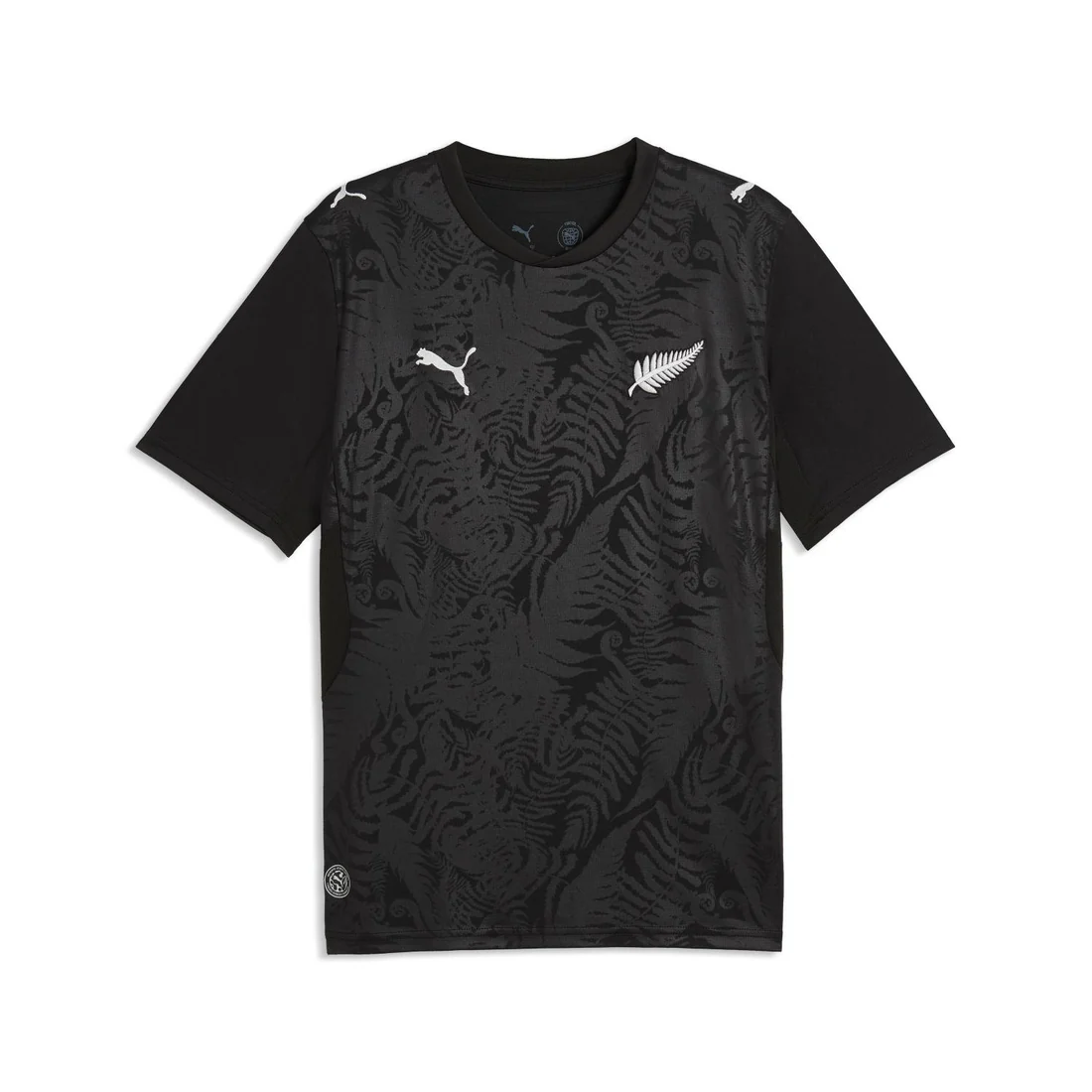
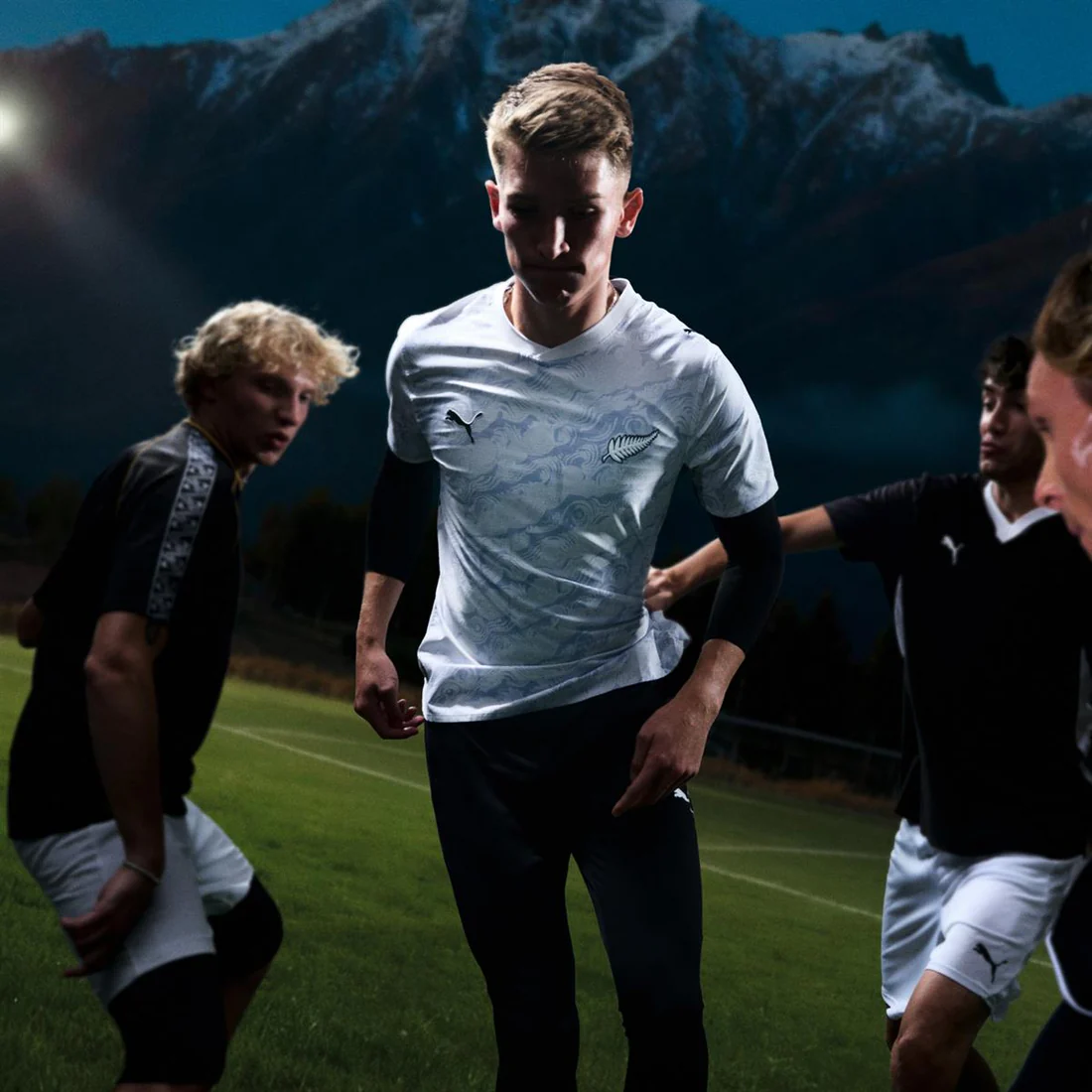
New Zealand’s 2026 World Cup kits are produced by Nike. The home kit continues the iconic all-white design that gave the team its All Whites nickname, updated with modern performance fabric and a subtle silver fern motif. The away kit features a bold black colourway — a nod to the All Blacks rugby tradition that permeates New Zealand sporting culture. Both kits include the New Zealand Football crest and the silver fern emblem.
New Zealand World Cup History
New Zealand have qualified for the FIFA World Cup four times — 1982, 2010, and 2026. Their debut in Spain in 1982 ended in three defeats in the group stage, including a 5-2 loss to Scotland and a 3-0 defeat to the Soviet Union. It was a difficult introduction to international football at the highest level, but it established New Zealand’s presence in the global game and gave OFC football credibility on the world stage.
The 2010 World Cup in South Africa remains the All Whites’ finest hour. Drawn in a group with Slovakia, Italy, and Paraguay, New Zealand drew all three games — 1-1 against Slovakia, 1-1 against Italy, and 0-0 against Paraguay — and became the only team at the 2010 tournament to go unbeaten throughout the group stage without advancing. The result against Italy, achieved with a late equaliser by Winston Reid, remains one of the most celebrated moments in New Zealand football history.
The 2026 World Cup represents New Zealand’s third appearance, and the squad is arguably the strongest the country has ever assembled for a major tournament. With Chris Wood’s Premier League quality leading the attack, a spine of European-based professionals in midfield and defence, and a group stage draw that includes a winnable game against Iran, New Zealand have a genuine chance to reach the knockout stage for the first time and write a new chapter in their World Cup story.
Frequently Asked Questions
Who is New Zealand’s captain at the 2026 World Cup?
Which group is New Zealand in at the 2026 World Cup?
How did New Zealand qualify for the 2026 World Cup?
Has New Zealand ever reached the knockout stage at a World Cup?
Who manages New Zealand at the 2026 World Cup?
What is New Zealand’s nickname?
Where does New Zealand play their 2026 World Cup group games?
Related Pages
- Belgium World Cup 2026 Squad
- Iran World Cup 2026 Squad
- Egypt World Cup 2026 Squad
- FIFA World Cup 2026 Groups
- South Korea World Cup 2026 Squad