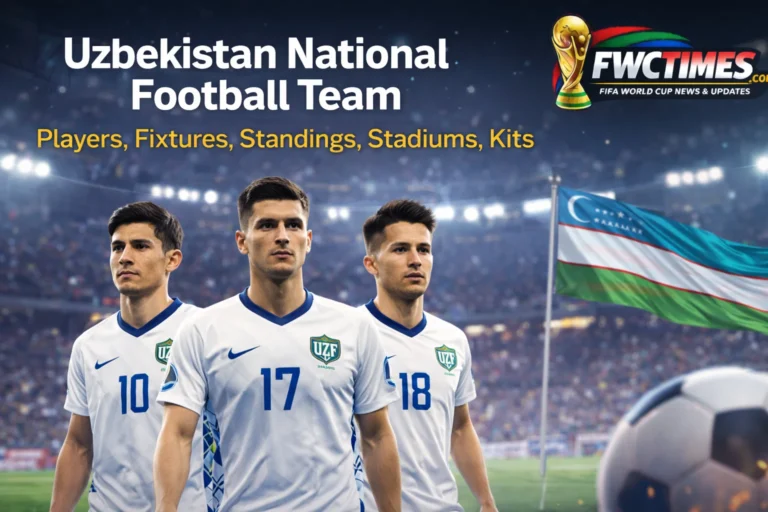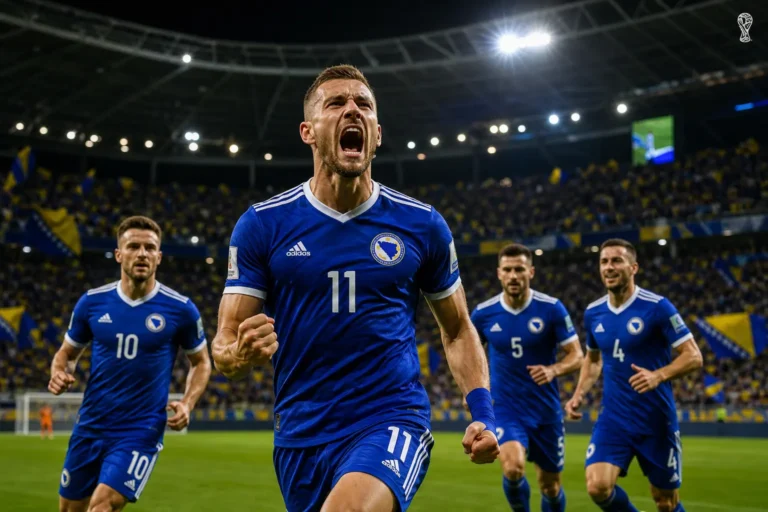
Japan: World Cup 2026 Squad, Fixtures, Standings & Kits

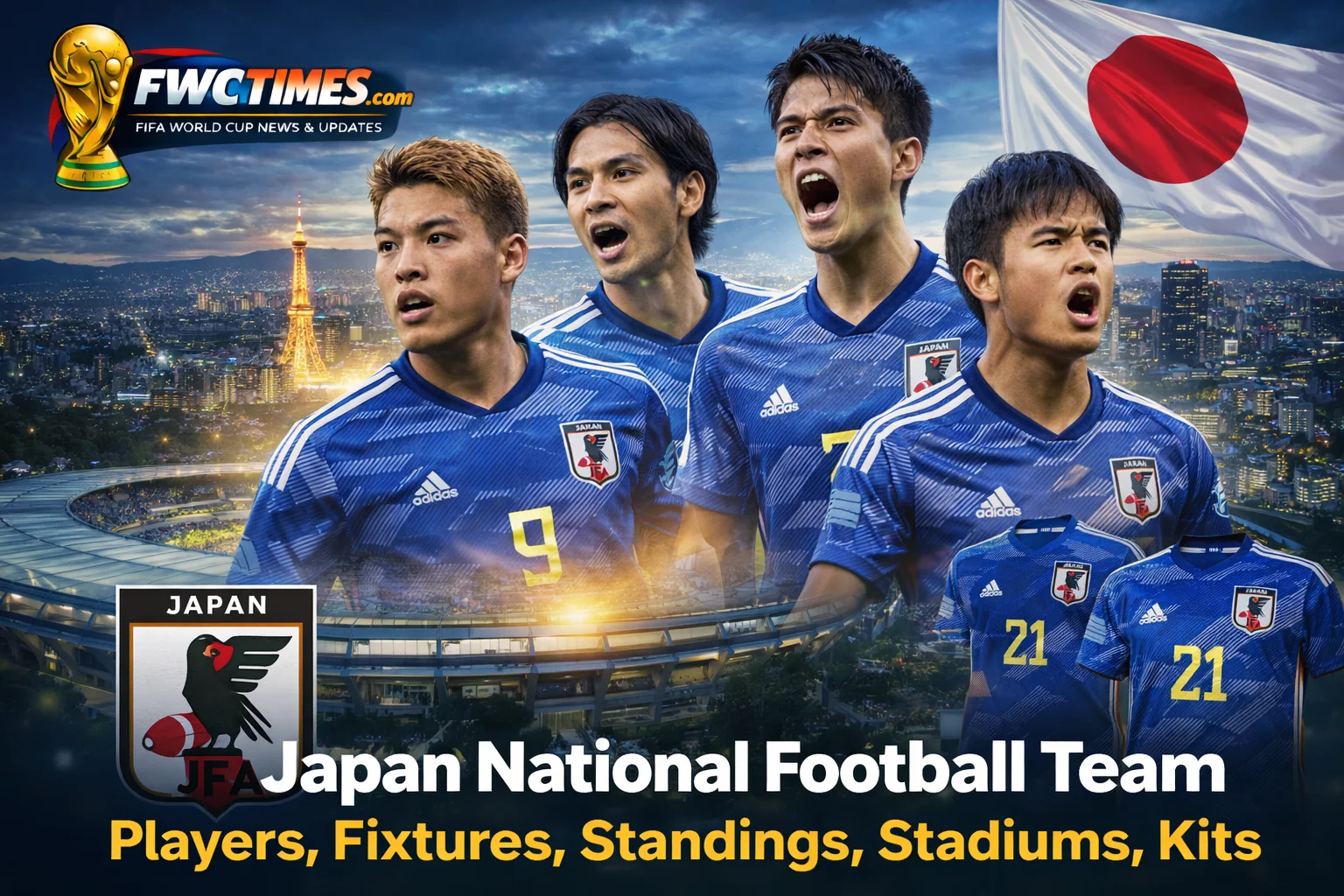
Japan arrive at the 2026 FIFA World Cup as one of Asia’s most complete national teams in modern history. Under Hajime Moriyasu, the Samurai Blue have spent four years building a squad that combines European club experience with Japan’s traditional virtues of discipline, speed, and technical precision. Fifteen of the 26 players called up are based at clubs in Europe’s top leagues, the highest proportion in Japanese football history.
Japan became the first non-host nation to qualify for the 2026 tournament, sealing their place with a 2-0 win over Bahrain at Saitama Stadium. That early qualification gave Moriyasu a full year of preparation — extended friendlies, squad rotation experiments, and tactical refinement that most other teams could not afford. The result is a 26-man group that looks deeper, more balanced, and more confident than the Qatar 2022 cycle that produced famous wins over Germany and Spain.
The key absence is Kaoru Mitoma. The Brighton winger suffered a serious hamstring injury in the weeks before the squad announcement and was ruled out entirely. His loss removes one of the world’s most dangerous one-versus-one attackers from Japan’s left flank. The task of replacing his direct contribution falls primarily on Takefusa Kubo, Ritsu Doan, and Junya Ito — each capable, but none quite the same threat. Japan’s tactical response to that gap will be one of the defining questions of the group stage.
Quick Navigation
What should fans know about Japan at World Cup 2026?
Japan are competing at the 2026 FIFA World Cup in the United States, Mexico, and Canada. They are placed in Group B and are managed by Hajime Moriyasu. The tournament runs from June 11 to July 19, 2026.
Japan World Cup 2026 Squad — Full 26-Man Roster
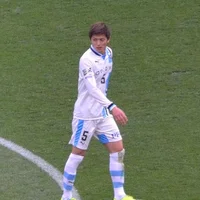
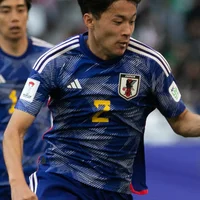
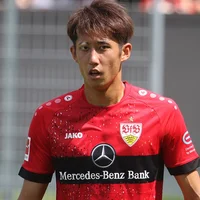
Moriyasu confirmed his final squad in May 2026. The selection rewards consistency and form across the qualifying cycle rather than reputation alone. Several veterans remain in the group — Yuto Nagatomo is the clearest example — while younger players like Ao Tanaka, Reo Hatate, and Keito Nakamura have earned their places through sustained performances at European clubs.
Goalkeepers


Defenders


Midfielders



Forwards


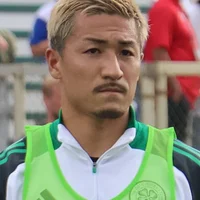

Japan Key Players to Watch at World Cup 2026
With Mitoma absent, Japan’s attacking threat is distributed across the squad rather than concentrated in one player. Several individuals carry specific responsibilities that will define how far the Samurai Blue travel in the tournament.
Takefusa Kubo
Attacking Midfielder · Real Sociedad
Japan’s most creative player and now the primary attacking focal point following Mitoma’s withdrawal. Kubo operates between the lines, beats defenders in tight spaces, and produces decisive moments in big matches. Opponents at this World Cup will design their defensive plans around stopping him, which creates space for the players around him to exploit.
Wataru Endo
Defensive Midfielder · Liverpool
The heartbeat of Japan’s midfield and the team’s most experienced international leader. Endo manages the tempo, reads attacking patterns before they develop, and covers defensive space intelligently. His positioning allows Japan’s full-backs to push forward with confidence. When Endo is off his best, Japan’s structure deteriorates quickly — his influence is that significant.
Ayase Ueda
Striker · Bournemouth
Japan’s most reliable goalscorer and the player Moriyasu will likely start in every group game. Ueda scored consistently in the Premier League and brings pressing intensity, sharp movement, and clinical finishing to the role. He is not a typical Japanese centre-forward — he works hard off the ball and creates space for the midfielders arriving late into the area.
Ko Itakura
Centre-Back · Borussia M’gladbach
Japan’s defensive captain and organiser. Itakura reads the game early, wins aerial duels, and plays out from the back with composure under pressure. He represents Japan’s defensive identity — technical, structured, and aggressive when needed. His partnership with Koki Machida will be central to how Japan handle physical strikers and aerial threats in the group stage.
Kyogo Furuhashi
Forward · Celtic
An option to start or impact from the bench. Furuhashi offers a different profile to Ueda — he is smaller, quicker, and more likely to drop into pockets and combine. His movement disrupts defensive lines and creates confusion for centre-backs used to marking a more traditional striker. In tight group games, his impact off the bench can change outcomes.
Zion Suzuki
Goalkeeper · Parma
Japan’s undisputed first-choice goalkeeper and one of the best young keepers in Asia. Suzuki has matured significantly through his time at Parma in Serie A — handling high-pressure moments, commanding his area, and distributing calmly under pressure. His development mirrors Japan’s overall growth: technically sound, composed, and ready for the biggest stage.
Japan AFC World Cup Qualifying — Final Standings
Japan qualified through the AFC Third Round of qualifying — the final stage for Asian teams before the World Cup. They won their group convincingly, finishing top with the best record in Asia. Japan were the first team in the entire world to book their place at the 2026 tournament, making the announcement at Saitama Stadium after a 2-0 win over Bahrain.
| Team | P | W | D | L | GF | GA | GD | Pts | Status |
|---|---|---|---|---|---|---|---|---|---|
| Japan | 18 | 14 | 3 | 1 | 50 | 8 | +42 | 45 | Qualified ✓ |
| Australia | 18 | 11 | 3 | 4 | 36 | 18 | +18 | 36 | Qualified ✓ |
| Saudi Arabia | 18 | 9 | 2 | 7 | 28 | 22 | +6 | 29 | Qualified ✓ |
| South Korea | 18 | 8 | 4 | 6 | 30 | 24 | +6 | 28 | Qualified ✓ |
| Iran | 18 | 7 | 4 | 7 | 23 | 25 | −2 | 25 | Qualified ✓ |
| Iraq | 18 | 6 | 4 | 8 | 20 | 25 | −5 | 22 | Playoff |
Japan’s 50 goals scored during qualification was the highest total of any AFC team. They conceded just 8 goals across 18 matches — a defensive record that reflects Moriyasu’s emphasis on structure and organisation. The 14 wins included results against every major Asian side, giving Japan match practice against physical opponents, possession-based teams, and low-block defensive setups.
Japan Tactics and Playing Style Under Moriyasu
Moriyasu’s Japan are built around three consistent principles: high press, fast transition, and positional flexibility. The team sets up to win the ball in the opponent’s half. When they press successfully, they attack immediately — using pace on the channels and direct passes to exploit the space before defenders recover. This approach requires constant energy and coordination, which is why squad depth matters so much in a tournament environment.
Defensively, Moriyasu uses either a back three or a back four depending on the opponent’s threat profile. Against wide teams with dangerous wingers, a back three offers extra cover. Against teams that play through the middle, a flat back four allows Japan’s full-backs to push into midfield zones and create numerical superiority further up the pitch.
Wataru Endo is central to both shapes. In the back four, he drops between the centre-backs in the build-up to create a three-versus-two advantage against a high press. In the back three system, he acts as the single pivot who dictates the tempo and covers the space when the wing-backs advance. Both systems require his reading of the game to function properly.
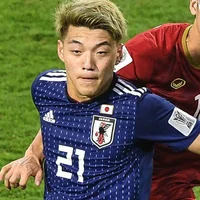
Without Mitoma, the left channel becomes a tactical question Moriyasu must answer early. Ritsu Doan can play left, offering a different style — more direct running and shooting from distance. Junya Ito provides width on either flank. Keito Nakamura has shown the ability to combine through tight spaces and run in behind. Japan may rotate these three across games depending on the opponent, which also prevents teams from building a single defensive plan to stop the left side.
Japan World Cup 2026 Fixtures — Group F
Matchday viewing routes are covered in the where to watch Japan football guide before kickoff.
Japan open Group F against the Netherlands in Dallas before facing Tunisia in Monterrey and Sweden back in Dallas. The match order gives Japan a fast technical test, then two fixtures where squad depth and travel rhythm matter. The Japan FIFA World Cup 2026 TV schedule converts every fixture into JST and connects the matches with DAZN, NHK, Nippon TV, and Fuji TV coverage.
Japan FIFA World Cup 2026 — Group F Standings
Japan are placed in Group F of the 2026 FIFA World Cup alongside the Netherlands, Tunisia, and the UEFA Playoff B Winner. The group stage kicks off on 14 June 2026. The top two teams from each group advance to the Round of 32.
| # Team | MP | W | D | L | GF | GA | GD | Pts |
|---|---|---|---|---|---|---|---|---|
| Japan | 0 | 0 | 0 | 0 | 0 | 0 | 0 | 0 |
 Netherlands Netherlands | 0 | 0 | 0 | 0 | 0 | 0 | 0 | 0 |
 Tunisia Tunisia | 0 | 0 | 0 | 0 | 0 | 0 | 0 | 0 |
| UEFA Playoff B Winner | 0 | 0 | 0 | 0 | 0 | 0 | 0 | 0 |
Japan open their 2026 campaign against the Netherlands on 14 June at AT&T Stadium in Arlington, Texas — a fixture that is widely expected to decide the group’s top spot. The second game against Tunisia on 21 June offers a more favourable draw on paper, but Japan will approach it with full intensity regardless. The full group stage schedule and live results will be tracked here as the tournament progresses.
Japan Kits for World Cup 2026
Japan’s 2026 World Cup kits are produced by Adidas in partnership with Y-3 — the Japanese-German design label founded by Yohji Yamamoto. The collaboration gives the kits a design identity that sits between elite athletic performance and high-end fashion, which suits Japan’s position as one of the most followed national teams in Asia.
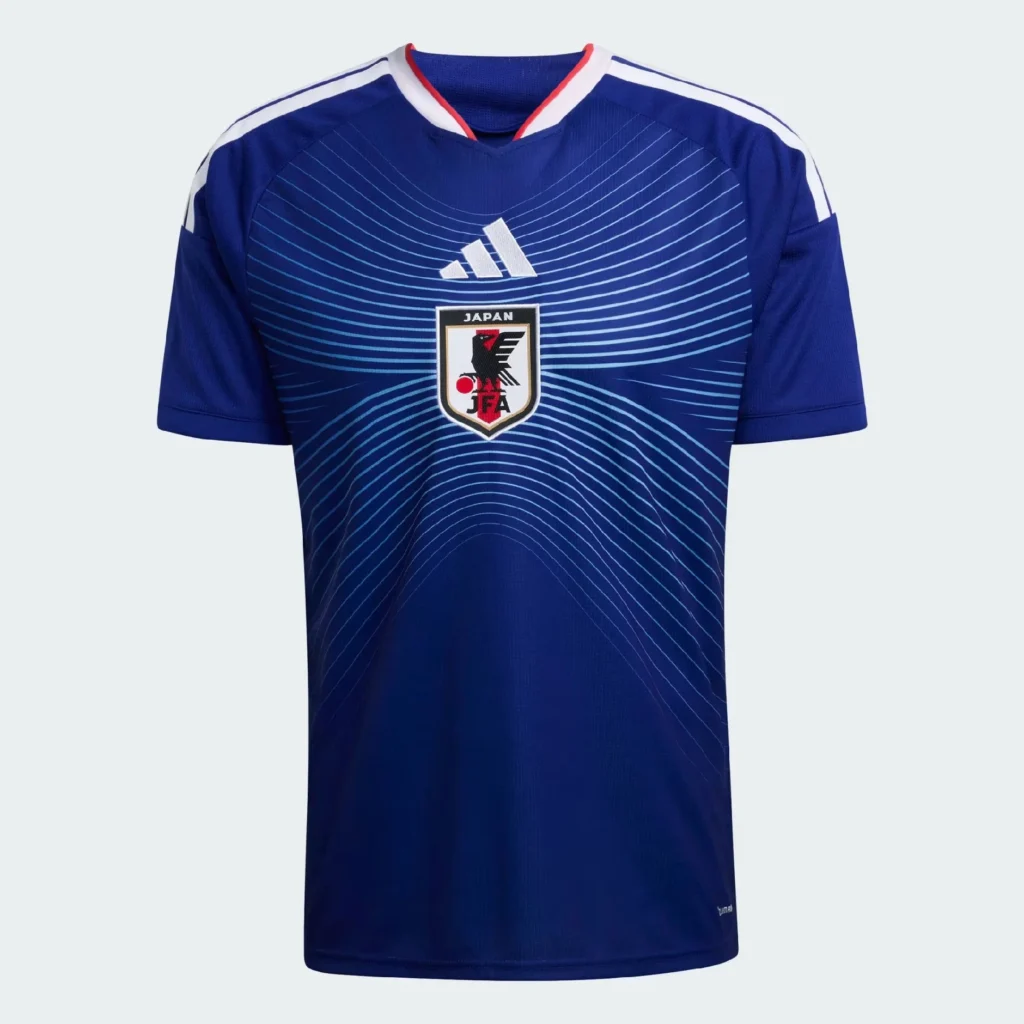
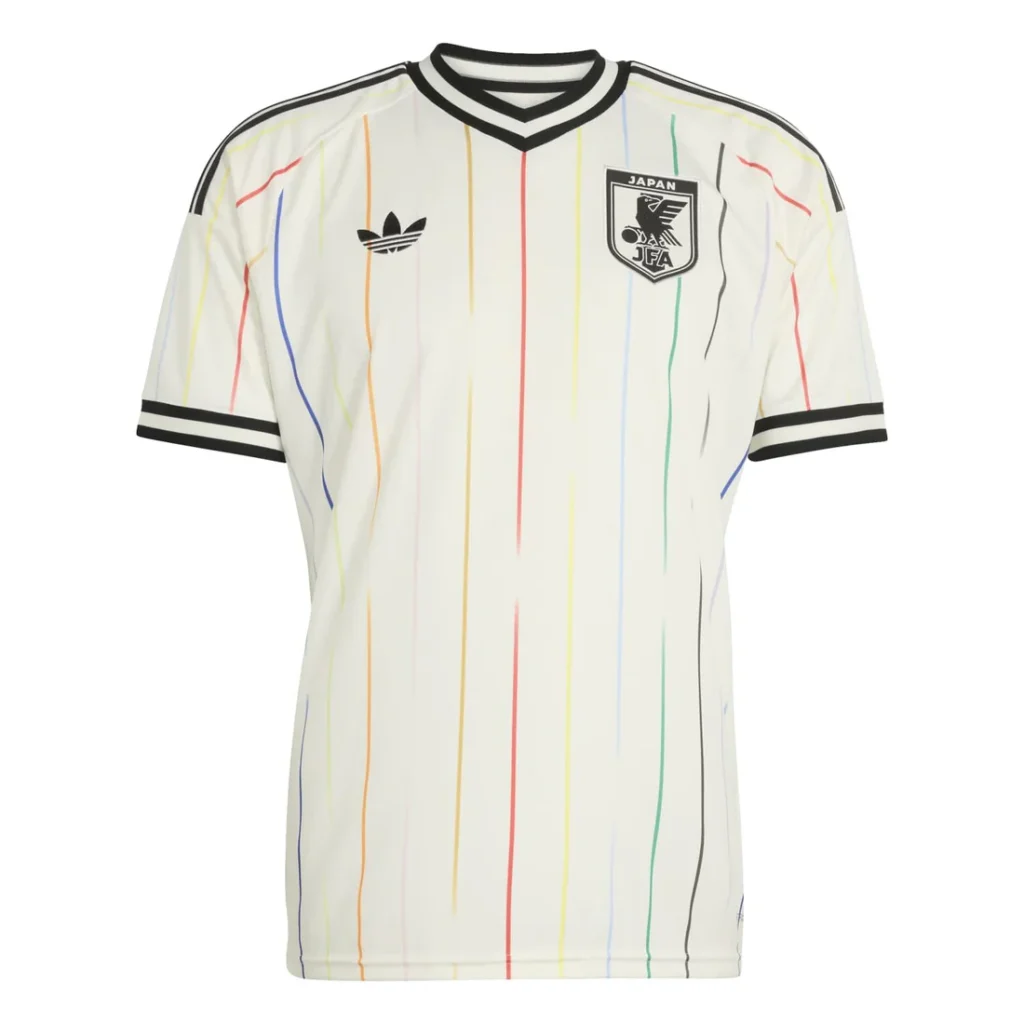
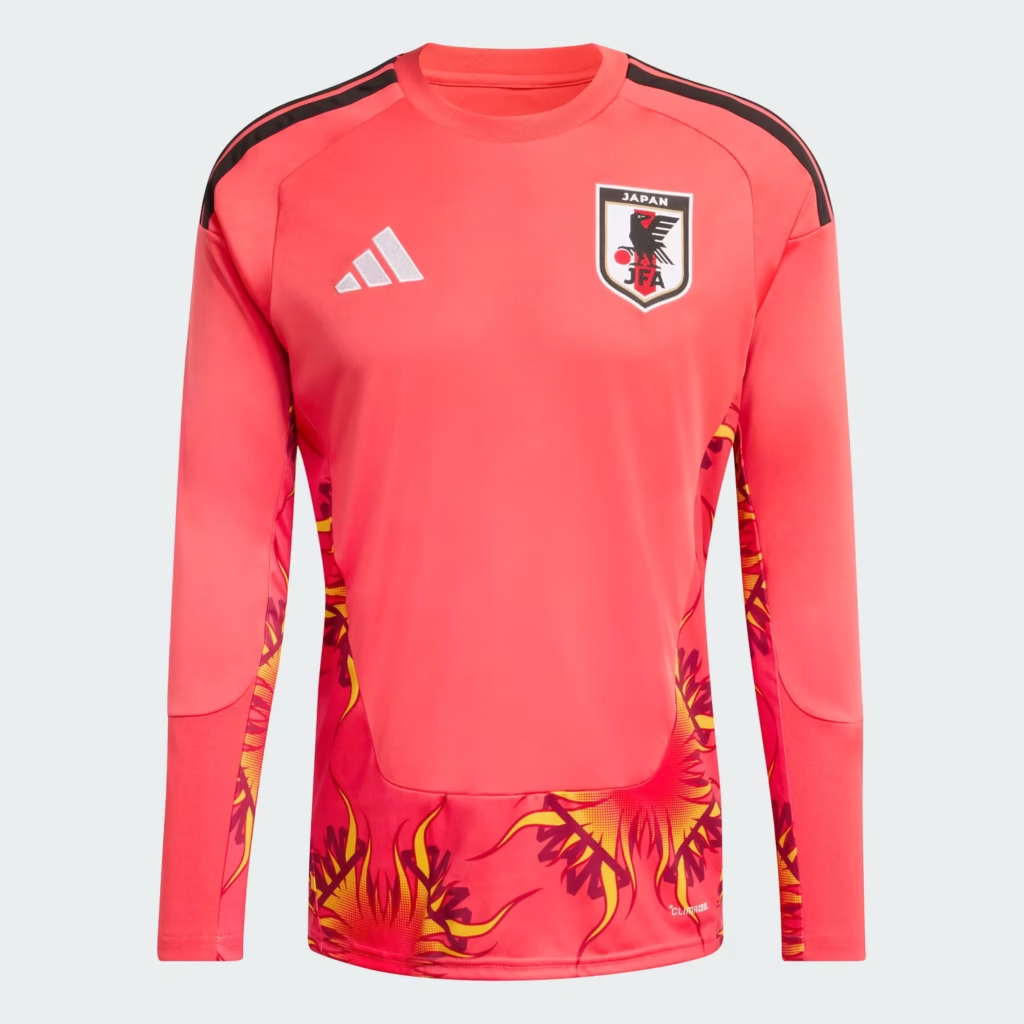
The home kit stays true to Japan Blue — the deep navy that has defined the Samurai Blue’s identity since the 1990s. The design incorporates graphic flame patterns inspired by speed and fighting spirit. The away kit uses a white base with red and blue detail that references the Japanese flag directly. Both received immediate positive reactions when released, with strong demand from fans across Japan, Europe, and North America.
Japan World Cup History
Japan have qualified for every FIFA World Cup since 1998 — seven consecutive appearances. That consistency puts them among the most reliable qualifiers outside of Europe and South America. No other Asian team has matched Japan’s run of continuous World Cup participation over the same period.
The 2002 tournament on home soil remains Japan’s clearest breakthrough moment. As co-hosts with South Korea, they reached the Round of 16 for the first time — beating Russia, drawing with Belgium, and topping their group. That squad, built around Hidetoshi Nakata and Shunsuke Nakamura, set the template for what modern Japanese football could look like.
Twenty years later, Qatar 2022 produced Japan’s most extraordinary single tournament. They beat Germany 2-1 from 1-0 down in their opening match, then defeated Spain 2-1 to top Group E ahead of two of Europe’s most decorated football nations. The performances caught global attention and confirmed Japan as a serious contender rather than a competent qualifier. Croatia ended the run in the Round of 16 on penalties, but the template was established. The 2026 cycle began with that standard as the baseline.
Frequently Asked Questions
Who is Japan’s coach at the 2026 World Cup?
Hajime Moriyasu has managed Japan since 2018. He led the team through the 2022 World Cup in Qatar — where Japan beat Germany and Spain in the group stage — and guided qualification for 2026. He confirmed the final 26-man squad in May 2026, with the early qualification window giving him extended preparation time compared to most nations.
Why did Kaoru Mitoma miss the squad?
Kaoru Mitoma suffered a serious hamstring injury before the squad announcement that required a rehabilitation period extending beyond the tournament dates. The decision to leave him out was a precautionary measure to protect his long-term fitness rather than risk permanent damage. His absence removes Japan’s most direct one-versus-one threat on the left flank and forces Moriyasu to redistribute attacking responsibility.
Who are Japan’s best players at the 2026 World Cup?
Takefusa Kubo (Real Sociedad) is the creative leader and Japan’s most dangerous attacker. Wataru Endo (Liverpool) controls the midfield and provides defensive cover. Ayase Ueda (Bournemouth) leads the attack with consistent goalscoring. Ko Itakura (Borussia M’gladbach) organises the defence. All four are playing at top European clubs and arrive at the tournament in strong club form.
What group is Japan in at the 2026 World Cup?
Japan are in Group F with the Netherlands, Tunisia, and the UEFA Playoff B Winner. Their opening match against the Netherlands on June 14 at AT&T Stadium in Arlington is their biggest group stage challenge. Japan will need at least a point from that match to maintain a comfortable path to the knockout rounds.
How did Japan qualify for the 2026 World Cup?
Japan topped their AFC qualifying group with 14 wins from 18 matches, 50 goals scored, and just 8 conceded. They were the first non-host nation in the world to confirm qualification — sealing their place with a 2-0 win over Bahrain at Saitama Stadium in 2024. The early qualification gave Moriyasu additional preparation time that most other teams did not have.
Who makes Japan’s 2026 World Cup kit?
Adidas produces Japan’s kits in collaboration with Y-3, the fashion label co-created by Yohji Yamamoto. The partnership produces kits that blend athletic performance with a high-end design identity. The home kit uses Japan Blue with flame-inspired graphics. The away kit is white with red and blue detail drawn from the national flag.
What is Japan’s best result at the World Cup?
Japan’s best result was reaching the Round of 16 on three occasions — in 2002 (co-hosts), 2010, and 2022. The Qatar 2022 campaign is widely seen as their most impressive tournament despite ending at the same stage, as they beat Germany and Spain in the group phase before losing to Croatia on penalties.