Heat Safety Letter Puts FIFA Under Player Welfare Pressure

Player-welfare experts have pushed FIFA World Cup 2026 heat safety into focus before the tournament begins across North America. Their open letter warns that high heat and humidity can put elite footballers at risk during summer matches. The concern centers on wet-bulb globe temperature, a heat-stress measure used in sport and workplace safety.
FIFA has already planned mandatory three-minute hydration breaks in each half, but the debate now asks whether that step goes far enough. Outdoor venues, fan queues, and travel corridors can create pressure before and after matches. Fans using World Cup tickets need practical heat planning before choosing travel windows and kickoff days.
The Warning Targets Match Conditions
The argument focuses on more than air temperature. Wet-bulb globe temperature includes humidity, sunlight, wind, and radiant heat, so it gives a fuller safety picture. Two cities with the same forecast can create different levels of strain for players and spectators.
Football offers fewer natural pauses than many summer sports. Heat stress can reduce sprint output, slow recovery, and increase medical risk late in halves. A 104-match tournament leaves less margin for improvised decisions if conditions turn difficult.
The timing also gives editors, fans, and travel planners a cleaner way to separate confirmed facts from noise. Tournament preparation moves quickly in the final weeks, so each verified detail changes how people plan matchdays. The important point for readers is not hype; it is knowing which decision affects tickets, viewing, travel, or squad readiness. That is why this story deserves a deeper update now. The final month before kickoff leaves little room for vague assumptions, because supporters need confirmed information they can use. A stronger article should explain what changed, what remains pending, and what readers should monitor next before making travel, viewing, or matchday decisions safely.
| Key Issue | Verified Point |
|---|---|
| Main Risk | Heat stress during June-July matches |
| Measurement | Wet-bulb globe temperature |
| Current Step | Mandatory hydration breaks in each half |
| Main Concern | Cooling and postponement triggers |
| Affected Groups | Players, staff, officials, and fans |
Host Cities Need Visible Heat Plans
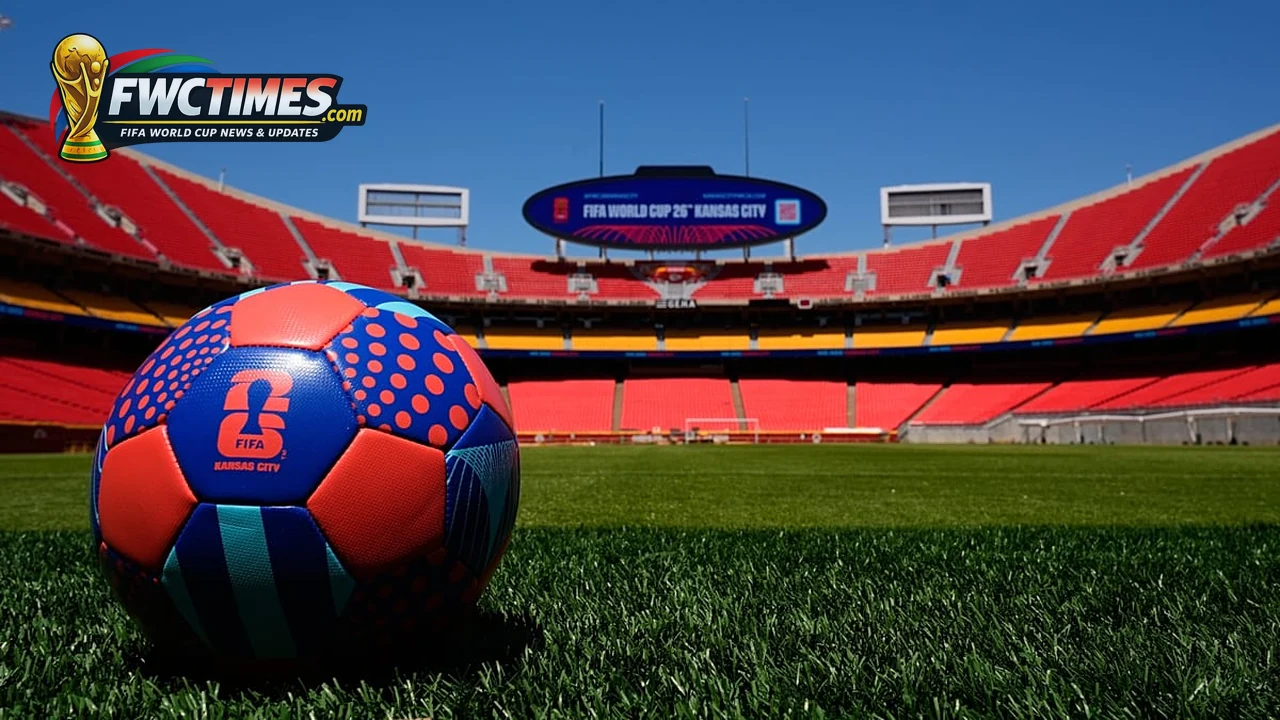
Some stadiums have roof or climate-control advantages, while others depend more on kickoff time and local weather. The strongest response would join medical thresholds with shade, water, cooling areas, and clear crowd guidance. Host planning across World Cup host cities now has to show fans exactly how heat will be handled.
The issue belongs in FIFA World Cup news because it affects performance and matchday safety together. Heat may not decide every match, but it can shape substitutions, pressing intensity, and fan movement. Broadcast viewers may see slower games if conditions force teams to manage tempo earlier.
The next step is practical verification rather than speculation. Fans should watch for confirmed schedules, official access details, final squads, and venue instructions as they are released. Any missing item should remain marked as unconfirmed until a responsible body publishes it. FWCTimes will keep the focus on details that help readers act, not reused tournament chatter. The safest publishing route is to keep unsupported claims out, explain the verified timeline, and connect each update to the fan decision it changes most. That approach keeps the article useful for search readers, mobile visitors, and supporters making quick plans before kickoff and during tournament week.
Frequently Asked Questions
Tournament heat planning now moves from medical theory into daily match operations across host cities.
Use FWCTimes.com for the latest FIFA World Cup 2026 updates.
Read Also: South Africa Sets Nicaragua Send-Off Before Mexico Opener