Hyundai Security Spot Robots Enter World Cup 2026 Operations

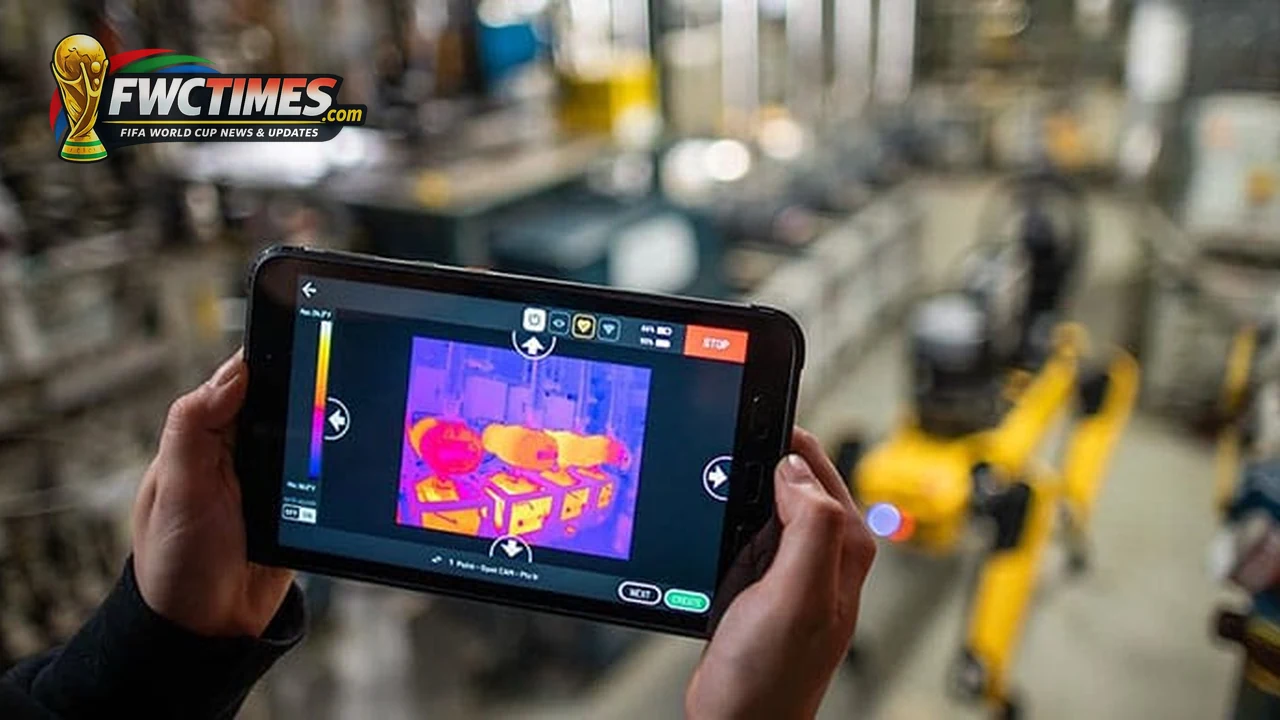
Hyundai has detailed a FIFA World Cup 2026 mobility and security plan that includes Boston Dynamics four-legged patrol robots. The company says Security Spot will support on-site security operations during the tournament. The update connects sponsor logistics, robotics, and host-city operations around FIFA World Cup 2026.
The story has drawn attention in North Texas because Dallas Stadium will stage several major matches. Robot-assisted patrols may help event teams cover large venues, parking areas, and restricted zones. They also raise fan questions about privacy, visibility, and how security technology will feel on matchday.
Security Spot Adds Robotics To Tournament Operations
Hyundai has been a FIFA partner since 1999, and its 2026 plan goes beyond cars and buses. The company describes its tournament support as its largest and most advanced mobility fleet to date. Security Spot becomes the clearest new technology layer in that wider plan.
The robot comes from Boston Dynamics, a Hyundai-owned robotics company. It is designed as a four-legged patrol platform that can move through complex spaces. At tournament sites, that kind of tool can support monitoring and operational awareness.
The company says it is the first official partner to provide robotics for the tournament. That claim makes the deployment more than a sponsor showcase. It places robotics inside the practical security conversation for a 48-team World Cup.
Large venues need layered operations because crowd routes, credentials, service roads, and broadcast areas all move at once. Robots cannot replace trained security staff. They can extend what teams see and where they can check during busy windows.
Why Dallas Is Watching The Security Plan Closely
Dallas will carry one of the largest venue loads in the United States. The AT&T Stadium World Cup venue is built for scale, yet World Cup rules create different zones than regular NFL events. Security teams must handle global media, neutral fans, team delegations, and FIFA-controlled spaces.
The local reaction has focused on whether robot patrols improve safety or feel intrusive. That question will follow the technology into other host cities. Fans will want clear rules on what the robots do, where they operate, and how data is handled.
Security Spot may be most useful in controlled areas rather than dense supporter queues. Service corridors, perimeter checks, parking approaches, and after-hours sweeps could fit its design. Crowded concourses still need human judgment and visible staff communication.
The tournament also brings a branding challenge. Technology should support the matchday experience without becoming the story for fans. Clear signage and calm deployment can reduce confusion when supporters see unfamiliar equipment.
| Operational Area | Likely Use | Fan Question |
|---|---|---|
| Venue perimeter | Patrol support and visual checks | Where will robots operate? |
| Restricted zones | Credential-area monitoring | How will access rules be explained? |
| Service routes | Support for security staff movement | Will operations affect entry times? |
| Large stadium sites | Extra coverage across wide areas | What data will be collected? |
Sponsor Technology Now Meets Fan Trust
World Cup sponsors often appear through signage, vehicles, and broadcast inventory. Hyundai is pushing a more operational role with mobility and robotics. That shift makes the sponsor presence more visible inside tournament delivery.
Fans may accept the technology if it clearly improves safety and movement. They may push back if it feels unexplained or excessive. The difference will depend on communication before the first major crowd arrives.
Host cities should prepare simple public language around robotic patrols. Supporters do not need engineering detail. They need to know the purpose, the locations, and the human support behind the system.
The bigger point is operational pressure. A 104-match World Cup needs more coverage, more transport assets, and more security coordination than any previous edition. Robotics will now be part of that conversation in 2026.
The best deployment will feel boring to supporters. If the technology works well, it should reduce blind spots without slowing entry or drawing attention away from the match.
Frequently Asked Questions
Hyundai robotics plan gives World Cup security a new public-facing layer, and host cities now need clear fan communication around it.
Read Also: LEGOLAND California Adds FIFA World Cup 2026 Family Experience