Toronto World Cup 2026 Transport Plan Carries $940M Forecast

Toronto World Cup 2026 transport planning now carries a clearer money figure, with the Greater Toronto Area forecast at up to $940 million in positive economic output. The city expects Toronto World Cup matches to pull stadium crowds, fan festival visitors, and daily commuters into the same downtown corridor. The new numbers put pressure on transit, crowd flow, and local business planning because six tournament dates can reshape normal movement across Exhibition Place.
The estimate gives FIFA World Cup 2026 readers a practical way to judge Toronto beyond match fixtures. City planning now connects the stadium, Fort York, The Bentway, local hiring, and visitor spending into one operational test. Fans should read the $940 million figure as an upside target, not a guarantee.
Toronto Ties $940 Million Forecast To Matchday Movement
The Greater Toronto Area forecast includes $520 million in GDP growth, $340 million in labour income, and $25 million in government revenue. Officials also expect more than 6,600 jobs connected to tournament activity. Those figures sit behind the visible matchday changes, from traffic controls to extra event staffing.
Toronto Stadium can hold more than 45,000 spectators for each match. The fan festival site adds another pressure point because Fort York and The Bentway can draw large crowds outside ticketed games. As a result, transport planning now carries direct economic weight.
The city wants visitors to use public transit, walking routes, and cycling corridors around the central fan areas. That approach matters because road access near Exhibition Place and Fort York tightens during major event days. Ride-hailing and private vehicle access will move through designated zones instead of normal curbside patterns.
Business owners near Liberty Village, Fort York, and Exhibition Place face a different equation. They can gain from visitor spending, yet they also need staffing plans and delivery adjustments. The forecast rewards preparation more than simple matchday volume.
Fort York And The Bentway Become The Second Crowd Engine
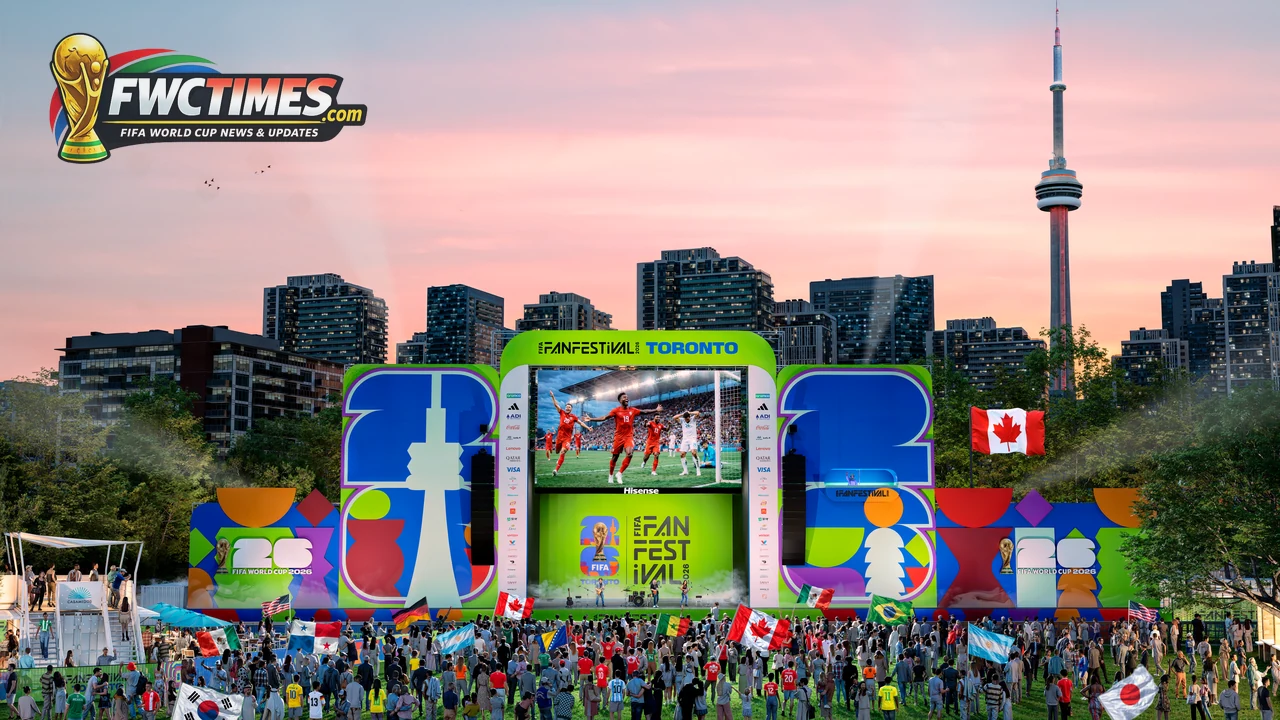
Toronto chose Fort York National Historic Site and The Bentway as the official fan festival location. The site will operate across 22 event days between June 11 and July 19. Programming includes public match viewing, music, food, art, and cultural events built around Toronto as a global city.
The fan festival has its own capacity challenge because supporters without match tickets still need a managed place to gather. Free general admission requires advance registration, so the city can estimate demand before opening gates. That model should reduce entry confusion during the busiest Canada and knockout dates.
The location also connects football with city identity. Fort York gives the event a historic anchor, while The Bentway uses the space under the Gardiner Expressway. Together, they create a downtown fan route within walking distance of the stadium zone.
The plan still needs disciplined communication before match week. Visitors will need clear station advice, accessible routes, and day-by-day entry rules. Those details will decide whether the economic forecast feels real to fans on the ground.
| Planning Item | Confirmed Detail | Fan Impact |
|---|---|---|
| Economic output | Up to $940 million across the Greater Toronto Area | Frames the scale of visitor spending and event work |
| GDP impact | $520 million projected | Shows the broader local value beyond ticket sales |
| Labour income | $340 million projected | Signals demand for event, hospitality, and service roles |
| Jobs supported | More than 6,600 | Adds staffing pressure across match and festival sites |
| Fan festival site | Fort York and The Bentway | Creates a second major crowd zone near downtown |
What Fans Should Do Before Toronto Matchdays
Fans should treat the city plan as part of the match ticket, especially around the Canada opener. The World Cup ticket process only gets supporters into the stadium. It does not solve the last-mile movement from hotel, transit stop, or fan festival gate.
Travellers should check the operating day for the fan festival before picking accommodation. A hotel that works for one match may create a longer walk on another day. Transit access, late-night return routes, and crowd exits should shape booking choices.
The city has also extended restaurant and bar hours on match days, which changes postgame movement. Late trading can spread crowds away from the stadium, but it can also stretch demand on taxis and trains. Supporters should plan a return route before kickoff.
Toronto can gain from the tournament if operations stay clear and local businesses receive useful demand signals. The early forecast gives the city a target. The matchday test will show whether transport, fan festival planning, and visitor spending line up.
Frequently Asked Questions
Toronto now has a stronger planning frame, and the next useful update will be the match-by-match mobility detail fans can use.
Read Also: Iran Seeks Visa Assurances Before World Cup 2026 Opener