World Cup 2026 Power Rankings – All 48 Teams Ranked

World Cup 2026 Power Rankings

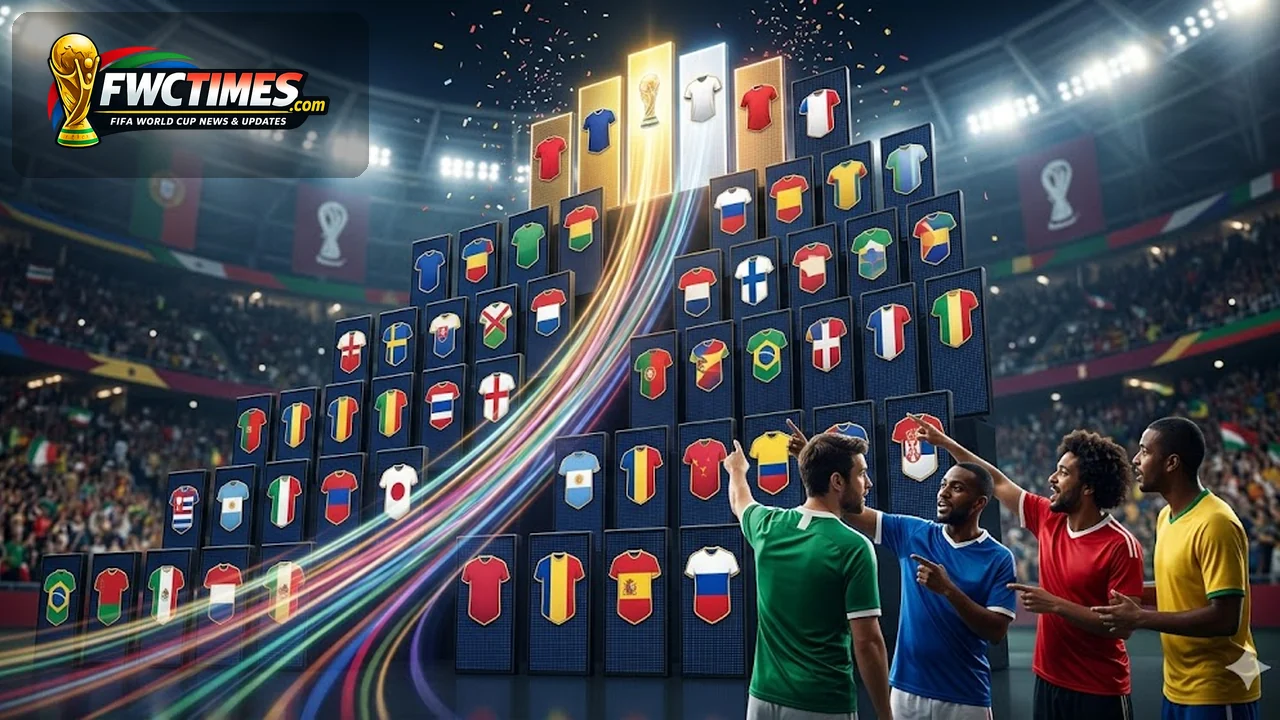
World Cup 2026 power rankings all teams answers a practical fan question before the 2026 tournament starts. World Cup 2026 power rankings will change once final squads, form, injuries, and group paths are clear. Any full 48-team ranking before matchday should be treated as a live projection.

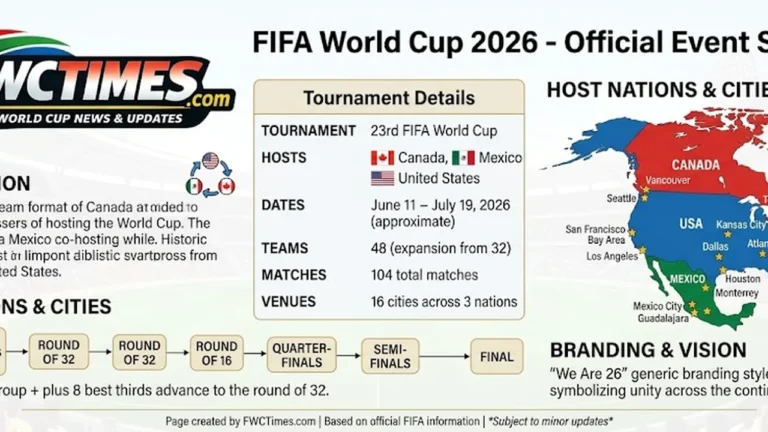
Fans should connect this topic with tickets, venues, kickoff times, broadcast routes, and group-stage planning. The FIFA World Cup 2026 format has 48 teams and 104 matches, so useful planning starts with clear facts.

Quick Answer: World Cup 2026 power rankings all teams

World Cup 2026 power rankings will change once final squads, form, injuries, and group paths are clear. Any full 48-team ranking before matchday should be treated as a live projection. Fans should check the latest official details before spending money, booking travel, or inviting guests.

The tournament runs from June 11 to July 19, 2026. Matchday planning should account for time zones, venue access, legal viewing options, and live table movement.

How World Cup 2026 Power Rankings Work

World Cup 2026 power rankings all teams should not copy the official ranking line for line. A useful list weighs current ranking, squad depth, tactical balance, knockout experience, injury risk, and likely group-stage path.

The latest official men’s ranking places France, Spain, and Argentina in the top three before the final pre-tournament update. Portugal moved ahead of Brazil, while Morocco stayed inside the global top 10.

This FWCTimes order uses that ranking as the base, then adjusts for tournament ceiling. Host advantage also matters because Mexico, the United States, and Canada will play group matches at home.

Final squads can still move teams by several places. Injuries, goalkeeper form, and the group draw can change the middle tier faster than the top contenders.

Key Point Detail
Team count 48
Ranking status FWCTimes projection
Main factors Official ranking, squad depth, form, draw, host advantage
Top tier France, Spain, Argentina, England
Update timing After final squads and the June ranking update

World Cup 2026 power rankings all teams: 1 to 48

Rank Team Tier Why they rank here
1 France Title favorite Top of the latest official ranking with elite depth in every line.
2 Spain Title favorite European champions with control, pressing quality, and a balanced young core.
3 Argentina Title favorite Defending world champions with tournament know-how and match-winning attackers.
4 England Title favorite Deepest attacking squad in Europe and strong qualification form.
5 Brazil Title contender High ceiling remains clear despite recent ranking movement and injury questions.
6 Portugal Title contender Strong squad depth, experienced leaders, and multiple scoring routes.
7 Netherlands Title contender Powerful spine, elite defenders, and enough forward quality for a deep run.
8 Germany Title contender Improved momentum, high technical level, and proven tournament pedigree.
9 Morocco Dark horse contender Best-ranked African qualifier with structure, belief, and knockout experience.
10 Belgium Dark horse contender Still carries high-end talent, even with a squad in transition.
11 Uruguay Knockout threat Aggressive midfield, direct runners, and a strong competitive edge.
12 Colombia Knockout threat Balanced squad with creative forwards and strong recent international form.
13 Croatia Knockout threat Tournament experience and midfield control keep them dangerous.
14 Switzerland Knockout threat Reliable structure and experienced players make them difficult to beat.
15 Mexico Host boost Best-ranked co-host with home advantage and a demanding group-stage setting.
16 United States Host boost Athletic squad, home venues, and strong transition play lift the ceiling.
17 Senegal Knockout threat Physical quality, defensive strength, and attacking pace make them dangerous.
18 Japan Knockout threat Technical depth, pressing discipline, and squad balance support a strong run.
19 Austria Upset candidate High-energy pressing and clear coaching identity can trouble bigger teams.
20 Norway Upset candidate Haaland and Odegaard give Norway elite match-winning power.
21 Ecuador Upset candidate Young, athletic squad with enough defensive bite to frustrate favorites.
22 Iran Group-stage threat Experienced core and strong organization make them hard to break down.
23 South Korea Group-stage threat Fast transitions and proven tournament players keep them competitive.
24 Sweden Group-stage threat Strong forward options and renewed momentum after the European play-offs.
25 Turkiye Group-stage threat Creative midfield talent gives them a real upset path.
26 Scotland Group-stage threat Compact shape, set-piece threat, and intensity can swing tight matches.
27 Australia Group-stage threat Physical, organized, and comfortable in tournament-style games.
28 Algeria Group-stage threat Technical attackers and African qualifying strength give them upside.
29 Egypt Group-stage threat Salah-led attack and tournament experience keep Egypt competitive.
30 Canada Host boost Home conditions and pace in wide areas create a clear route to points.
31 Cote d’Ivoire Group-stage threat Physical depth and attacking power can punish open games.
32 Paraguay Competitive outsider Defensive toughness and South American qualifying rhythm help their case.
33 Tunisia Competitive outsider Disciplined defensive habits make them awkward group-stage opponents.
34 Ghana Competitive outsider Individual talent remains strong, but consistency will decide their ceiling.
35 Qatar Competitive outsider Recent Asian tournament experience gives them a useful base.
36 Czechia Competitive outsider Set pieces, physicality, and experience keep them in the middle tier.
37 Saudi Arabia Competitive outsider Tournament experience and energy can keep group matches close.
38 Panama Competitive outsider Concacaf rhythm and direct play make them a live underdog.
39 South Africa Competitive outsider Improved structure and confidence can make them difficult in one-off games.
40 DR Congo Competitive outsider Athletic profile and defensive edge give them upset value.
41 Uzbekistan First-time watch Highest-rated debutant profile with organization and a growing squad base.
42 Iraq First-time watch Long qualification run built resilience, but the group draw will matter.
43 Bosnia and Herzegovina First-time watch Experienced leaders help, but squad depth is a concern.
44 Jordan First-time watch Historic qualification gives belief, yet chance creation must hold up.
45 New Zealand First-time watch Clear OFC route and tournament discipline can keep games tight.
46 Haiti Long shot Speed and emotion help, but depth against elite teams is a concern.
47 Cape Verde Long shot Historic debut brings belief, though the step up is severe.
48 Curacao Long shot A historic qualification story, but the overall field is stronger.

The World Cup 2026 schedule printable guide helps fans compare these rankings with fixtures, dates, and group-stage planning notes.

Why This Matters for Fans

The answer can affect how fans watch, travel, spend, and follow tournament news. A small detail can change the best route, screen setup, or ticket decision.

Home viewers need legal broadcast access and local kickoff times. Traveling fans need venue routes, ticket access, and city-specific rules.

Group hosts should confirm the match, screen, sound, and backup stream before guests arrive. That avoids a last-minute scramble when the game begins.

Ticket holders should review the World Cup 2026 tickets guide before changing purchase plans.

How It Connects to the Tournament Format

World Cup 2026 uses 12 groups of four teams. Each team plays three group matches before the Round of 32 begins.

The top two teams in each group advance, and the eight best third-place teams also qualify. That format keeps more teams alive during the final group round.

Fans should follow points, goal difference, goals scored, and confirmed full-time results. A late goal can change several qualification paths.

Live standings belong with the World Cup 2026 table live guide once matches begin.

Planning Tips Before Matchday

Fans should check the latest date, local time, and source before acting. Screenshots can age quickly when fixture notes, venue rules, or app access change.

A second trusted source helps when the topic affects money or travel. Tickets, hotels, and public viewing plans deserve stronger checks than casual social posts.

Fans should write down the action they need to take after reading the answer. That action may be booking nothing yet, checking a city page, saving a broadcaster app, or waiting for a final squad.

Traveling fans should save key details offline. Crowds can slow mobile data near venues, fan zones, and transit stations.

Time planning works better with the World Cup 2026 kickoff times guide and the World Cup 2026 broadcasting rights guide.

What Could Still Change

Some items will stay open until FIFA, host cities, broadcasters, teams, or venues publish final guidance. Fans should mark those details as yet to be confirmed.

Venue operations can change by city. Public viewing rules, alcohol policy, crowd controls, and transport advice should be checked near matchday.

Player picks, rankings, and prediction pages also need updates after final squads. A tournament projection is not the same as a confirmed result.

Venue checks should start with the World Cup 2026 stadiums guide.

Common Mistakes to Avoid

Fans should not rely on one social post when the answer affects spending or travel. Confirmed pages and official routes deserve more weight.

Another mistake is confusing a prediction with a final list. Awards, rankings, and best-team picks need actual tournament evidence.

Viewers should not wait until kickoff to test streams, logins, or screens. A short test before matchday prevents avoidable problems.

Mobile reminders and alerts can be planned through the World Cup 2026 app guide.

World Cup 2026 power rankings all teams checklist

Check the latest update, confirm the source, save the practical detail, and review it before matchday. That routine catches most bad information.

If the detail affects tickets, travel, streaming, or stadium entry, use a second trusted route. Careful checks protect fans from late changes.

Frequently Asked Questions

Are all 48 World Cup teams ranked yet?

Rankings are projections before the tournament. Final strength becomes clearer after squads and opening matches.

What factors shape power rankings?

Squad depth, form, coaching, injuries, and draw path shape rankings.

Can rankings change during the tournament?

Yes. Results, injuries, and tactical changes can move teams quickly.

Are FIFA rankings the same as power rankings?

No. FIFA rankings are official points-based rankings, while power rankings are editorial judgments.

When should fans trust power rankings most?

Power rankings become more useful after final squads are known.

Conclusion

World Cup 2026 power rankings all teams should be handled with clear facts and careful timing. The 2026 World Cup has more fixtures, host cities, and live updates than older editions.

Fans who prepare early can enjoy the tournament with less confusion. Confirmed facts should guide the plan, while unsettled details should stay marked as yet to be confirmed.

Read Also: World Cup 2026 Dark Horses – 5 Teams Who Could Shock Everyone

Sharing is Caring

Similar Posts

Leave a Reply

Your email address will not be published. Required fields are marked *