How the World Cup 2026 Bracket Works

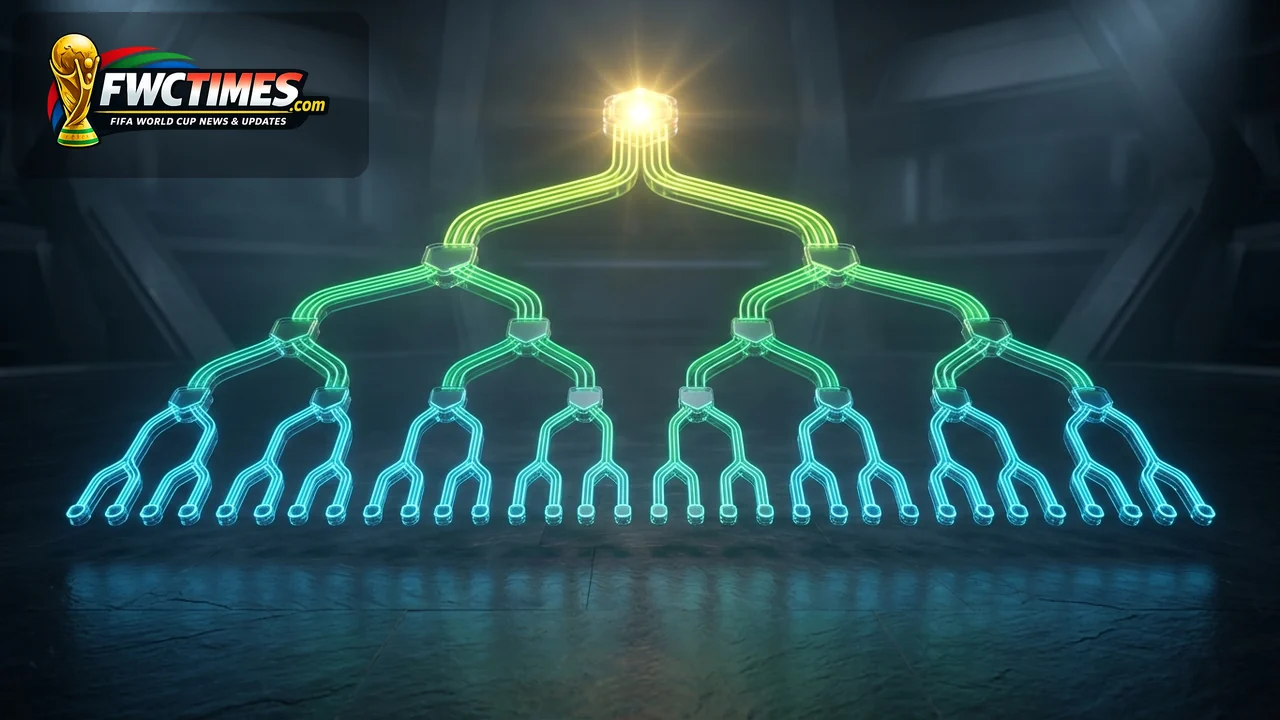
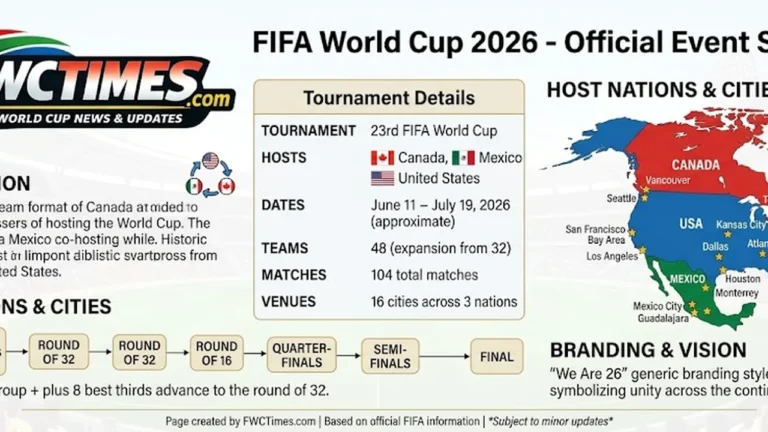
The World Cup 2026 bracket organizes the final single-elimination phase. In fact, fans will watch forty-eight teams compete in the expanded FIFA World Cup 2026. This new system features a record number of matches. As a result, teams must navigate these elimination pathways to win the trophy.
Understanding the World Cup 2026 Bracket
The group stage will reduce the starting field of forty-eight nations. The top two teams from each group will advance directly. On top of that, the eight best third-place teams will enter the bracket. This setup ensures that every match remains highly competitive.
The expansion adds an extra round of matches to the tournament. Managers must prepare their squads for a longer competition. Yet, squads must maintain their energy during the summer heat in the USA. The larger tournament structure will test player depth.
Key Rounds in the Knockout Bracket
The knockout stage contains five distinct rounds of play. Contenders must win four straight games to reach the final. Since a single loss means elimination, teams will play with extreme caution. Every goal becomes critical for survival in the tournament.
Travel distances will impact team recovery between these matches. Strong squads like Brazil will travel across different time zones. That said, proper scheduling will help players stay fit. Fans can expect physical battles in every city.
| Round | What Happens | Why It Matters |
|---|---|---|
| Round of 32 | 32 teams enter | First knockout step |
| Round of 16 | 16 teams remain | The field starts to narrow fast |
| Quarterfinals | 8 teams remain | Only serious contenders stay alive |
| Semifinals | 4 teams remain | One win from the final |
| Third-place match | Losing semifinalists play | Gives the tournament a bronze-game finish |
| Final | 2 teams remain | The trophy is decided |
The championship match will take place at MetLife Stadium. This venue is located in New Jersey near New York City. The winner of this final game will lift the trophy. After all, the tournament ends with this massive celebration.
Rules for Tied Matches in the Bracket
Knockout matches cannot end in a draw. If the score is level after ninety minutes, the teams will enter extra time. This period consists of two halves lasting fifteen minutes each. As a result, players must endure thirty more minutes of action.
Coaches will use their benches to maintain high intensity. The extra time period usually leads to tactical changes. Even so, fatigue will affect the performance of both teams. Fresh substitutes can make a major impact late in the game.
Extra Time and Penalties in the World Cup 2026 Bracket
If the score remains tied after extra time, a penalty shootout will decide the winner. Shootouts test the mental strength of players under pressure. Still, goalkeepers will try to make the decisive save. A single block can change the history of a nation.
How Third-Place Teams Qualify
The organizers will rank the third-place teams based on group points. Goal difference will serve as the first tiebreaker. After that, goals scored will determine the final ranking. Since only eight teams advance, the competition will be fierce.
Teams will fight for every goal until the last minute. This system keeps more nations active in the tournament. So, fans will experience high drama during the final group matches. Strong sides like France must secure early points to avoid this path.
Frequently Asked Questions
How many teams qualify for the World Cup 2026 bracket?
The knockout stage features thirty-two qualifying teams. This number includes the top two countries from all twelve groups. On top of that, the eight best third-place teams from the group stage will advance. As a result, fans will see a larger knockout field than ever before.
Does the knockout stage feature a round of 32?
Yes, the tournament includes a round of thirty-two. This represents a major change from previous formats. Teams must now win an extra match to reach the final. So, squad depth will play a crucial role in success.
What happens if a knockout match ends in a tie?
Tied matches will go to extra time after ninety minutes. Teams will play two halves of fifteen minutes each. If the score is still even, a penalty shootout decides the winner. In fact, these shootouts provide the ultimate tournament drama.
How are third-place teams sorted for the bracket?
Organizers will rank the third-place teams based on group points. Goal difference and goals scored will serve as tiebreakers. Since only eight sides advance, every goal remains important. Teams will fight for every point until the final whistle.
Where will the final match of the tournament take place?
MetLife Stadium will host the final match on July 19, 2026. This venue is located in East Rutherford, New Jersey. The winner of this game will lift the championship trophy. So, the tournament will end with a historic celebration.
Conclusion
The World Cup 2026 bracket provides a clear path to the final. Fans can track every match to see how the tournament progresses. Since the field is larger, more unexpected results will occur. The summer of soccer will deliver unforgettable matches.
Supporters will travel across the continent to cheer for their nations. Every stadium will host historic knockout battles. In fact, you can follow the tournament updates on our platform. The road to the trophy will test the best teams in the world.