How Many Cities World Cup 2026 Has Selected for Matches

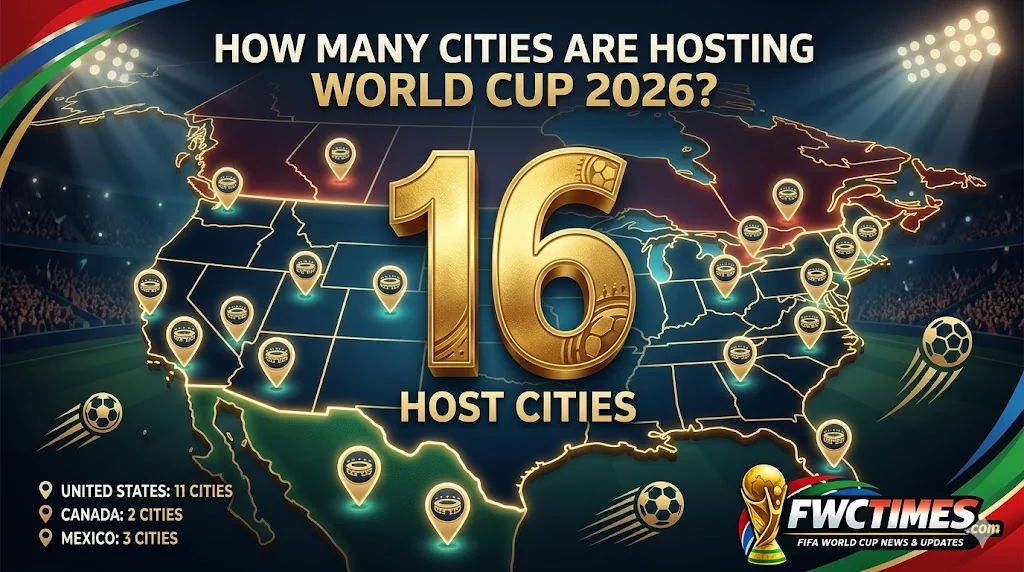
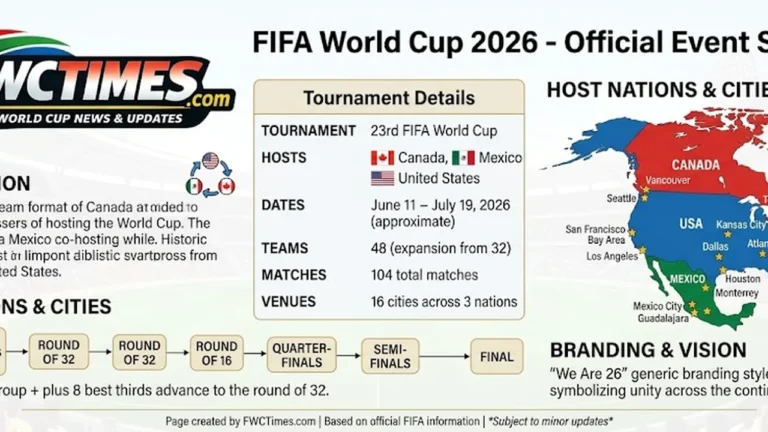
The next global football tournament will feature a massive expansion across North America. Fans often ask how many cities FIFA World Cup 2026 will use to host the matches. The tournament features sixteen host cities spread across three different nations. This layout ensures that games take place near millions of football supporters.
Host Country Breakdown: How Many Cities World Cup 2026 Uses
The host nations split the sixteen venues based on stadium size and infrastructure. In fact, the United States contains eleven of the selected host cities for the tournament. Mexico provides three historic football venues to stage these high profile fixtures. Canada hosts matches in two of its major metropolitan areas.
| Host Country | Host Cities | Total Venues |
|---|---|---|
| United States | Atlanta, Boston, Dallas, Houston, Kansas City, Los Angeles, Miami, New York/New Jersey, Philadelphia, San Francisco, Seattle | 11 |
| Mexico | Guadalajara, Mexico City, Monterrey | 3 |
| Canada | Toronto, Vancouver | 2 |
This layout ensures that matches take place near millions of North American residents. In fact, the hosts want to minimize team travel times between these distant cities. As a result, the organizers divided the tournament venues into three separate regional divisions. This system helps teams stay fresh during the grueling group stage matches.

Travel Planning Across Three Large Countries
Supporters must prepare for long journeys between different regions during the tournament. Traveling from Vancouver to Miami requires several hours of flight time. That said, regional scheduling will help fans follow their teams with less stress. Fans should book their travel plans well before the opening match begins.
The vast distances will challenge supporters who follow their national teams. Yet, group stage matches will occur in specific regions to help minimize travel times. Supporters will experience different climates and time zones across the various host cities. Booking transport options early will help fans avoid high prices during the summer.
Why the Number of How Many Cities World Cup 2026 Selects Matters
The large number of host cities supports the newly expanded tournament format. In fact, forty-eight teams will compete in this historic edition of the tournament. The tournament needs sixteen cities to host the increased number of matches. Spreading the games prevents single venues from suffering pitch damage or scheduling issues.
Having sixteen cities also allows more fans to attend games locally. On top of that, many supporters will live within driving distance of at least one official venue. Fans can check how many matches each city will host before buying tickets. This distribution makes the tournament more accessible to diverse communities across the continent.
Stadium Requirements and FIFA Standards
FIFA selected these host cities after evaluating stadium capacity and local transit systems. Because of this, every venue must meet strict international requirements to host tournament matches. Most selected stadiums in the US normally host professional American football games. These modern structures offer excellent corporate facilities and large seating capacities.
Yet, the venues in Mexico and Canada also possess rich sporting histories. Mexico City previously hosted final matches in two historical editions of the tournament. Fans traveling to watch Brazil matches might remember previous tournaments in South America. The new tournament layout will create a unique experience for every visiting supporter.
Impact of the Expanded Tournament Format
The tournament now features a total of one hundred and four matches. This schedule represents a significant increase from previous editions of the competition. After all, the sixteen host cities will easily accommodate the massive influx of international visitors. Each city will organize dedicated fan zones to broadcast the matches live.
The expanded format means more matches will take place in each host city. As a result, fans can enjoy multiple games without traveling to different parts of the continent. Supporters from England can base themselves in one region for the group stage. This regional organization helps teams maintain high performance levels throughout the competition.
Frequently Asked Questions
How many cities will host matches during the tournament?
The tournament will use sixteen host cities across North America. The United States has eleven host cities for the matches. Mexico will provide three host cities while Canada provides two venues.
Which Canadian cities will host the matches?
Toronto and Vancouver are the two Canadian host cities for the tournament. Both cities will stage group stage matches during the summer. Fans can easily travel to these modern stadiums using local public transit.
Will Mexico City host the opening match?
Estadio Azteca in Mexico City will host the opening match of the tournament. This historic stadium has already hosted two previous finals. The famous venue will welcome millions of fans during the games.
Which country contains the most host cities?
The United States has eleven host cities for the tournament. This is the largest share of host cities among the three countries. Most knockout matches will take place in these American stadiums.
How do the regional clusters help supporters?
FIFA organized the host cities into three geographic regions to reduce travel. Teams will play their group stage matches within one region. This setup helps supporters plan their trips without constant long flights.
Conclusion
The sixteen host cities will showcase the passion of North American football fans. Supporters will travel across three massive nations to cheer for their teams. In fact, each host city offers unique cultural experiences and world class stadium facilities. Proper planning will ensure an unforgettable experience during this historic tournament.
Fans should also understand the new group stage design to plan their itinerary. You can read about how the groups will operate across the regions. This guide explains the matches in detail to help you prepare. After all, staying informed will make your travel planning much easier.