How Many Teams World Cup 2026 Expansion Offers

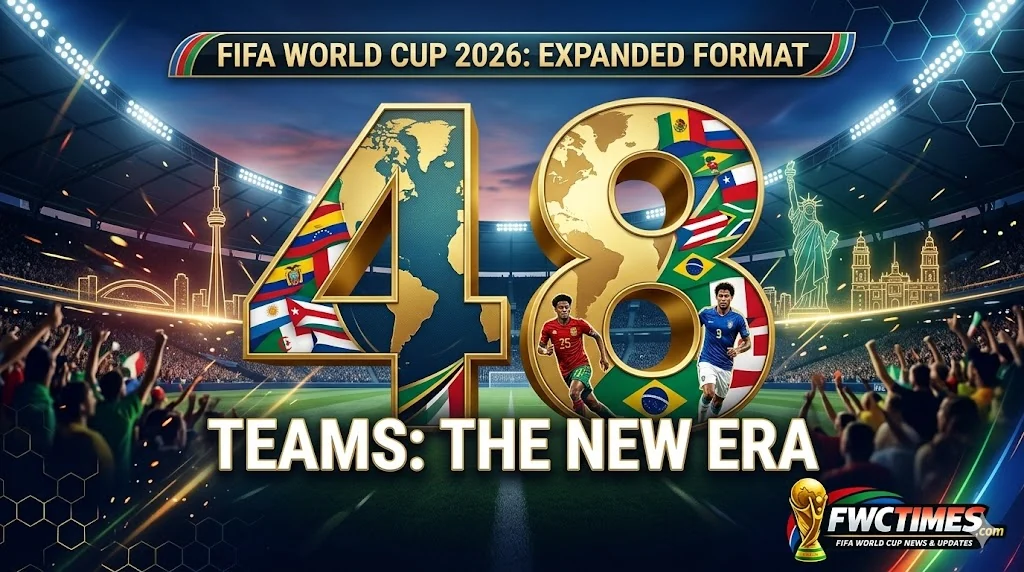
Fans often ask how many teams World Cup 2026 will feature. The next FIFA World Cup 2026 includes 48 national teams across three host nations. This expansion marks a major shift from the traditional format. The changes bring more excitement to the international stage.
This article covers the structure and rules of the expanded tournament. Supporters will see unique matchups and new playing styles. The group stage offers intense matches from the very start. Every country must adapt to this new scheduling system.
Why the How Many Teams World Cup 2026 Field Changed
The expansion allows more nations from different regions to participate. Officials decided to increase the field to grow the game globally. More spots are now available for teams in Africa and Asia. This structure brings new national teams to the world stage.

Supporters will see new matchups and unique playing styles. The matches will take place across 16 host cities. Fans can explore the host venues through the World Cup venues guide. Early planning will help visitors enjoy their match travel.
Group Stage Structure for the Expanded Field
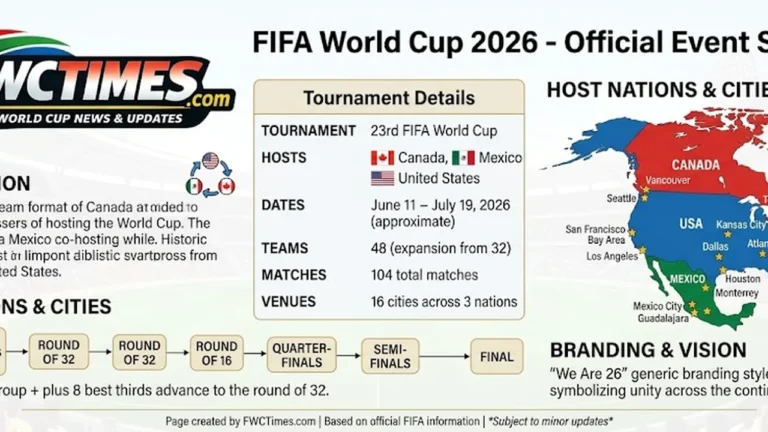
The 48 teams will split into 12 groups of four. Each group will play a standard round-robin schedule. The top two teams from each group will advance directly. This format keeps the competitive tension high throughout the opening round.
Eight best third-place teams will also qualify for the knockouts. This rule means almost every final group match remains important. Teams cannot afford to relax after their initial fixtures. Goal difference will play a crucial role in deciding which teams advance.
How Many Teams World Cup 2026 Sends to the Knockouts
A new Round of 32 will kick off the knockout stage. This round replaces the old Round of 16 entry point. The champions must now win eight matches to lift the trophy. This extra game tests squad depth and player recovery times.
Coaches must rotate players to maintain high energy levels. The physical demands of the tournament will increase significantly. Squad depth will determine which countries can survive the grueling schedule. Fans can track all the updates on the World Cup 2026 teams hub.
Summary of the Expanded Tournament Format
The expanded format changes the scheduling and match progression. Fans will experience a massive increase in the total match count. This setup ensures more action for viewers worldwide. The structured details clarify how the matches will progress during the event.
| Format Item | Confirmed Detail | Fan Meaning |
|---|---|---|
| Total teams | 48 | Largest men’s World Cup field |
| Groups | 12 groups of four | Three group matches per team |
| Automatic qualifiers | Top two in each group | 24 teams advance directly |
| Extra qualifiers | Eight best third-place teams | Third place can still be enough |
| Total matches | 104 | 40 more matches than Qatar 2022 |
| First knockout round | Round of 32 | One extra elimination match |
Tactical Shifts and Squad Adaptations
Tactical preparation will shift to accommodate the longer tournament. Coaches cannot rely on a single starting lineup for every match. The physical stress will require smart squad management and rotation. Teams must adapt to the new playing environments quickly.
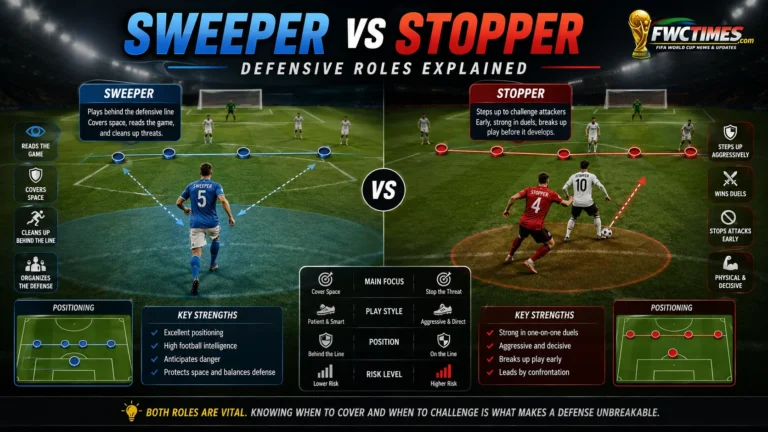
Defensive strategies might favor safety during the group stage. A single goal can determine qualification for third-place teams. Analysts will monitor these trends on the tactical formation hub. Fans will see diverse tactical approaches from different global regions.
Ticket Information and Match Planning
The large team count increases the demand for match tickets. Fans must plan their travel routes across multiple cities. The official ticketing phases will open in distinct stages. Supporters should monitor the World Cup tickets guide for updates.
Travel logs will help fans navigate the different venues. Host cities are preparing for a massive influx of international visitors. Early booking will secure the best options for accommodation and transport. The tournament will offer a historic experience for all attendees.
Conclusion and Future Outlook
The expansion to 48 teams marks a new era for football. Fans will enjoy more matches and more dramatic moments. The tournament structure provides a larger stage for global talent. This event will redefine the scale of international sports.
Supporters should prepare for the unique format changes. Keeping track of the group tables will be vital. The World Cup stats section will update records in real time. This expansion promises to deliver an unforgettable summer of football.
Frequently Asked Questions
How many teams are in World Cup 2026?
A total of 48 teams will participate in the tournament. This field is the largest in the history of the event. The expansion adds 16 teams to the previous format. Fans will see more nations competing on the global stage.
How many groups are in the new format?
The teams are divided into 12 groups of four. Each country will play three matches during this stage. The top two teams from each group qualify automatically. The best third-place teams also advance to the next round.
How many matches will teams play in total?
The expanded tournament will feature 104 matches in total. This schedule is longer than any previous men’s edition. The finalists must play eight games to win the trophy. This increase adds more action for fans worldwide.
How do third-place teams qualify for the knockouts?
The eight best third-place teams will enter the next stage. FIFA will rank these teams based on their group points. Goal difference and goals scored will break any standing ties. Disciplinary records can also decide the final rankings.
What is the first knockout round in 2026?
The first knockout stage is the Round of 32. This round introduces direct elimination for the remaining teams. It adds an extra layer of drama to the tournament. Teams must win this match to reach the Round of 16.