Counter Attack World Cup 2026: Transition Tactics

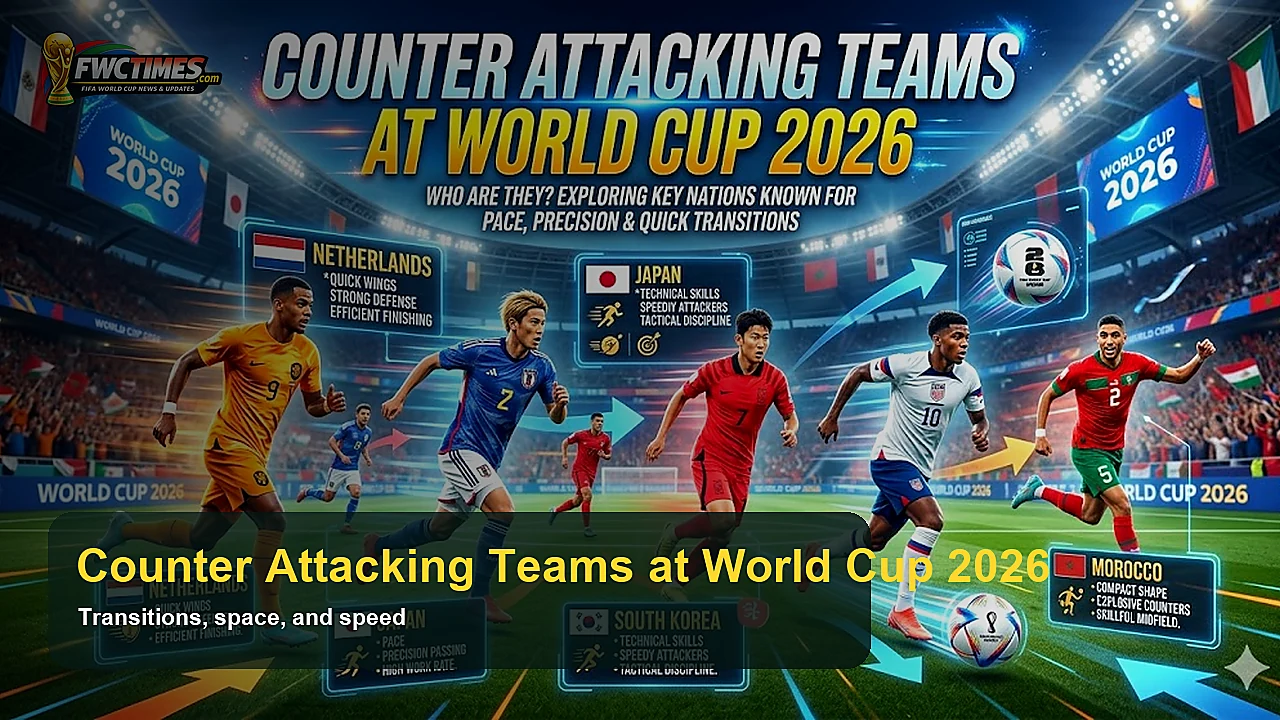
The counter attack World Cup 2026 tactical landscape runs on rapid vertical transitions designed to exploit space before opponent defenses organize. In a tournament format expanded to 48 teams, coaches utilize transition-heavy strategies to bypass possession structures. In fact, modern international fixtures favor pragmatic counter-attacking models due to limited squad training times. This vertical approach turns defensive regains into scoring opportunities inside 15 to 20 seconds.
The physical load of the 104-match schedule dictates the use of counter-attacking setups. Playing games across diverse climates and altitudes makes constant high pressing physically unsustainable for most squads. As a result, teams choose to defend in compact blocks and press in calculated bursts to conserve energy. This strategic reserve of stamina is essential for navigating a demanding seven or eight-match path to the final.
The history of the tournament shows that disciplined defensive blocks can carry underdog sides deep into the knockout rounds. France won the 2018 title using a lethal counter-attacking system built around the vertical speed of Kylian Mbappé. The coaching staff of many nations has adopted similar transition models to match the trends of the 2026 tournament. Tactical discipline and quick first passes are the defining traits of these systems.
Low-Block Utility and Rest Attacks
Successful counter-attacking teams organize their defensive phase around a deep low block or a narrow mid-block structure. The defensive lines stay compact, closing down central channels and forcing the possession team wide. Once the ball is won, the midfielders play immediate vertical passes to release the forwards. The possession football World Cup guide compares these transition shapes to patient possession models.
Many modern coaches employ a rest attack strategy to maintain constant pressure on the opponent’s defensive line. Under this setup, one or two forward players do not drop deep to defend, remaining high and wide instead. This positioning ensures an immediate outlet is available the moment the ball is recovered in the defensive third. The high press World Cup guide explores how pressing systems react to these high outlet targets.
Key Teams Running Transition Systems
The Morocco playing style World Cup 2026 system is an excellent example of elite low-block organization. Morocco drops into a narrow 5-4-1 block out of possession, compressing space in the defensive third. Once they recover the ball, they launch quick transitions down the flanks using the speed of Achraf Hakimi. This tactical organization helped Morocco reach the semi-finals at the 2022 tournament.
The USA playing style World Cup 2026 approach utilizes a mid-block to control the center of the pitch before launching counters. The USMNT waits for specific pressing triggers in the middle third, then releases Christian Pulisic into space. Ecuador also runs a highly effective transition model under their athletic coaching staff. They use a physical double pivot to win central duels and feed rapid counterattacks.
Vertical Depth and Speed of Thought
Modern counter-attacking relies on vertical depth, which requires attackers to make penetrative off-the-ball runs immediately. Speed of thought is more critical than raw pace, as players must identify open space before the defense recovers. The ball-carrier must deliver an early through ball or drive forward to commit the last defender. This rapid decision-making separates elite transition teams from disorganized counter-attacks.
The wide forwards run diagonally to support the central striker, creating numerical overloads against the opponent’s centre-backs. This movement stretches the opponent’s rest defense, forcing them to commit fouls or concede clear shooting angles. The 4-3-3 formation World Cup guide compares these transition patterns to structured possession play.
Post-Qualifying Transition Statistics and Facts
Recent major tournaments highlight that transition play accounts for a significant percentage of open-play goals. As co-hosts, USA, Mexico, and Canada focused on transition drills in friendly fixtures. The expanded 48-team tournament features 12 groups of four teams, making goal difference critical.
| Statistic | Value | | :— | :— | | Total Matches | 104 | | Total Teams | 48 | | Typical Counter Time | 15-20 Seconds | | Group Stage Groups | 12 | | Key Transition Outlet | Rest Attack |
This data shows that vertical efficiency is the most reliable way to secure results under tournament conditions. The squads enter the group stage with a clear understanding of their transition duties. This tactical focus makes counter-attacking teams highly dangerous in knockout situations.
Key Vulnerabilities of Counter-Attacking Systems
The biggest tactical risk is the physical strain placed on the defensive block. If the opponent controls possession for long periods, the defending team can suffer from mental and physical fatigue. This pressure increases the risk of defensive errors inside the penalty area during the late stages of matches. This vulnerability requires perfect concentration from the central defenders.
The system also struggles if the team concedes an early goal, forcing them to chase the game. When a counter-attacking side is forced to dominate possession, they often lack the creative spacing to break down low blocks. The opponent can then sit deep and exploit the counter-attacking team’s own defensive line. This challenge requires tactical flexibility to shift systems during matches.
Expert Verdict
Counter-attacking will be a decisive tactical factor at the 2026 World Cup. The physical demands of the expanded schedule and travel distances favor pragmatic transition systems over high-intensity pressing. Morocco and USA are well-positioned to exploit possession-heavy opponents with their structured blocks. The key to their tournament will be the quality of the first pass out of defense.
If transition teams can maintain defensive discipline, they will secure upsets against tournament favorites. The matches in the high altitude of Mexico will be a significant test of low-block endurance. Coaches who manage squad rotations effectively will keep their transition outlets fresh for the knockout rounds. The trophy may well be won by a team that dominates the moments after winning possession.