FIFA Removes Ontario World Cup 2026 Tickets from Resale Platforms

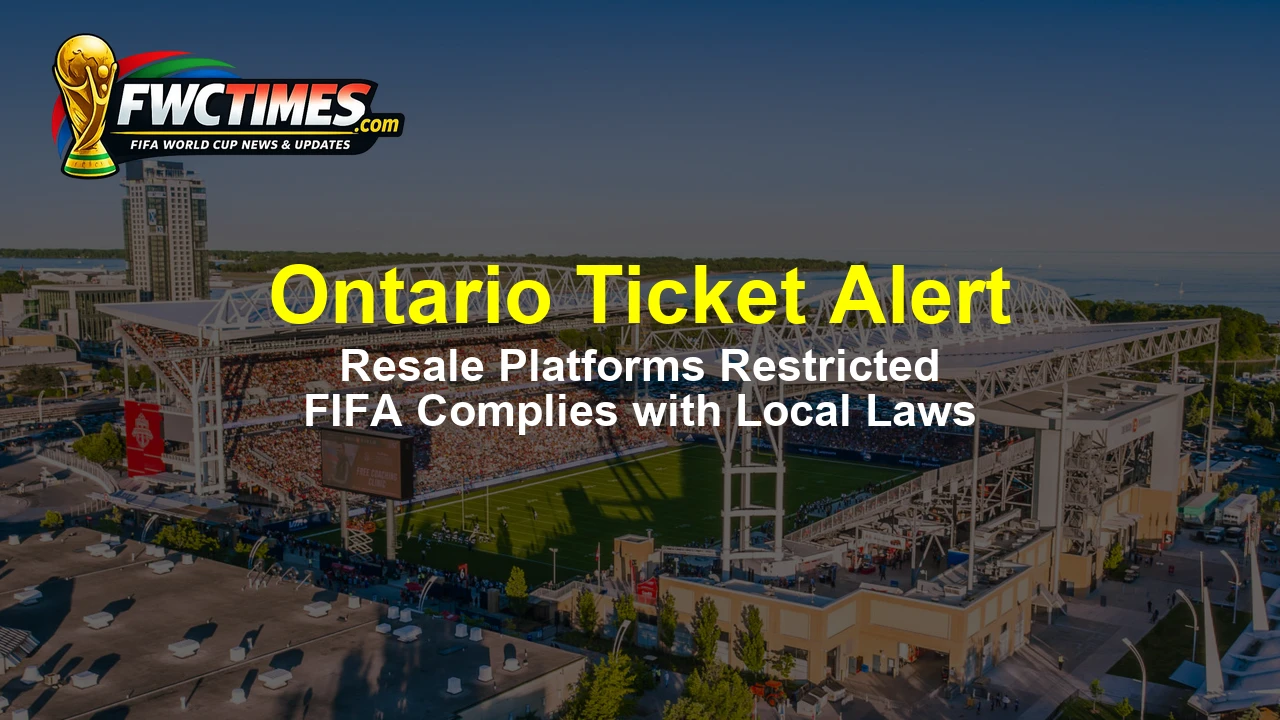
FIFA has officially removed World Cup 2026 tickets from official resale platforms within the province of Ontario, Canada, following strict local anti-scalping legislation. This administrative decision ensures that the governing body remains in full compliance with the Ticket Sales Act, which prohibits the resale of tickets at prices exceeding their original face value. The move has significant implications for fans planning to attend matches at Toronto’s BMO Field during the FIFA World Cup 2026.
International observers note that Ontario’s legal framework is among the most aggressive in North America regarding consumer protection in the ticketing industry. FIFA’s technical team has updated the official tournament portal to prevent Ontario-based transactions that violate these specific regional parameters. This proactive measure aims to protect the integrity of the pricing structure and ensure fair access for genuine football supporters across the Canada host cities.
Understanding Ontario’s Anti-Scalping Laws
The Ticket Sales Act in Ontario was designed to curb the influence of automated bots and professional scalpers who artificially inflate secondary market prices. By mandating that tickets cannot be resold for more than the price paid to the original seller, the legislation creates a unique environment for tournament organizers. FIFA must navigate these local nuances while maintaining a consistent global ticketing strategy for the expanded 48-team format.
Furthermore, the removal of tickets from resale platforms prevents the massive price surges often seen during high-stakes knockout rounds. Fans in Ontario are encouraged to utilize official primary channels for all tournament acquisitions to avoid potential legal complications or invalidation of entry. The provincial government has reiterated its commitment to enforcing these standards to maintain a fan-friendly environment throughout the historic co-hosting period.
Tactically, this decision simplifies the administrative overhead for local organizing committees who must manage the influx of millions of international visitors. It reduces the risk of fraudulent activities and ensures that revenue remains within the sanctioned ecosystem of the competition. FIFA continues to monitor other host jurisdictions in the United States and Mexico to determine if similar adjustments are required before the opening whistle in 2026.
Impact on Fan Travel and Logistics
For traveling supporters, the restriction on resale platforms requires a more disciplined approach to matchday planning. Securely acquiring tickets through the official FIFA lottery and primary sale phases is now more critical than ever for those attending matches in Toronto. The technical complexity of verifying ticket authenticity at the gates remains a priority for stadium operations staff at BMO Field.
Anticipation for the tournament remains at an all-time high despite these administrative hurdles. Host cities are preparing for unprecedented demand, and the regulated pricing in Ontario may actually increase the speed at which primary tickets are exhausted. Fans must remain vigilant and follow verified updates from official tournament channels to stay informed about future sales windows and administrative changes.
Resilience in the face of logistical challenges is a hallmark of the World Cup experience. Organizers believe that while these rules may seem restrictive, they ultimately serve the best interests of the global football community. By prioritizing affordability and fairness, the 2026 project aims to set a new standard for inclusivity in major international sports broadcasting and live event management.
FIFA’s Global Ticketing Standards
The governing body maintains a rigorous set of standards designed to combat the “gray market” of ticketing. While Ontario’s laws are particularly specific, FIFA’s overarching goal is to maximize stadium occupancy with diverse, passionate crowds. The success of the 104-match schedule depends on an efficient, transparent, and legally sound ticketing infrastructure that can handle the massive scale of the North American event.
As the countdown continues, the administrative focus will remain on refining these systems to provide a seamless user experience. Every detail, from the digital delivery of tickets to the enforcement of local resale laws, is being meticulously planned to deliver a world-class showpiece. The 2026 World Cup is shaping up to be a defining moment in the evolution of sports management and fan engagement.
Stay tuned to FWCTimes for continuous updates on World Cup 2026 tickets, fan guides, and verified tournament news. Our technical analysis ensures that you remain ahead of the curve as the world prepares for the biggest party in football history.
Frequently Asked Questions
Read Also: Neymar Makes Brazil’s Preliminary 55-Man Squad for World Cup 2026