What Is a Friendly Match in Football? Meaning and Purpose

A warm-up match football fixture takes place outside a league or knockout competition. Its result does not award league points or eliminate a team from a cup.
Teams use friendlies to prepare tactics, assess players, build fitness, and face unfamiliar opponents. The match still follows football laws and agreed competition procedures.
What Is a Friendly Match in Football?
A friendly is a scheduled football match. It does not form part of a competitive tournament table or knockout tie. Teams play it for preparation, development, or sporting value.
Recognised senior international friendlies can award caps and affect FIFA rankings. They carry a lower ranking importance than major competitive matches.
Friendly Match Football Meaning and Rules
Warm-up matches sit outside the competitive standings of leagues and cups. The result can still matter to coaches, players, supporters, and ranking systems. It simply does not award competition points or direct advancement.
The Laws of the Game still guide the match. Referees manage fouls, restarts, cards, and playing time. Organisers can agree permitted variations where the laws and governing body allow them.
Club friendlies often take place during preseason or international breaks. National teams schedule them before tournaments and qualifiers. Each match gives coaches controlled preparation against a real opponent.
The word exhibition describes competition status rather than effort level. Players still compete for selection and results. Tackles, injuries, cards, and tactical pressure can remain serious.
Purpose of a Friendly Match in Football
Coaches test formations and player combinations without risking league points. They can assess whether training ideas survive real match pressure. Opponent quality determines the value of the test.
Players use friendlies to build fitness and match rhythm. Returning players can receive controlled minutes. New selections can learn team demands before a competitive fixture.
National teams often choose opponents with styles similar to future tournament rivals. A possession team, deep defence, or direct attack can prepare a specific challenge. Travel and climate can also shape the choice.
FWCTimes tracks the latest preparation programme in its World Cup 2026 friendly schedule. Those fixtures help teams complete final assessments before the tournament.
Substitutions, Lineups, and Player Experiments
Match organisers can permit more substitutions than many competitive matches. The agreed rules must remain clear before kick-off. Extra changes help coaches spread minutes and protect players.
FWCTimes explains the standard framework in its football substitution rules guide. Friendly agreements can create a different practical allowance. Match officials record the approved procedure.
Coaches may start an experimental lineup or change shape during the match. A player can receive minutes in a new role. The result offers evidence, but one friendly cannot settle every selection question.
Frequent changes can reduce match rhythm and tactical clarity. Coaches balance experimentation against the need for a realistic contest. The most useful friendlies still demand organised team play.
Exhibition and Competitive Match Comparison
| Area | Exhibition Match | Competitive Match |
|---|---|---|
| Competition points | None | Can award league or group points |
| Advancement | No direct qualification | Can decide qualification or elimination |
| Substitutions | Often expanded by agreement | Set by competition regulations |
| International caps | Can count when officially recognised | Count in recognised senior matches |
| FIFA ranking weight | Lower importance | Higher importance for major competitions |
International Caps and FIFA Ranking Impact
A recognised senior international warm-up can add an appearance to a player’s cap total. The match must satisfy the relevant recognition requirements. Unofficial training games may not receive the same status.
International friendlies can affect FIFA’s men’s world ranking. FIFA’s calculation gives them a lower importance factor than qualifiers and major tournament matches. The result still carries ranking consequences.
Club friendlies do not affect national-team rankings. They also do not award domestic league points. Their value comes from preparation, commercial activity, and supporter engagement.
Match labels can differ across organisers. A closed-door training match may use flexible procedures and limited public reporting. Teams should describe the fixture status accurately when presenting player records.
How Coaches Judge an Exhibition Match
Coaches judge whether the team executed its intended shape and decisions. Score matters, but performance evidence can matter more. A loss can still reveal a useful selection or tactical lesson.
Analysts compare chance creation, defensive spacing, pressing, and transition control. They also review how players respond after substitutions. The strongest lesson connects directly to the next competitive opponent.
Supporters should read lineups before drawing conclusions. A team testing young players faces a different objective from a settled tournament side. Fitness workload can also influence tempo.
The World Cup 2026 teams will use their final friendlies differently. Some need chemistry, while others need recovery or tactical rehearsal. Preparation choices should fit the squad’s actual needs.
How to Read Exhibition Match Results
Supporters should check lineups, substitutions, and training workload before judging the score. A coach testing young players has a different target from a settled tournament team. The result alone can hide that difference.
Heavy training before a warm-up can reduce sharpness by design. Coaches may prioritise fitness adaptation over immediate performance. The same team can look quicker after recovery and a competitive match plan.
Opponent quality also shapes the lesson. A strong rival can expose structural weaknesses that an easier win would hide. Coaches gain value when the fixture tests a specific tournament problem.
Teams may protect planned set pieces and tactical surprises before a major event. They can rehearse selected movements without revealing every detail. Friendly evidence remains useful, but it never shows the complete plan.
Player availability can change the interpretation again. A team missing several starters may focus on backup options and emergency partnerships. The staff should compare the performance with the intended competitive lineup.
Connection to FIFA World Cup 2026
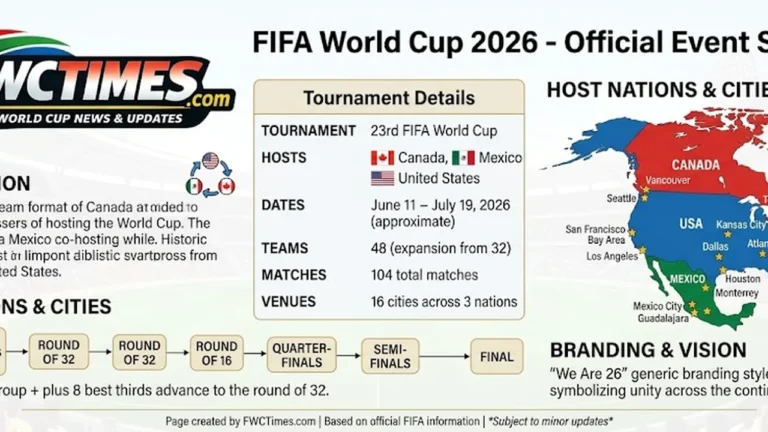
Before the FIFA World Cup 2026, international friendlies give teams their final live test. Coaches can refine lineups without risking group-stage points.
Teams such as Brazil, France, and the United States can use those matches to test combinations and set-piece plans. Opponent selection can imitate a group rival’s style.
The final result may affect confidence and rankings, but tournament performance remains the real target. Player fitness and tactical clarity often guide the last friendly decisions.
Frequently Asked Questions
What does friendly match football mean?
Exhibition match football describes a fixture outside a competitive league or knockout tournament. It awards no league points and causes no direct cup elimination.
Why do teams play friendly matches?
Teams use friendlies to test tactics, assess players, build fitness, and prepare for future opponents. The match creates live evidence without competition points.
Do international friendlies count as caps?
Recognised senior international friendlies can count toward player caps. Unofficial or training fixtures may not receive the same recognition.
What is the difference between an exhibition and a competitive match?
An exhibition does not award competition points or direct advancement. A competitive match can decide standings, qualification, or elimination.
Why are friendlies important before World Cup 2026?
Friendlies let World Cup 2026 teams refine lineups, tactics, fitness, and set pieces. Coaches can test ideas before group points become available.
Conclusion
Exhibition matches give coaches a live environment for preparation and player assessment. Their results sit outside competition standings, yet their lessons can shape future results.
The final World Cup 2026 friendlies will reveal selection and tactical clues before the tournament starts. Stay tuned to FWCTimes.com for the latest FIFA World Cup 2026 updates.
Read Also: Iran vs Gambia Pre-World Cup Friendly Preview