Qatar World Cup Squad Keeps Almoez Ali And Akram Afif

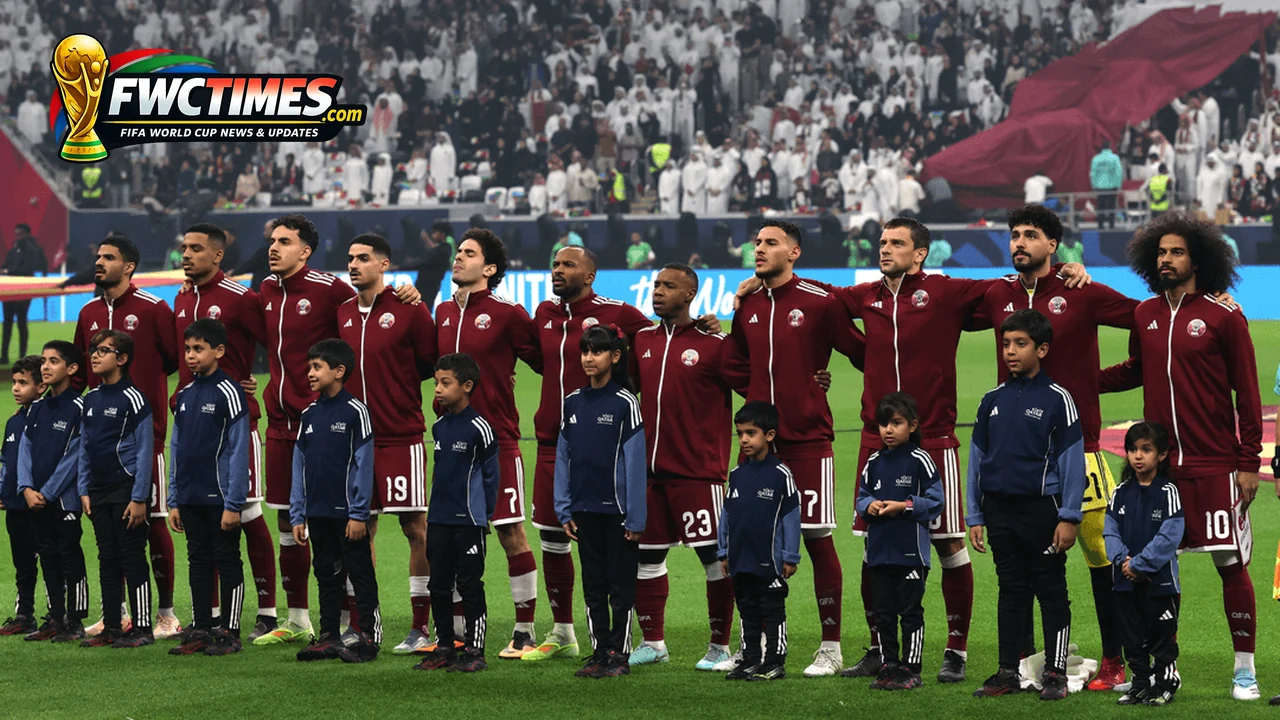
Qatar named a 26-man Qatar World Cup squad with Almoez Ali, Akram Afif and Meshaal Barsham leading Julen Lopetegui’s group for North America. The selection gives the 2022 hosts a familiar spine, yet it also places fresh pressure on a side trying to turn regional chemistry into tournament results. Qatar arrive with a clear attacking identity because Afif and Ali remain the players who can decide tight games. The squad now moves from selection debate into match preparation for FIFA World Cup 2026.
Lopetegui’s list leans on Qatar Stars League experience and keeps the most established leaders inside the camp. Akram Afif remains the creative reference point, while Almoez Ali gives Qatar a proven penalty-box route. Meshaal Barsham gives the group a goalkeeper who has already handled Asian Cup and World Cup pressure. Hassan Al-Haydos also stays involved, which matters because Qatar will need calm leadership between matches.
Lopetegui Keeps Qatar’s Familiar Core Together
Qatar’s squad tells a clear story: Lopetegui wants continuity before the group stage opens. The defensive group includes Pedro Miguel, Lucas Mendes and Mohammed Waad, so the coach has players who understand the team’s build-up habits. Midfield options such as Jassim Gaber, Assim Madibo and Karim Boudiaf give him ball-winning and control profiles. That mix should help Qatar stay compact when stronger opponents force long defensive spells.
The forward group carries most of the public attention because Afif and Ali remain Qatar’s highest-impact pair. Afif can drop between lines and make the final pass, while Ali attacks crosses and loose balls inside the box. Edmilson Junior and Mohammed Muntari add different routes, so Qatar do not need one pattern all tournament. Their first task is to turn long familiarity into quicker decisions under World Cup speed.
The Vancouver match against Canada gives Qatar one of the sharper early tests on the calendar. Canada’s tempo can stretch teams, so Qatar’s midfield spacing will matter from the first whistle. The venue angle also matters because BC Place can become a fast, loud setting for transition-heavy football. Qatar need clean restarts and patient first passes to stop that rhythm.
| Position | Players |
|---|---|
| Goalkeepers | Salah Zakaria, Meshaal Barsham, Mahmoud Abunada |
| Defenders | Pedro Miguel, Sultan Al Brake, Al-Hashmi Al-Hussain, Ayoub Al-Alawi, Issa Laye, Lucas Mendes, Mohammed Waad, Niall Mason |
| Midfielders | Ahmed Fathi, Jassim Gaber, Assim Madibo, Abdulaziz Hatem, Karim Boudiaf, Mohammed Mannai |
| Forwards | Almoez Ali, Akram Afif, Tahsin Mohammed, Edmilson Junior, Ahmed Alaa, Hassan Al-Haydos, Mubarak Shannan, Mohammed Muntari, Yusuf Abdurisag |
Qatar World Cup Squad List
Lopetegui’s squad gives Qatar enough experience to avoid a rushed reset. The list also shows he trusts players who already understand the national-team environment, so training time can focus on structure instead of introductions. Qatar still need more goal threat beyond the Afif-Ali link, because opponents will target that channel. Even so, the chosen forwards offer enough variety to change the final 30 minutes of games.
The group also needs disciplined game management. Qatar struggled when opponents controlled territory in past World Cup matches, so the squad has to defend with cleaner distances. The midfield group can protect the back line if the wide forwards track runners early. That work may decide whether Qatar survive pressure and reach late moments with the scoreline alive.
Fixture planning now becomes practical for fans and analysts. The World Cup 2026 schedule will decide rest gaps, travel demand and match rhythm around Qatar’s group games. Supporters tracking availability should also follow World Cup 2026 tickets because Qatar fixtures against North American opponents may draw strong local demand. The squad announcement gives those plans a fixed football reference point.
What The Squad Says About Qatar’s Tournament Plan
Qatar’s tournament plan now depends on turning familiarity into repeatable patterns. The squad has enough tournament experience to handle noisy stadiums, but it still needs sharper final-third spacing. If Afif receives between the lines and Ali pins center-backs, Qatar can create chances without long spells of possession. If that link is blocked, the wider forwards must give Lopetegui a second route.
Frequently Asked Questions
Use FWCTimes for verified World Cup 2026 schedule, squad, venue, ticket and broadcast updates as tournament operations move into match mode.
Read Also: DR Congo World Cup 2026 Squad Names Wissa And Mbemba