How Red Card Football Rules Work

Red card football rules require a player to leave the pitch immediately after committing a serious offence. This article explains the sending-off regulations, suspension details, and tactical changes that follow. If the referee dismisses a player during a match, the team must continue playing with fewer numbers. We will analyze how these sudden discipline changes reshape team formations and coaching plans.
A dismissed player cannot sit on the bench or remain in the technical area. They must walk straight to the dressing room to prevent further disruption of the match. This strict protocol ensures the referee maintains complete control over the players and coaches. The tournament directors review the match report afterward to decide the final suspension length.
Red Card Football Rules Explained
The referee shows the colored card to signal a formal sending-off during the game. Under official regulations, serious foul play, violent conduct, and spitting result in direct dismissals. Denying an obvious goalscoring opportunity also triggers a straight red card for the defender. A player who receives two yellow cards in the same match must also leave.
Substitutes and coaching staff members can also receive red cards for poor behavior. The referee will report any dismissed team officials to the competition organizers after the game. These discipline regulations help protect the integrity and safety of the sport on the field. Teams must accept the decisions of the officiating crew during all matches.
Team Numbers and Red Card Football Rules
A player sent off after the opening whistle cannot be replaced during the match. The team must navigate the remaining time with ten players on the pitch. If a player is dismissed before kick-off, the team can name a replacement starter. This replacement does not count against the team’s official substitution limit for the match.
Goalkeepers who receive red cards present a unique tactical problem for their coaches. The manager must bring on a reserve keeper to protect the goal net. They usually substitute an outfield player to make room for the new goalkeeper. You can read our goalkeeper red card football guide to understand this specific scenario.
Tactical Shifts After a Dismissal
Playing with ten men forces the coach to adjust the team’s defensive shape immediately. Most teams choose to defend in a compact block to protect central spaces. They try to deny passing lanes and force the opponent to play wide. This organization helps prevent the attacking team from creating clear shooting opportunities.
The attacking team will try to stretch the play and overload wide areas. They move the ball quickly to tire out the short-handed defensive unit. Even so, defending deep allows the ten-man team to create dangerous counter-attacks. Both teams must adjust their game plans to handle the new numbers on the pitch.
Red Card Effects and Restarts
We outline the immediate tactical consequences and next steps of different dismissals below. The table details how referees handle sending-off scenarios before and after play begins. Coaches must understand these rules to make quick decisions during critical matches. Each scenario requires a specific restart action from the officiating crew on the field.
| Situation | Immediate Effect | What Happens Next |
|---|---|---|
| Direct red card after kick-off | Player leaves the match | The team plays with one fewer player and faces a disciplinary review. |
| Second yellow card | Player receives a red card | The player leaves, and the team cannot replace them. |
| Substitute sent off | Substitute leaves the bench area | The team keeps eleven players if no on-field player was dismissed. |
| Team official sent off | Official leaves the technical area | The team continues, but the official can face further sanctions. |
| Player sent off before kick-off | Player cannot start | A named substitute can replace them under Law 3. |
Dismissals can also affect the overall team conduct scores in tournaments. Fair play points serve as a late tie-breaker when teams finish level in groups. Coaches emphasize discipline to avoid losing crucial tournament positions over cards. We explain this system in our World Cup 2026 tie-breaker rules analysis.
Tournament Suspensions and Regulations
A direct sending-off typically triggers an automatic one-match ban for the player. Disciplinary bodies can extend this suspension if the player committed a violent act. They review the referee’s official report to determine the severity of the punishment. Players cannot appeal automatic suspensions unless they can prove mistaken identity.
Pending suspensions from the qualification phases will not apply in the final tournament. Check our World Cup 2026 disciplinary amnesty rules page to see this update. This decision gives every qualified nation a clean slate for the opening matches. The rule changes help teams field their strongest lineups during the group stages.
Relevance to the FIFA World Cup 2026
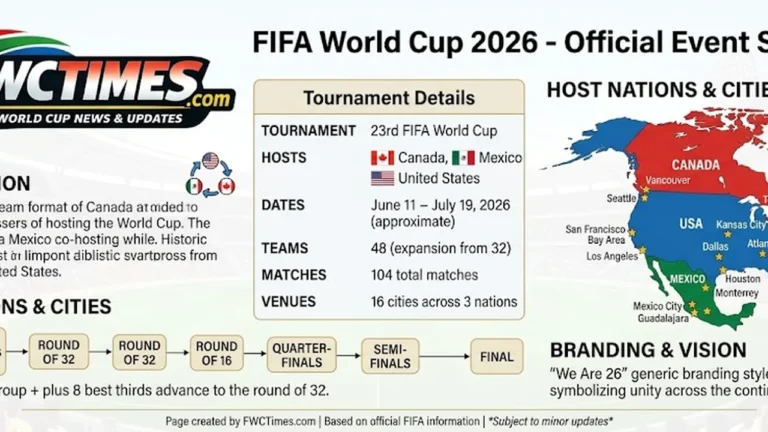
The FIFA World Cup 2026 will feature forty-eight teams and more matches. This expanded format increases the likelihood of critical sending-off moments in games. A single red card can disrupt tournament plans and suspend key players for knockout rounds. Nations must prepare tactical backups to handle sudden player dismissals in North America.
Coaches will focus heavily on squad discipline during pre-tournament training camps. They want to avoid unnecessary cards for dissent or time-wasting during play. We keep track of historical tournament stats on our sports database. You can view the most red cards in World Cup history to see past trends.
Frequently Asked Questions
What do red card football rules mean?
These rules state that a player committing a serious foul must leave the pitch. The player’s team cannot replace them during the ongoing match. The team must play with ten players for the remaining time.
Can a team replace a player who gets a red card?
A team cannot replace a player dismissed after the kick-off whistle. If the dismissal happens before the game starts, a substitute can fill the spot. The starting team will then remain at eleven players.
What is the penalty for receiving a red card?
The player receives an automatic suspension from the next competitive match. The tournament committee can extend this ban for violent conduct offences. They review the referee’s official match report before making a decision.
Can a coach or substitute receive a red card?
Yes, the referee can show red cards to substitutes on the bench. They can also dismiss coaching staff members for poor behavior in the technical area. All dismissed personnel must leave the field surroundings immediately.
How do red cards impact group standings at the World Cup?
Teams lose fair play points for every card they receive in the tournament. These points serve as a tie-breaker if teams finish level on points. Maintaining good discipline can help a nation advance to the knockout rounds.
Conclusion
A sending-off remains one of the most dramatic events in a football match. It tests the tactical flexibility of coaches and the mental strength of players. While rules protect player safety, teams must maintain their composure on the pitch. A disciplined approach is often the key to tournament success for nations.
Fans can follow all the tactical developments on our soccer news site. To read more about cards, check our other rule guides online. Read Also: Yellow Card vs Red Card in Football. Our team provides regular updates on tournament disciplinary news and match statistics.