Rudi Garcia: Age, Tactics, Career & Belgium’s World Cup 2026 Plan

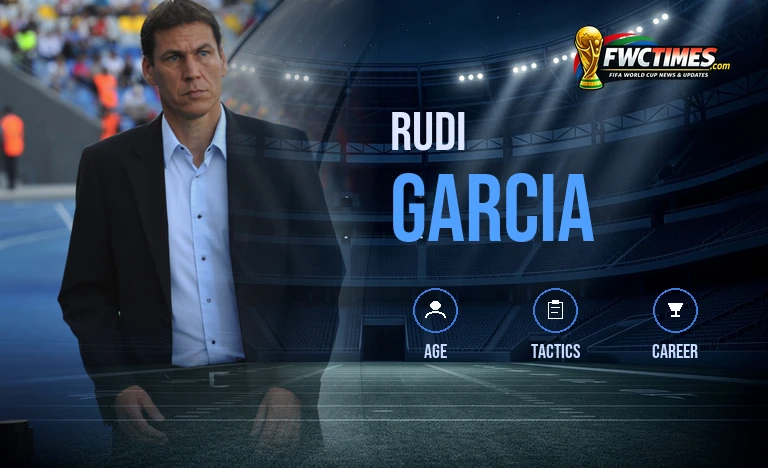
Rudi Garcia is the head coach of the Belgium national football team for the FIFA World Cup 2026. He is a highly respected figure in European and international football. In fact, he took charge of the team to guide them through their Group G campaign. This article covers his background, tactics, and tournament strategy. He has spent years working at the highest level of professional football. So he understands the demands of the global stage well.
The manager has built a reputation for possession-based tactics and high discipline. Under his leadership, the national team has developed a solid defensive structure. He has guided the team since his appointment in January 2025. Still, the challenge at the global tournament is immense. The team must compete against elite international sides. So the coaching staff has focused on tactical organization and physical preparation.
The coaching staff has worked to establish a compact and disciplined team shape. They want to combine possession control with rapid attacking transitions. The team possesses technical players who can control the midfield. As a result, they represent a significant threat. Yet, they must avoid defensive errors to progress far. Since they face tough opponents, concentration is key.
Rudi Garcia Belgium coach profile quick answer
Rudi Garcia is the manager of the Belgium national team. He is a French coach who was appointed in January 2025, succeeding Domenico Tedesco. He prefers a structured playing style, using a balanced 4-3-3 formation. His primary goal is to guide Belgium through the group stage at the FIFA World Cup 2026. Even so, the team faces a difficult draw in Group G.
The coaching staff has focused on building a resilient defensive block. Still, they want to maintain a constant attacking threat. The team relies on key midfielders to control matches. As a result, they can exploit defensive spaces in transition. On top of that, the squad’s familiarity with his methods is a big advantage. So they enter the tournament with high confidence.
The tactical setup must allow the star players to express their creativity. Yet, defensive stability remains the main priority. The manager expects total commitment from every player on the pitch. Since the competition is tough, team unity is crucial.
Early Life and Coaching Career
The journey of Rudi Garcia spans several decades of dedication to football. He began his playing career in France before moving to coaching. Later, he transitioned into a successful manager across Europe. In fact, his playing years as a midfielder shaped his tactical understanding. Since he started coaching, he has won multiple domestic and continental trophies.
He developed his coaching philosophy by managing top clubs in France and Italy. Since he won the Ligue 1 title with Lille, he has been a respected figure. His domestic success prepared him for the demands of international management. Even so, the Belgium national job is a unique test. Yet, his familiarity with elite football has helped him adapt quickly. So he was able to improve the team’s transition play immediately.
His early coaching years were spent building competitive projects with French clubs. He focused on technical control, discipline, and possession structure. Because of his success, he was offered the senior Lille job. So he established himself as a specialist in managing high-pressure situations.
The manager believes in developing young talents within his squad. He has consistently integrated academy players into his first teams. As a result, his former clubs have generated significant transfer revenues. Still, his main focus is always on winning trophies.
Background and playing career of Rudi Garcia
Rudi Garcia was born in Nemours, France, on February 20, 1964. He grew up in France and began his professional playing career as a midfielder. He played primarily for Lille, becoming a key player. He also represented Caen and Martigues during his playing years. His international career was limited due to intense competition. Still, he knew his long-term future lay in coaching. Because of his passion, he completed advanced coaching and tactical licenses. So he was well-prepared for his first coaching role.
His playing style was built on positioning and tactical awareness. He was a reliable midfielder with a good reading of the game. Since he played in the competitive French league, he understood defensive organization. As a result, he was well-prepared for his future coaching career. He retired as a player in 1992 to begin his coaching path.
The early retirement allowed him to focus entirely on tactical studies. He visited several top European academies to observe different training styles. In fact, he wanted to combine French discipline with Italian tactical flexibility. So he spent years refining his coaching methodology.
Coaching career start and progression of Rudi Garcia
He began his managerial career with Corbeil-Essonnes, leading them through early development. Later, he managed Dijon and Le Mans, achieving strong league finishes. He coached Lille, Roma, Marseille, Lyon, Al Nassr, and Napoli. In 2011, he won the Ligue 1 and Coupe de France double with Lille. He also guided Lyon to the Champions League semi-finals. In January 2025, he moved to international management with Belgium. His success in Europe prepared him well for this role.
In January 2025, the Belgian federation appointed him as head coach. In fact, he replaced Domenico Tedesco during the qualification period. His appointment was a strategic move by the federation. They wanted a manager who could bring immediate tactical structure. Still, he had limited time to implement his tactics. He had to work quickly to secure qualification points.
His coaching progression reflects his adaptability and tactical expertise. He has managed teams under high pressure in multiple countries. As a result, he knows how to handle tournament expectations. This experience has been crucial in his Belgium role. So the players have responded positively to his leadership.
His stint in Italy with Roma was highly praised by tactical analysts. He secured consecutive second-place finishes behind a dominant Juventus. Still, he wanted to win league titles in other countries. So he accepted the challenge in Saudi Arabia and later Belgium.
Rudi Garcia at Belgium
His tenure with the senior national team represents a major milestone. He has guided the team through a successful qualification campaign. Under his leadership, the team has established a modern playing style. His main goal is to make Belgium competitive in Group G. That said, he has had to work under high pressure.
The federation wanted a coach who could organize the team’s tactical approach. They believed Garcia was the ideal candidate due to his international background. So they gave him a contract through the World Cup. In fact, this decision brought long-term stability to the national setup. Since then, the team’s transition play has improved dramatically.
The preparation process involved intense training camps in North America. He had to evaluate the players’ physical condition. Since the tournament matches are played in summer, physical endurance is key. As a result, the training sessions have focused on stamina and recovery. So the squad is physically prepared for the tournament.
The coaching staff has also integrated modern data analytics. They analyze player workloads to prevent muscular injuries. Because of this approach, the squad has remained healthy. So they enter the tournament with their best players available.
How he was appointed
In January 2025, the Belgian Football Association appointed Rudi Garcia. He succeeded Domenico Tedesco after a series of inconsistent results. The federation wanted a manager who could secure qualification in UEFA. They valued Garcia’s tactical reputation and success with Lille and Roma. Since he accepted the role, he has transformed the team’s play.
He immediately set out to organize the squad for the qualifiers. He held individual meetings with key players to explain his system. Since then, he has focused on building a solid team spirit. His appointment brought tactical clarity to the national setup. On top of that, he hired experienced assistants to support his vision. So the transition was smooth for the players.
His transition was smooth because he understood international players well. He did not need time to build relationships. Still, he had to establish his specific possession demands. Yet, the initial qualifying matches showed promising tactical improvements. Because of this, the team gained confidence quickly.
Results, achievements, and current standing of Rudi Garcia
Under his guidance, Belgium qualified for the tournament through a tough UEFA campaign. They secured their qualification for the FIFA World Cup 2026. As a result, the federation praised his tactical organization. In fact, they recorded crucial wins against regional rivals during the qualification campaign. The team remained undefeated in their qualifying group.
He has also guided the team in competitive matches against regional rivals. These matches showed steady progress in transition control. Belgium’s current standing is confident and united. In fact, they are prepared to face the giants in Group G. Still, the manager knows they must raise their level further.
The team is currently preparing for their opening matches in Group G. They face Egypt, Iran, and New Zealand in their group. The training sessions have focused on tactical flexibility and transition speed. Even so, the coach wants more defensive communication. So the squad has worked on defensive shape in training.
The media has praised his ability to rotate the squad effectively. He has given opportunities to several promising youngsters. As a result, the team has developed a healthy internal competition. So every player is fighting for a starting spot.
Tactical Style and Formation
Garcia is known for his flexible and possession-based tactical style. His teams prioritize positional play, fluid movement, and control. He expects his players to be comfortable in possession, building attacks patiently. In fact, flexibility is the cornerstone of his philosophy.
The defensive structure is designed to transition smoothly into attack. This requires intelligent positioning and short passing from the defenders. On top of that, the team looks to exploit the half-spaces in the final third. Still, they must maintain defensive balance to prevent counter-attacks.
He focuses on organizing the defensive transition to prevent counter-attacks. The players must recover their positions immediately when possession is lost. Because of this structure, his teams are difficult to break down. So opponents must work hard to create scoring opportunities.
The tactical system relies heavily on the physical fitness of the full-backs. They must provide width in attack while recovering quickly in defence. As a result, the training sessions involve high-intensity endurance drills. So the players can sustain this demanding style for ninety minutes.
Preferred system and how the team plays under Rudi Garcia
He prefers a structured 4-3-3 formation. This system focuses on possession control and positional play. It utilizes central defenders to build play from the back. The full-backs provide width, while the midfield pivot controls the center. Since he has players comfortable in this setup, the system functions well.
Belgium’s play under Garcia emphasizes technical control and fluid movement. Midfielders operate in compact zones, creating scoring chances. The strikers provide the necessary focal point for the attack. He demands high pressing when possession is lost. Even so, the team can defend in a compact mid-block when required. That said, possession remains their primary tool.
The team is trained to transition within seconds of winning the ball. The wingers push forward immediately to stretch the opposition defense. As a result, they can catch opponents disorganized. Still, this style requires high fitness levels from the players. In fact, physical conditioning has been a major focus.
The midfield setup is crucial for maintaining possession under pressure. The players must rotate constantly to create passing lanes. Because of this movement, opponents struggle to press effectively. So Belgium can dominate the tempo of the game.
World Cup 2026 Plan
Belgium enters the tournament with a clear plan to compete in Group G. The coaching staff has focused on physical recovery and tactical preparation. They want to ensure the players are ready for the high-intensity matches. On top of that, they must handle the travel demands.
The squad is based in North America for their pre-tournament training. They have scheduled matches to refine their defensive shape. So they hope to be fully prepared for their opening fixture. Still, they know Egypt and Iran are tough opponents.
The tactical plan involves playing with courage while remaining defensively solid. They know the group opponents have world-class attacking quality. Since they face Egypt first, possession control is key. As a result, they have spent hours analyzing their opponents’ transitions.
The staff has also planned for the varied climate conditions across host venues. Some matches will be played in high heat, while others are indoors. Because of these variations, the recovery protocols are customized. So the players can perform at their peak in every venue.
Squad approach, key selections, and tournament goals of Rudi Garcia
His squad approach focuses on a mix of experienced and younger players. Key selections include experienced midfielders to control the tempo. The attack relies on versatile forwards to execute the fluid plan. Belgium is placed in Group G alongside Egypt, Iran, and New Zealand. The main goal is to advance to the knockout rounds. They want to make a historic tournament appearance. So they are preparing for every opponent with care.
They open their campaign against Egypt on June 15 in Seattle. They then face Iran in Los Angeles on June 21 before playing New Zealand in Vancouver on June 26. Each match presents a difficult challenge for Belgium. Still, Garcia believes the team has the quality to progress. On top of that, the players are eager to prove themselves. Because of their hard work, they enter the tournament with confidence. So they aim to make their fans proud.
The long-term objective is to reach the final weekend of the tournament. The manager wants to establish a winning legacy for Belgian football. Still, he cautions against looking beyond the group stage. So the team takes one match at a time.
Personal Info
| Full Name | Rudi Garcia |
| Date of Birth | February 20, 1964 |
| Age | 62 (as of June 2026) |
| Nationality | French |
| Current Team | Belgium |
| Contract Until | Through FIFA World Cup 2026 |
| Coaching Style | Possession-based and tactically structured |
| Major Honors | Ligue 1 Title, Coupe de France Title, World Cup Qualification |
Salary and Net Worth
Rudi Garcia’s salary and net worth will be updated soon. The Belgian Football Association has not officially disclosed the terms of his contract. In fact, coaches in Europe typically receive competitive compensation. Still, his successful playing and coaching career has already guaranteed him financial comfort. His focus remains entirely on preparing the team for the tournament. He wants to deliver a successful World Cup for Belgian fans. On top of that, he hopes to raise his profile further.
His net worth is estimated to be substantial after years of managing top clubs. He has coached in France, Italy, Saudi Arabia, and now Belgium. Yet, he has always maintained a focus on professional achievements. Because of his dedication, he is a respected figure in the region. So his financial future is secure regardless of contract details.
His commercial endorsements have also contributed to his total earnings. He has worked with French sports brands during major tournaments. Still, these sponsorships do not distract him from his main duties. So he dedicates all his time to tactical preparation.
Frequently Asked Questions
Who is the head coach of Belgium for the 2026 World Cup?
Rudi Garcia is the head coach of Belgium. The federation appointed him in January 2025. He replaced Domenico Tedesco during the qualifying campaign.
What tactics and formation does Rudi Garcia use with Belgium?
He prefers a structured 4-3-3 formation. His tactics focus on possession control, fluid movement, and organized pressing.
When does Rudi Garcia’s contract with Belgium expire?
His current contract with the Belgian federation runs through the end of the FIFA World Cup 2026. Any extension will depend on tournament results.
What are Belgium’s tournament goals at the 2026 World Cup?
The primary goal is to qualify for the knockout stage. They must finish in the top two of Group G or qualify as a best third-place team. They face Egypt, Iran, and New Zealand in Group G.
Conclusion
Rudi Garcia faces a major challenge as he leads Belgium into the tournament. His possession-based style will be key in Group G. While Egypt and Iran are tough opponents, Belgium can cause surprises. In fact, this tournament represents a historic opportunity for the French coach.
Read Also: World Cup 2026 Manager Profiles — All 48 Head Coaches