
World Cup Weather Delays Could Stretch Matches Under FIFA Rules

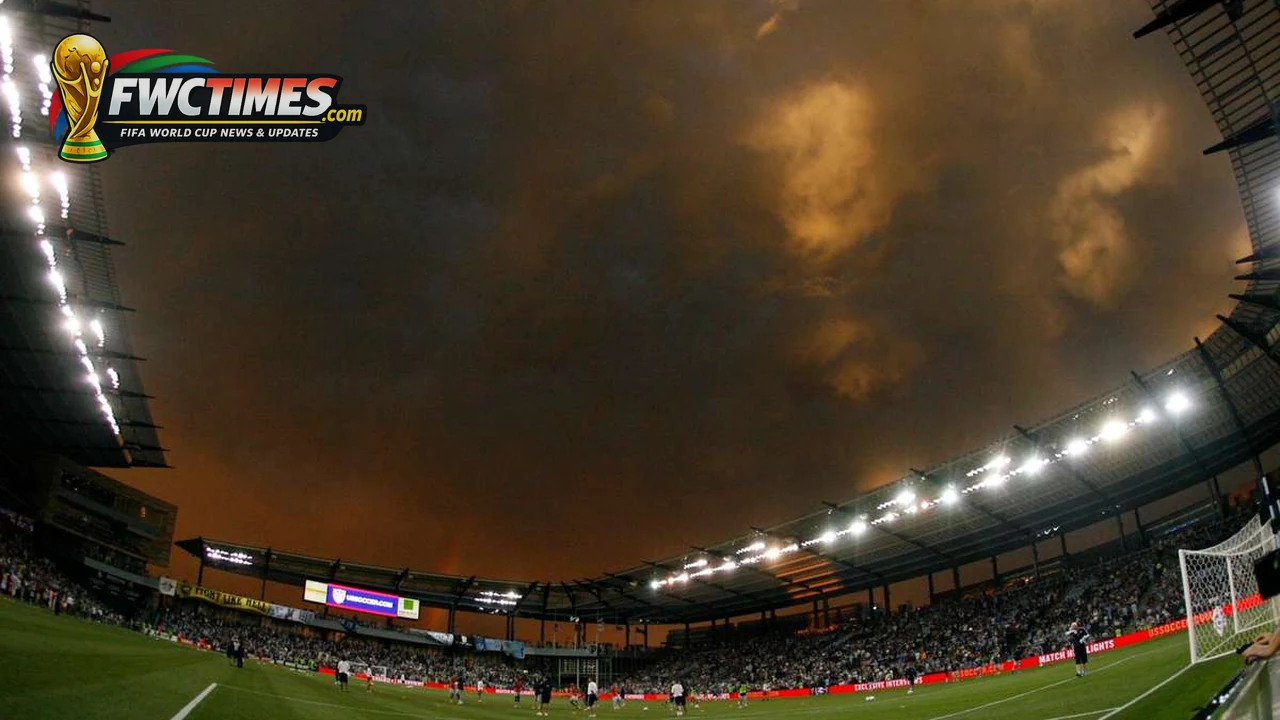
World Cup Weather Delays moved into the latest World Cup news window after severe-weather risk raised concern over how long matches could pause in 2026. Fans can track the wider FIFA World Cup 2026 schedule as the same operational window tightens. The issue matters because several host cities can face summer storms and heat. The timing gives fans a practical issue to solve before kickoff.
Severe weather can force match delays at major football events. Lightning protocols can pause play for safety reasons. The update also matters for World Cup stadiums, because local planning now shapes matchday choices. The detail is useful because it turns a broad tournament headline into a local decision.
What Changed In The Latest Update
The 2026 tournament spans June and July across North America. Some matches sit in cities known for summer storm risk. Tournament organizers, local officials and teams now have less room for slow decisions. The stronger takeaway is simple: the final week is moving from announcements into execution.
A long delay can disrupt broadcast windows, transit plans and stadium staffing. Group finales can become complicated if two matches need synchronized timing. It connects with FIFA World Cup broadcasting rights because travel, timing and access decide fan experience. The change also creates a cleaner checklist for supporters who still need transport, viewing plans or schedule clarity.
Fans in the venue need clear shelter instructions during a stoppage. Teams must manage warm-ups again after long breaks. The best reading of the update is not hype. It is a warning that small operational details can shape a fan’s day as much as the match itself.
Why The Detail Matters Before Kickoff
Supporters should check weather before leaving for the stadium. Ticket holders should know whether their route works after a late finish. That matters most for fans moving between airports, hotels, stadiums and public events. A delayed decision can now cost time, money or entry comfort.
Families should carry patience for shelter movement and re-entry instructions. Fans watching remotely should expect broadcast schedules to shift if storms arrive. Readers comparing related planning can use FIFA World Cup travel planning before match week. The same logic applies to teams, because preparation time is now measured in days.
The expanded 48-team format makes these stories larger than local bulletins. More teams, more venues and more fan routes mean more points of failure. Even so, clear information can still reduce the pressure.
The Practical Reading For Supporters
Supporters should treat the latest update as a planning prompt, not a background note. Match tickets solve only one part of the day. Transport, weather, security rules and broadcast access can still decide the experience.
Families and travelling groups need the cleanest plan because crowds will peak around opening matches and knockout dates. Local watch parties can help fans without tickets, yet each event has its own access rules. Stadium-bound fans need route checks before leaving the hotel.
The safest approach is to confirm official details close to matchday. That means checking transit times, venue rules, bag limits and kickoff windows together. A strong plan leaves fewer surprises when crowd flow starts.
| Key Detail | What Fans Need To Know |
|---|---|
| Main risk | Severe weather and lightning stoppages |
| Tournament window | June and July |
| Operational impact | Broadcast, transit, team warm-ups and crowd movement |
| Fan action | Check weather and return transport before kickoff |
The wider pattern across the latest World Cup news is clear. Operational details now carry news value because the tournament has moved into its live-arrival phase. Fans want specific times, routes, venues and restrictions. Teams want reliable conditions for training and recovery.
The practical layer is also why small updates deserve attention. A route change, a weather warning or a venue rule can affect thousands of fans in one afternoon. Supporters who act early usually avoid the worst queues and the weakest travel choices.
Each item also gives editors and fans a clear way to separate news from noise. The useful question is not whether the tournament feels close. The useful question is what changed, who is affected, and what a supporter should do before matchday.
FWCTimes is treating these updates as practical matchday information, not loose tournament chatter. The details above give readers one clear action point. They should match the update to their city, team, ticket or viewing plan before crowds build.
Frequently Asked Questions
Weather planning now belongs in the same matchday checklist as tickets and stadium routes.
Stay tuned to FWCTimes.com for the latest FIFA World Cup 2026 updates.
Read Also: Buffalo World Cup Watch Parties Add Free New York Viewing Option