World Cup Vuvuzela Ban Changes Stadium Sound Rules For Fans


World Cup Vuvuzela Ban rules will change what supporters can bring into stadiums across the 2026 tournament. FIFA’s stadium code prohibits vuvuzelas, whistles, air horns and other loud noise-making devices. The rules apply across venues in the United States, Canada and Mexico. Fans who ignore the code can face denied entry, removal or ticket consequences.
The FIFA World Cup 2026 will attract millions of stadium visitors, so entry rules now matter as much as tickets. Vuvuzelas became famous during the 2010 World Cup in South Africa. The 2026 code takes a stricter approach to sound, safety and behavior. Supporters need to check items before reaching the gate.
What FIFA’s Stadium Code Bans
The banned sound items include vuvuzelas, whistles, air horns and similar devices. Larger musical instruments also need prior written approval from organizers. The rule aims to control excessive noise and avoid disruption inside stadiums. It also gives venue staff a clear gate-screening standard.
The code also bans drones and reusable water bottles. Those rules connect fan behavior to security and commercial stadium operations. Supporters may disagree with parts of the policy, but enforcement will happen at entry points. Arriving with a prohibited item can delay or end a matchday plan.
The body-paint rule has also drawn attention. The stadium code says body tattoos and body paint do not count as clothing. Fans still need proper clothing inside venues. That point may sound minor, but it prevents confusion around costume rules.
The rules will affect every venue, including BMO Field, where Canada play a home match. Fans heading toward Toronto Stadium should also expect local security layers. Supporters should check both FIFA rules and venue notices. The safest plan is to pack light.
Why The Ban Matters Before Matchday
The main practical issue is entry speed. Security staff can move faster when fans bring fewer questionable items. Long queues can build quickly at World Cup venues. A horn, bottle or oversized bag can slow a whole line.
The sound rule also changes fan culture inside stadiums. Some supporters enjoy constant horn noise, while others find it disruptive. Broadcasters and players have raised concerns around similar sounds in past tournaments. FIFA has chosen tighter control for 2026.
Fans should not assume a normal league-stadium habit will work. World Cup rules are tournament-specific and can override what supporters use at club matches. Items allowed in one domestic event may be banned here. That difference matters for international visitors.
Ticket holders should review World Cup ticket terms before traveling. A ticket alone does not guarantee entry with banned items. Families and large groups should check bags at the hotel before leaving. That small step can avoid a costly gate problem.
| Item Type | World Cup 2026 Stadium Rule |
|---|---|
| Vuvuzelas | Prohibited |
| Whistles And Air Horns | Prohibited |
| Large Musical Instruments | Require prior written approval |
| Reusable Water Bottles | Prohibited under updated stadium rules |
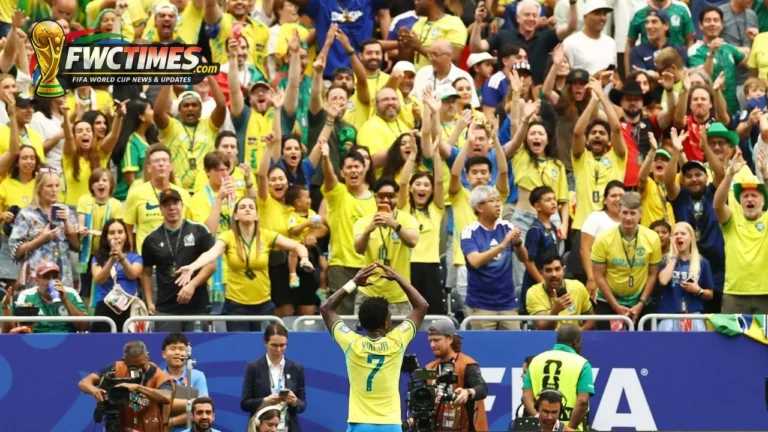
The ban does not remove atmosphere from the tournament. It changes which fan sounds can enter the venue. Chants, flags within rules and team colors will still shape matchdays. The line is drawn around devices that create excessive or controlled noise.
Fans who prepare early will avoid the biggest problems. The tournament starts in summer heat, and stadium entry will already be busy. Packing prohibited items only adds friction. Clearer bag checks can make the experience smoother for everyone nearby.
Frequently Asked Questions
The vuvuzela ban gives fans a clear packing message: bring support, but leave prohibited sound devices at home.
Stay tuned to FWCTimes.com for the latest FIFA World Cup 2026 updates.
Read Also: Argentina Player Retention Puts Scaloni Renewal Debate In Focus