Soccer Toys And Cards Surge As World Cup Spending Shifts

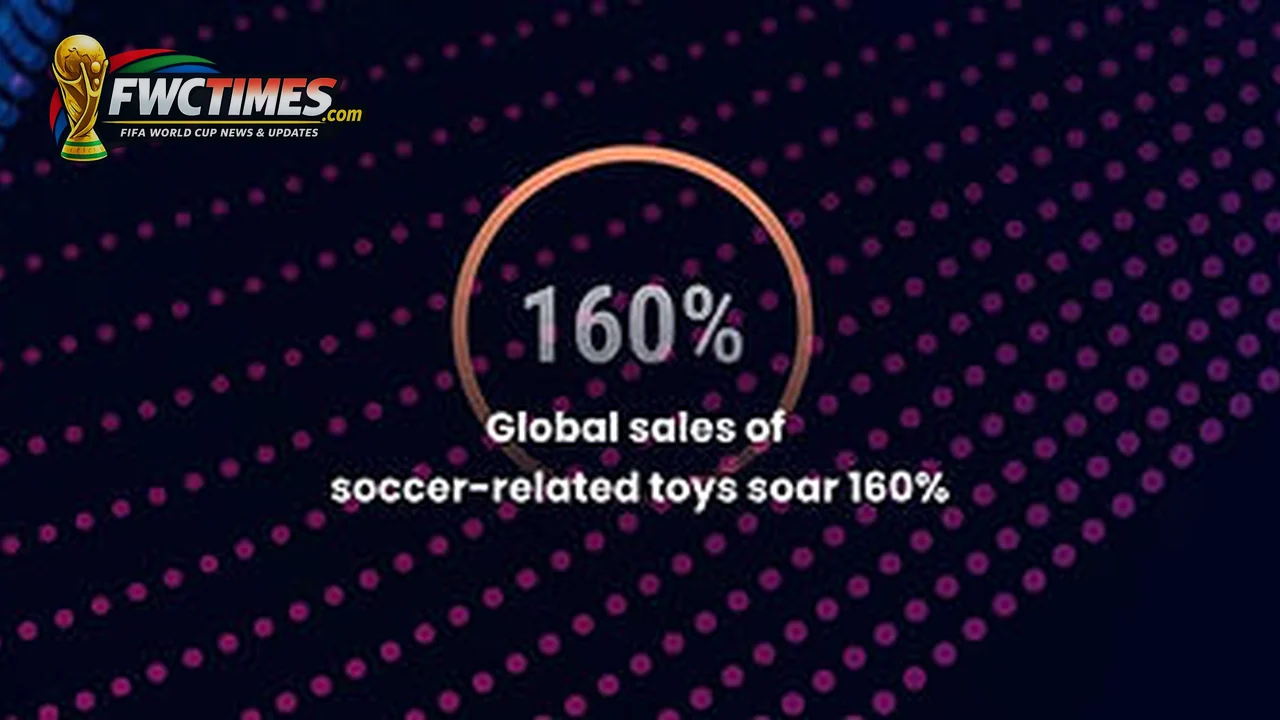
World Cup soccer toy sales are already moving before kickoff. New retail data says soccer-related toys and collectibles are up 160 percent in dollar value through April, with the category taking a much bigger share of sports-related toy spending. That tells you the tournament is not only changing viewing plans. It is also changing what fans buy, display and trade around the game.
The sharpest push seems to be coming from cards and collectibles. Those products give casual fans an easy entry point, while committed followers chase players, kits and tournament memory before the first whistle. The wider World Cup 2026 retail story has always been large. This data suggests it is starting even earlier than many expected.
What The Retail Numbers Actually Show
The biggest headline is the growth rate. A 160 percent rise in dollar sales through April means the category is moving well before the deepest matchweek rush. That matters because early spend is often a sign of broad public buy-in, not only last-minute tournament fever. People are committing cash before the drama begins.
The share shift is just as important. Soccer has moved from 4 percent to 9 percent of the wider sports-toy category in the same tracking. That does not only show more football products on shelves. It shows football is taking space from other sports in a competitive market. That is a stronger signal than raw sales alone.
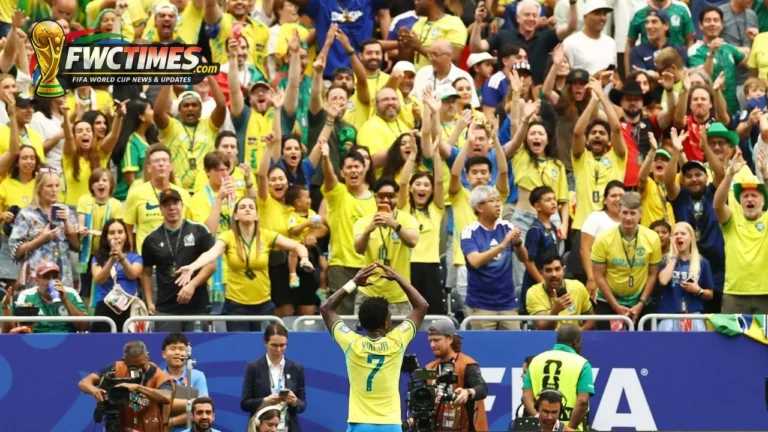
The player effect is easy to understand. Fans who follow stars such as those from Argentina or Brazil often move into cards and collectibles through personalities first. A tournament brings those players into one global window. Retailers know that a sticker pack or card box is one of the easiest entry purchases a family can make.
Another useful detail is relative ranking. World Soccer was reported as the third fastest-growing toy property in April, behind only Pokémon and Super Mario. That places football next to major entertainment properties rather than only rival sports categories. It says the World Cup is behaving like mainstream pop culture before it becomes a match schedule.
Why Cards And Collectibles Are Beating Simpler Merchandise
Cards and collectibles sit in a sweet spot between fandom and habit. They are cheaper than match travel, easier to gift than replica shirts and more social than one-off souvenirs. Fans can trade them, display them and chase rare pulls around star players. That keeps the category active even on days without matches.
The media environment helps as well. Constant highlight clips, player storylines and digital debate all feed interest in specific names, not only whole teams. That sits neatly beside the wider FIFA World Cup broadcasting rights landscape, where more coverage means more faces in circulation. Retail and media are reinforcing each other.
There is also a price-access angle. Match travel and hospitality remain expensive, so some fans will channel part of their excitement into smaller purchases instead of large event spending. That does not replace the pressure around World Cup tickets and travel budgets. It does create a parallel market where people can still feel involved without crossing a major spending line.
Retailers will now watch whether that growth holds once the tournament starts. If it does, cards and collectibles may become one of the clearest commercial side stories of the summer. If it falls back, the early jump will still show how powerful the build-up period already was.
| Retail Signal | Reported Update |
|---|---|
| Dollar-value growth | Up 160 percent through April |
| Share of sports-toy sales | Up from 4 percent to 9 percent |
| Fastest-growing property rank | World Soccer placed third in April |
| Main driver | Trading cards and collectibles are leading the surge |
The spending shift is easy to dismiss as novelty until you look at the share data. Football is not only adding demand. It is taking shelf and wallet space from other sports categories. That is what real event gravity looks like in retail.
The tournament may still deliver its largest sales burst after the first big matches. Even so, early buying suggests the culture is already moving. Fans want a piece of the World Cup before they even know which story will define it.
That is why this matters. Retail behaviour often spots momentum before television numbers do. In that sense, the market is already voting for the World Cup.
Frequently Asked Questions
The World Cup is already shaping consumer behaviour away from the pitch. Cards and collectibles are becoming one of the earliest signs of tournament momentum.
Stay tuned to FWCTimes.com for the latest FIFA World Cup 2026 updates.
Read Also: World Cup Grass Plan Turns 16 Stadiums Into A Turf Test