Vancouver Landmark to Become Giant Trionda Ball for World Cup 2026

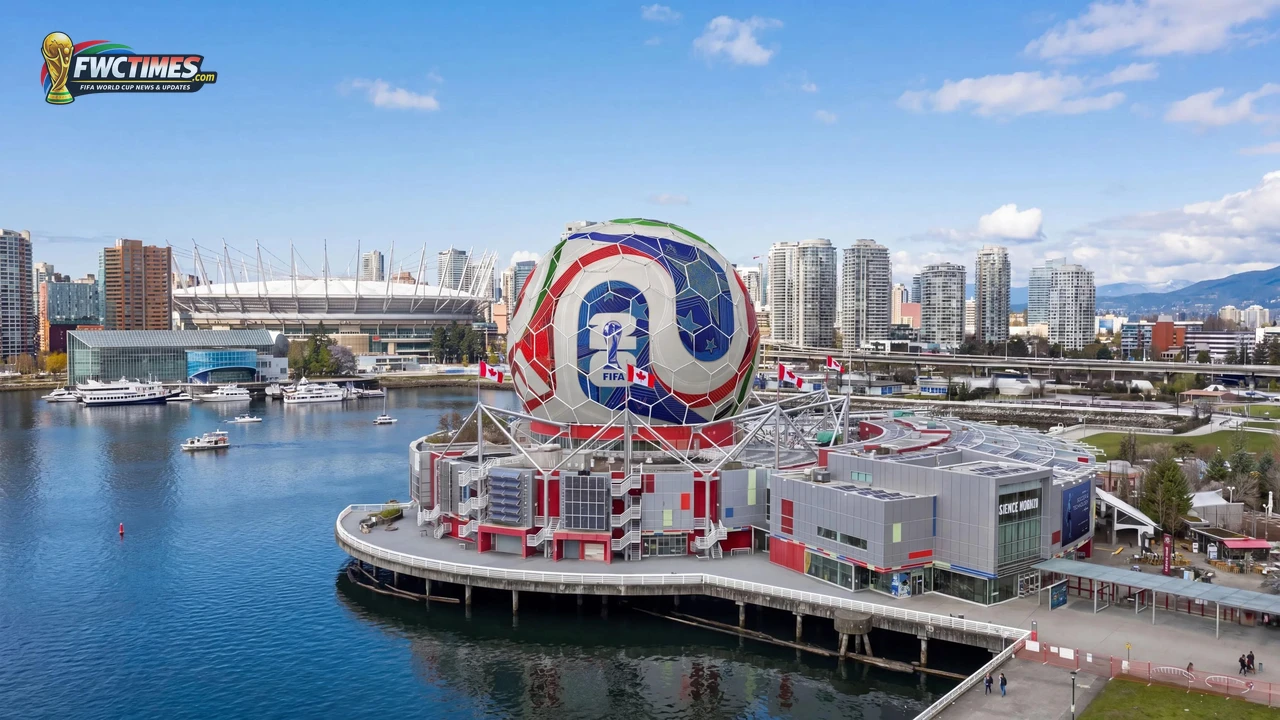
Vancouver World Cup 2026 match ball plans now include one of the city’s most visible landmarks. FIFA says Science World’s geodesic dome will become a huge recreation of the adidas Trionda before the tournament. The project gives Vancouver a public symbol that ties the host city directly to the event. It also turns the official ball into a full-scale city installation.
Vancouver World Cup 2026 match ball project centers on Science World
FIFA says the transformed venue will be called The Beautiful Dome. Crews will cover the 40-metre structure with 131 custom-shaped panels to recreate the look of Trionda. Work began on Wednesday, May 6, 2026 and should take around four weeks. FIFA expects the final reveal in early June, just before the tournament begins.
This is more than a decorative wrap. FIFA, Destination Vancouver, and provincial leaders are using the dome as a public signal that Vancouver is entering tournament mode. The city already has a stadium role in the competition. Now it also gets an instantly recognizable outdoor image linked to the official ball.
| Project Element | Confirmed Detail | Why It Matters |
|---|---|---|
| Landmark | Science World geodesic dome | Vancouver is using a civic icon, not a minor venue. |
| New public name | The Beautiful Dome | The installation gets its own tournament identity. |
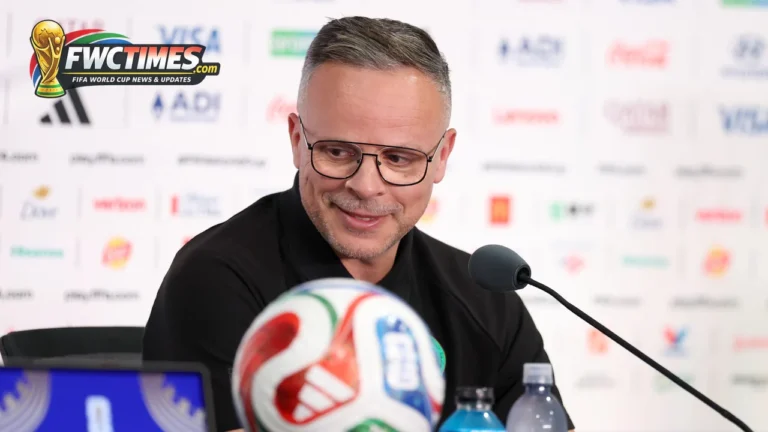
| Ball design | adidas Trionda | The project links the city to the official match ball. |
| Panel count | 131 custom-shaped panels | The transformation uses a complex full-structure build. |
| Dome size | 40 metres in diameter | The scale should make the display visible across the area. |
| Exhibition dates | May 15 to September 7, 2026 | The activation continues well beyond opening week. |
Trionda gives the installation a three-country message
FIFA says Trionda means “three waves” in Spanish. The design points to the connection between Canada, Mexico, and the United States as co-hosts of the tournament. That makes the Science World project more than a local stunt. It turns a Vancouver landmark into a visual statement about the three-country format itself.
The timing helps that message land. The reveal is expected in early June, close enough to kickoff to catch tournament attention. By then, host cities will already be deep in fan-event mode. Vancouver will now have a large public symbol to place inside that wider build.
The exhibition gives fans more than a photo backdrop
Science World will also host an exhibition titled Soccer & Technology from the FIFA Museum. FIFA says it will make its North American debut on May 15 and run through September 7. The exhibition will focus on how innovation has shaped football over time. That gives the installation a stronger purpose than a simple visual attraction.
For Vancouver, that matters. A host-city activation works better when it offers something to do, not only something to photograph. The dome pulls people in from a distance. The exhibition gives them a reason to stay once they arrive.
Local leaders are selling the project as legacy and visibility
Destination Vancouver President and CEO Royce Chwin called the transformation a globally iconic image for the city. British Columbia minister Anne Kang said the project can turn global attention into long-term benefits for the province. Those comments tell you how local officials see this move. They are not treating it as short-lived decoration. They are treating it as place-branding tied to the World Cup.
That logic is familiar across big tournaments. Host cities want the matches, yet they also want images that travel well. Science World already has a strong local profile. Covered as Trionda, it now has a chance to become one of Vancouver’s signature World Cup visuals.
The real question is whether the dome becomes a fan landmark
Large city installations only matter if people actually adopt them. This one has a strong chance because the structure is already known and the ball link is easy to understand. Fans do not need a long explanation to grasp what they are seeing. That simplicity gives the project a better shot at becoming part of the tournament’s public memory.
It also helps that the activation lands before the first match in Vancouver. Early June gives visitors and local fans time to absorb it before the event becomes crowded. Readers comparing the official ball story itself can also look at the existing Trionda match ball reveal article. That piece covers the design background behind this build.
Vancouver has chosen a bold visual route into the tournament
Many host-city activations live at street level and disappear quickly. This one aims higher, literally and symbolically. A 40-metre dome covered in 131 panels should be hard to miss. If the final reveal lands well, Vancouver will have one of the cleanest pre-tournament visuals in the whole host network.
That is why this story matters beyond local color. It shows how host cities are trying to claim their own share of the World Cup image economy. They want that attention before the opening match arrives. Vancouver now has a serious entry in that race.
Frequently Asked Questions
Vancouver now has one of the clearest public World Cup visuals announced before the tournament starts.
Stay tuned to FWCTimes.com for the latest FIFA World Cup 2026 updates.
Read Also: FIFA World Cup 2026 Ball Revealed, Trionda Design Tech