Total Wireless Adds World Cup Ticket Giveaways In Five Cities

Total Wireless is expanding its Total Spark program with World Cup ticket giveaways across five cities. The program adds Philadelphia, Compton, and Newark to returning cities Chicago and Dallas. It will run 15 workforce development events from June through September. The first event in four of the five cities will include FIFA World Cup 2026 ticket giveaway sweepstakes.
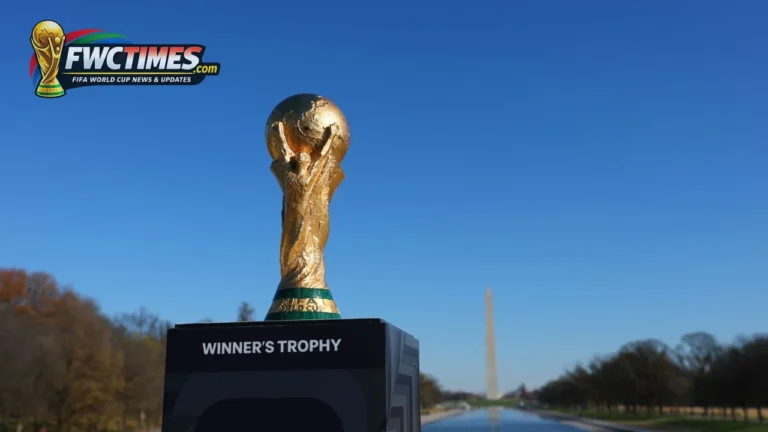
The Total Wireless World Cup ticket giveaways matter because tournament access remains a major fan concern. World Cup 2026 tickets have created heavy demand across host cities and travel corridors. A sponsor-linked sweepstakes gives some fans another route, but it is tied to local events and eligibility rules. The bigger story is how brands are using the tournament to drive community programs.
Total Spark Expands Into Five Cities
Total Spark enters its second year with a broader city footprint. Philadelphia, Compton, and Newark are new additions, while Chicago and Dallas return. The program focuses on working students through resume workshops, career coaching, and job-placement support. Each city will host three community workforce events inside local retail stores.
The program also includes nonprofit funding. One local nonprofit grantee has been selected in each city through a partnership with Empower Work. Each organization will receive a $100,000 grant. That gives the campaign a funding layer beyond the headline ticket giveaways.
| Program Detail | Confirmed Information |
|---|---|
| Cities | Philadelphia, Compton, Newark, Chicago, and Dallas |
| Events | 15 workforce development events from June through September |
| Ticket Element | Giveaway sweepstakes at the first event in four of five cities |
| Nonprofit Grants | $100,000 for one local nonprofit grantee in each city |
| Extra Support | Lyft ride credits and a $50 service credit for new activations |
Ticket Giveaways Add A Fan Access Hook
Total Wireless is using its tournament sponsorship to connect ticket access with local workforce support. The ticket giveaway sweepstakes will not replace official ticket sales, but it creates another attention point for eligible attendees. Fans still need to check event rules and entry requirements before assuming access. Sweepstakes details often decide who can enter and how winners receive tickets.
The city choices also overlap with major football and tournament audiences. Philadelphia World Cup fan planning already has a strong local event calendar around the tournament. Dallas sits near a major host venue cluster, while Chicago, Compton, and Newark add large urban audiences outside or near host-city travel flows. That spread gives the program national reach without limiting it to stadium cities only.
The workforce side keeps the program from becoming only a promotion. Events will include practical support such as resume workshops and career coaching. Working students often need help that fits around jobs, school, and transport limits. Bringing events into neighborhood retail stores can reduce the barrier to attending.
The broader World Cup in the United States commercial picture is moving fast. Sponsors are building campaigns that combine ticket demand, local presence, and social impact. Those campaigns can help fans when they provide clear entry rules and real community value. They become weaker when they use the tournament only as a branding wrapper.
The ride-credit and service-credit elements also matter. Transport can decide whether a working student can attend an event. A $50 service credit gives the campaign a direct consumer incentive for new activations. Those details show how the program connects marketing, access, and workforce support in one package.
The event calendar also gives each city several chances to reach students. Three events per city can support follow-up coaching rather than one short appearance. That matters for resume help, interview preparation, and job-placement support. A single workshop can raise interest, but repeated access can help people finish the next step.
The nonprofit grants give the program local accountability. Each selected organization receives funding that can support work beyond the sponsor event itself. That makes the city partner more than a venue provider. It also helps the program serve students who may not win tickets.
Fans should still separate official ticket sales from sponsor sweepstakes. A sweepstakes can offer access, but it is not a guaranteed ticket route. Anyone interested should read eligibility terms, event locations, and timing. The safest approach is to treat the giveaway as a bonus path while using official ticket channels for planned match attendance.
Frequently Asked Questions
Total Wireless has turned its World Cup sponsorship into a city-based workforce and ticket-access campaign. Fans should read the sweepstakes terms while treating official sales as the main route for match tickets.
Read Also: Boston Confirms Train And Bus Routes For World Cup Fans