
Toronto And Vancouver Ticket Supply Exposes Canada Price Pressure

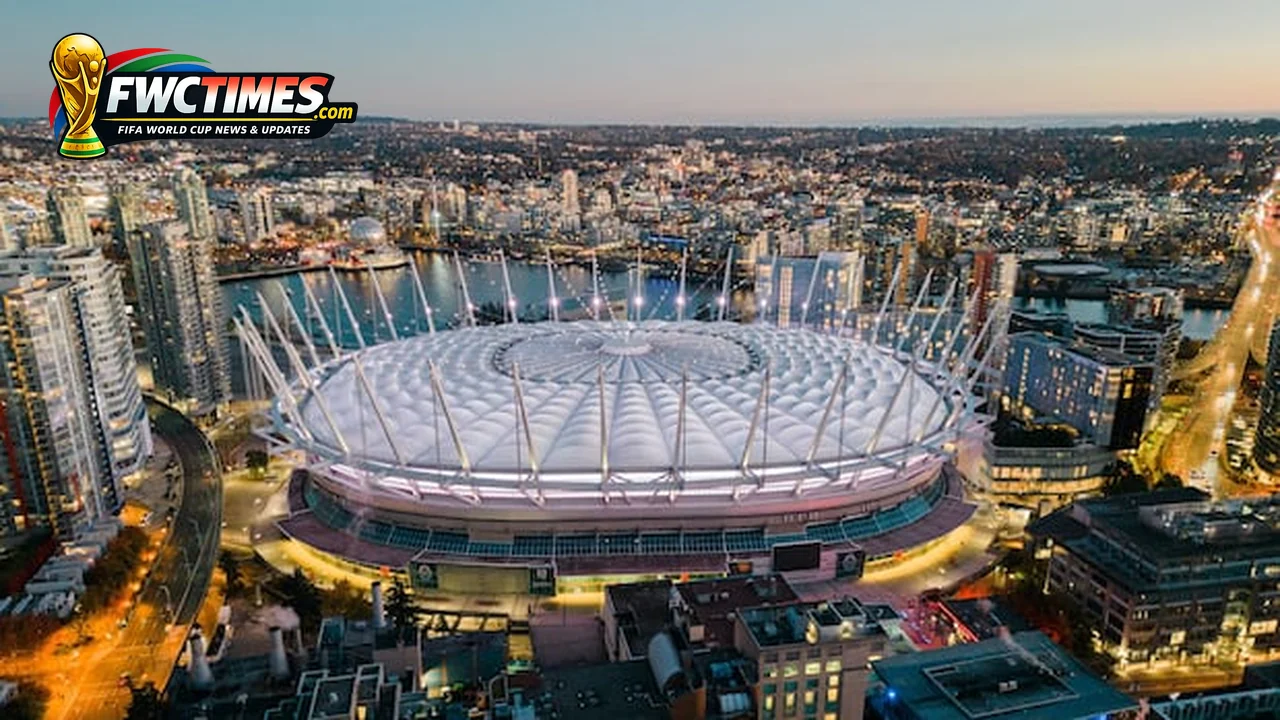
Toronto and Vancouver World Cup tickets remain available, exposing the price pressure around Canada’s host-city games. The unsold inventory has turned into a local debate about affordability, travel cost, and fan access. Canada will stage matches in both cities during the tournament. The issue now sits beside broader World Cup 2026 ticket demand.
The Canadian ticket picture does not mean interest has disappeared. It shows that demand changes when buyers face high prices, tight budgets, and city-specific travel costs. Fans may wait for resale windows, lower-priced inventory, or clearer opponent information. That waiting game can leave visible seats available longer than organizers prefer.
The tension is sharper because Canada is a host country. Local supporters expect access to the tournament in their own cities, not only premium-priced packages. FIFA’s pricing model still responds to global demand and match status. The result is a gap between local expectation and international event economics.
Why Tickets Are Still Available In Canada’s Host Cities
Toronto and Vancouver carry different travel patterns, stadium setups, and local fan bases. Toronto’s matches at Toronto Stadium sit inside a major metropolitan sports market with high accommodation demand. Vancouver games bring a different tourism and west-coast travel profile. In both cities, fans must weigh match prices against hotels, transport, and time off work.
Vancouver also has a strong public-event calendar around the tournament, including fan viewing plans and city activations. Supporters who cannot afford match tickets may still join free or lower-cost public events. BC Place remains a central venue, and FWCTimes has separate planning pages for BC Place seating and transport. That gives fans options beyond stadium entry.
| Canada Host City | Ticket Pressure Point | Fan Planning Angle |
|---|---|---|
| Toronto | High city demand and major-event pricing | Compare match price with hotels and local transit |
| Vancouver | Tourism cost and west-coast travel pressure | Check BC Place access and public viewing options |
| Both Cities | Inventory still available for some matches | Watch official sales and resale windows |
What Price Pressure Means For Local Supporters
Local supporters often judge tickets through a different lens than international visitors. A travelling fan may treat a match as the center of a holiday, while a local fan compares it with normal sports pricing. That difference can create slower demand for expensive seats. It can also push buyers toward single-match choices instead of multiple games.
The official resale path will matter if buyers wait for movement closer to kickoff. Fans should avoid unofficial listings that cannot guarantee entry. The safest route is still the official FIFA sales and resale system. FWCTimes keeps a full World Cup 2026 tickets guide for phased buying and resale checks.
The Canadian issue also shows why opponent announcements matter. A match involving a high-demand team can change the price conversation quickly. Local demand may rise when fans see a team they support or a star player attached to a fixture. Until then, some buyers will keep cash aside.
Why This Is Not Just A Canada Problem
World Cup pricing pressure can appear in any host city when premium demand outruns local affordability. The 2026 tournament uses large stadiums, dynamic interest, and global travel demand. That creates strong top-end pricing but also leaves questions around accessible inventory. Canada’s situation makes the tension more visible because the matches sit in two high-cost cities.
The larger lesson is that host-city access depends on more than seat availability. Fans also need transport, hotels, food, and time. A ticket that looks available online may still sit outside a household budget after the rest of the trip is added. Organizers will need public viewing and community access programs to keep local engagement high.
The Canadian teams and city partners can still benefit if public events feel open and useful. Free screenings, transit clarity, and local activations can keep people connected even without a stadium seat. That does not replace a match ticket, but it reduces the sense that the event belongs only to visitors. Canada needs that balance because the tournament will shape football interest after 2026.
What Fans Should Watch Next
Fans should watch for official resale details, new ticket releases, and city-specific public viewing announcements. Late sales can move quickly when matchup interest rises. Buyers should compare total trip cost before chasing a seat in another city. A lower ticket price may not matter if hotels and flights erase the saving.
Local supporters should also check whether youth, community, or sponsor ticket programs expand in either city. These programs can create targeted access outside normal high-price inventory. They will not solve every affordability concern, but they can make the tournament feel less distant. The best fan strategy is to track official channels and avoid panic purchases.
Toronto And Vancouver Tickets FAQs
Frequently Asked Questions
Toronto and Vancouver ticket availability has turned affordability into a real host-country story. The next sales moves will show whether pricing adjusts to local demand or stays tied to global buying power.
Stay tuned to FWCTimes.com for the latest FIFA World Cup 2026 updates.
Read Also: World Cup Public Health Travel Measures Put Entry Rules Back In Focus