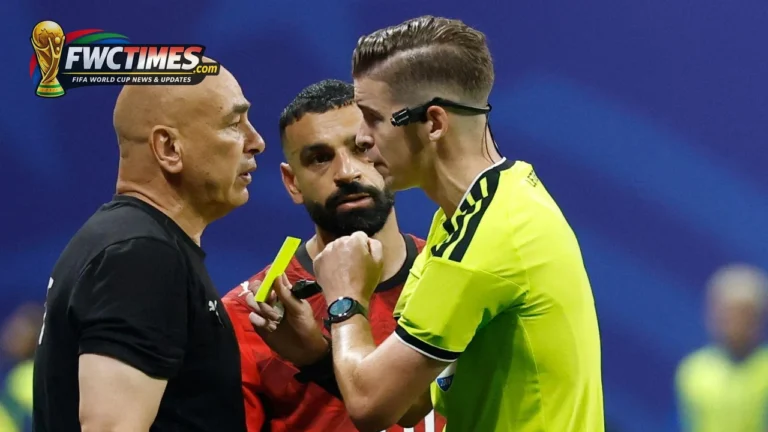
South Africa Heat Test Puts Broos Under Pressure

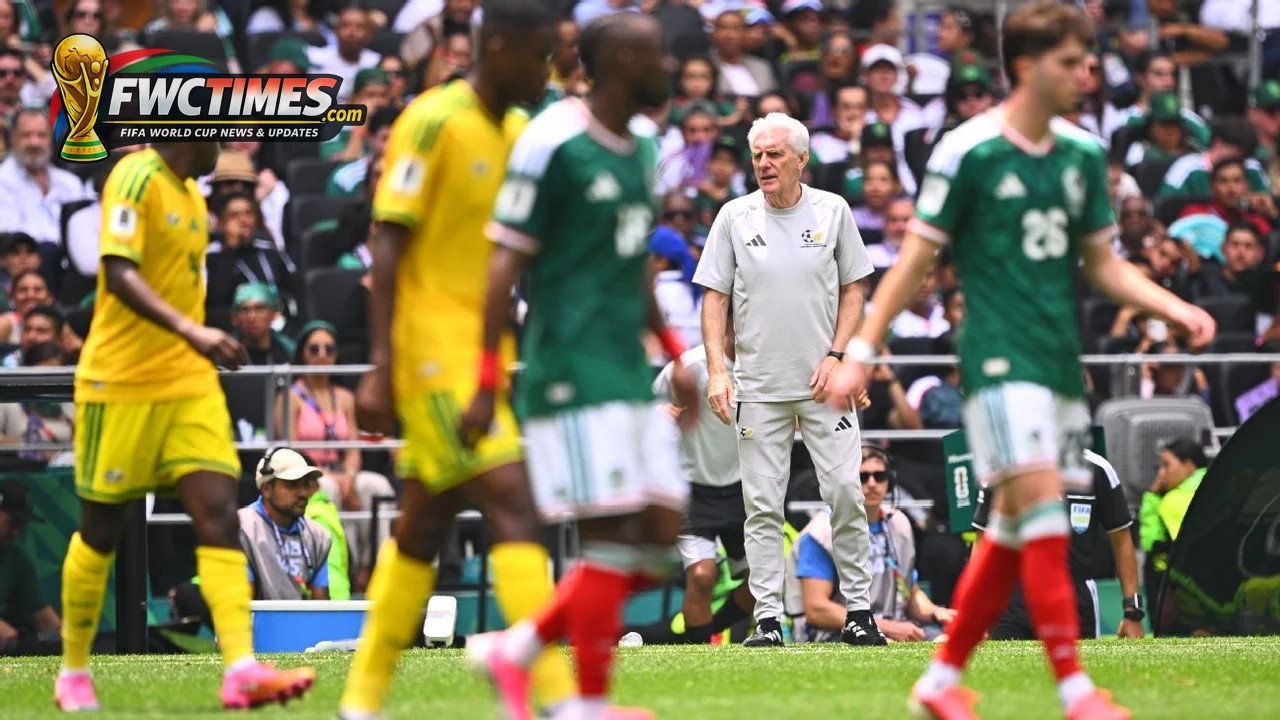
South Africa heat test has become a central issue before Bafana Bafana’s crucial World Cup match in Monterrey. Hugo Broos said his players must adapt to difficult conditions as the tournament reaches a pressure point. South Africa need a sharper performance after earlier group strain. The weather now sits beside tactics as a real match factor.
The next test against South Korea comes in a city where heat can change tempo, pressing and substitutions. Broos has to manage fatigue while still asking his team to compete with intensity. At FIFA World Cup 2026, climate is not a background detail. It shapes how teams run, recover and survive late phases.
Broos Has To Manage Energy Before Tactics
South Africa’s first challenge is physical. A team can prepare a pressing plan on paper and then lose it after 25 minutes in heavy heat. Broos knows the match may require controlled bursts rather than constant pressure. That demands discipline from midfield and wide players.
The heat also affects substitution timing. Coaches can no longer wait only for tactical problems before making changes. They have to read body language, recovery runs and concentration levels. One tired defender can open the channel that decides the match.
South Africa need the ball for longer spells than they managed in earlier pressure moments. Possession can become a defensive tool when conditions punish chasing. That does not mean slow football. It means choosing when to accelerate instead of playing every attack at the same speed.
The wider group race gives South Africa little room for a cautious defeat. They need points and possibly goal-difference protection. Heat management cannot become an excuse for passive football. It has to become part of the plan.
South Korea Can Turn Conditions Into A Test Of Discipline
South Korea bring speed and technical quality, which can stress a tired opponent. If South Africa lose their distances, passing lanes will open quickly. Broos needs his defensive unit to move together and avoid chasing lost causes. Heat punishes scattered pressing more than compact defending.
Set pieces could become more important as open-play intensity drops. South Africa need clean delivery, strong second-ball reactions and fewer cheap fouls around the box. South Korea can punish careless defending if Bafana Bafana lose concentration. That makes mental freshness as important as legs.
The Monterrey conditions also place responsibility on senior players. They have to control tempo, calm rushed teammates and recognize when the team needs a reset. Young players can bring energy, but tournament heat demands judgment. Broos will need both qualities on the pitch.
Fans using World Cup tickets in Mexico should expect more matches where conditions shape the football. South Africa’s match is one of the clearest examples. The side that handles the heat with smarter decisions may control the final 20 minutes. That period could decide qualification hope.
| Match Factor | Current Impact |
|---|---|
| Team | South Africa |
| Coach | Hugo Broos |
| Condition Issue | Sweltering Monterrey heat affects tempo and recovery |
| Next Opponent | South Korea |
The match will test South Africa’s planning as much as their talent. Broos must decide how hard to press, when to slow the game and when to use the bench. Those choices will define whether the team survives late pressure. Conditions will punish poor timing.
South Africa still have a path, but the performance must look more controlled. They need structure, patience and sharper final-third choices. Heat will not decide everything by itself. It will expose which team manages stress better.
Frequently Asked Questions
South Africa need more than effort in Monterrey; they need a heat-aware plan that holds until the final whistle.
Stay tuned to FWCTimes.com for the latest FIFA World Cup 2026 updates.
Read Also: Australia Selection Shake-Up Looms For Paraguay Decider