Paraguayan Broadcaster Credentials Revoked By FIFA

Paraguayan Broadcaster Credentials were revoked by FIFA after Jorge “Chipi” Vera’s on-air outburst during Paraguay’s match against Turkiye. The incident followed Miguel Almiron’s first-half red card, which came after an exchange with Mert Muldur. FIFA treated the broadcast reaction as serious enough to remove Vera’s access. The decision adds a media-discipline story to Paraguay‘s tense Group D finish.
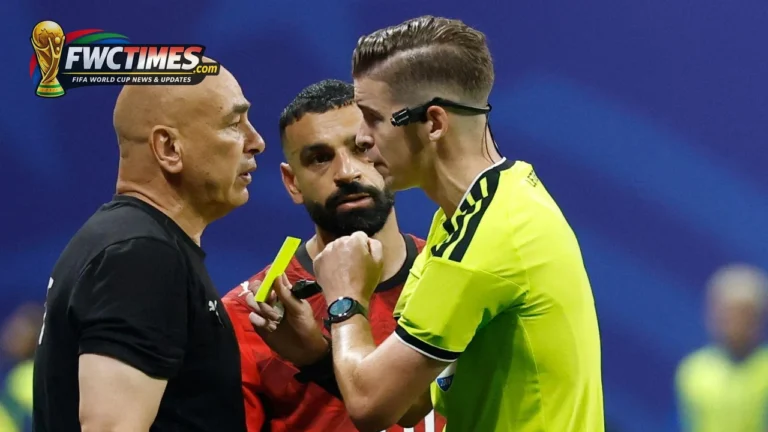
Almiron’s dismissal became a tournament flashpoint because it was linked to FIFA’s anti-racial-abuse procedure. The referee showed red after Almiron appeared to cover his mouth while speaking toward Muldur. Vera then directed a profanity-filled reaction at match officials and senior football leaders on air. He later apologized on social media, but FIFA still removed his credential.
Why The Credential Decision Matters
Credential removal is not the same as a match suspension, but it carries real consequences. A broadcaster without FIFA access cannot work normally inside official World Cup venues. The action also sends a warning to media teams covering emotional matches. Tournament access depends on conduct as well as assignment.
Vera’s case became larger because it involved multiple layers. The red card, anti-abuse protocol, referee decision and broadcast language all met in one moment. FIFA has spent the tournament trying to make disciplinary rules visible. A loud broadcaster reaction against those rules created an obvious confrontation.
ABC Cardinal reportedly appealed the decision, which shows the broadcaster wants access restored. Vera said he planned to watch Paraguay’s next match against Australia from the stands at Levi’s Stadium. That detail underlines the difference between fan access and media access. FIFA removed the professional credential, not his ability to attend as a spectator.
The case also arrives before a decisive match against Australia. Paraguay need a strong final-day result to secure their route. Media noise around Vera’s credentials can distract from the football. Gustavo Alfaro’s squad need attention back on the pitch quickly.
How Almiron’s Red Card Created A Wider Debate
Almiron’s red card was already controversial before the broadcast reaction. FIFA’s anti-racial-abuse effort gives referees tools to act when players report or identify abusive language. The challenge comes when viewers cannot hear the words or see the full exchange. That leaves television audiences reacting to a decision without all evidence.
Paraguay supporters were angry because the dismissal changed the match. Losing a key attacking player in the first half affects shape, pressure and substitutions. Turkiye could manage the game with a numerical advantage. Those football effects fed the emotional reaction around the call.
FIFA also has to protect officials and anti-abuse procedures while keeping public trust. The FIFA World Cup broadcasting rights environment puts every reaction in front of global audiences. Commentators can criticize decisions, but personal attacks create a different issue. Vera crossed the line FIFA was prepared to enforce.
The story now sits beside the broader FIFA World Cup 2026 tension between passion and control. Fans want raw emotion from local broadcasters. Tournament organizers want discipline around officials, players and anti-discrimination processes. This case shows how quickly those interests can collide.
| Issue | Confirmed Update |
|---|---|
| Broadcaster | Jorge “Chipi” Vera |
| Trigger | Reaction to Miguel Almiron’s red card against Turkiye |
| FIFA Action | World Cup media credentials revoked |
| Next Paraguay Match | Paraguay vs Australia at Levi’s Stadium |
The incident will stay relevant because Paraguay still have qualification work to do. A broadcaster controversy can become background noise, but it also feeds the emotion around the national team. The squad’s better response is a performance that changes the conversation. That requires control from the first minute.
FIFA’s response also gives media teams a clear lesson. Strong criticism can stay within analysis, but personal attacks risk access. The tournament needs commentary with edge, yet official credentials come with limits. Vera’s case has made those limits public.
Frequently Asked Questions
FIFA’s credential decision turns a heated broadcast moment into a warning for the rest of the tournament.
Stay tuned to FWCTimes.com for the latest FIFA World Cup 2026 updates.
Read Also: Curacao World Cup Debut Ends After Ivory Coast Loss