
MetLife Stadium Parking Ban for World Cup 2026 Final

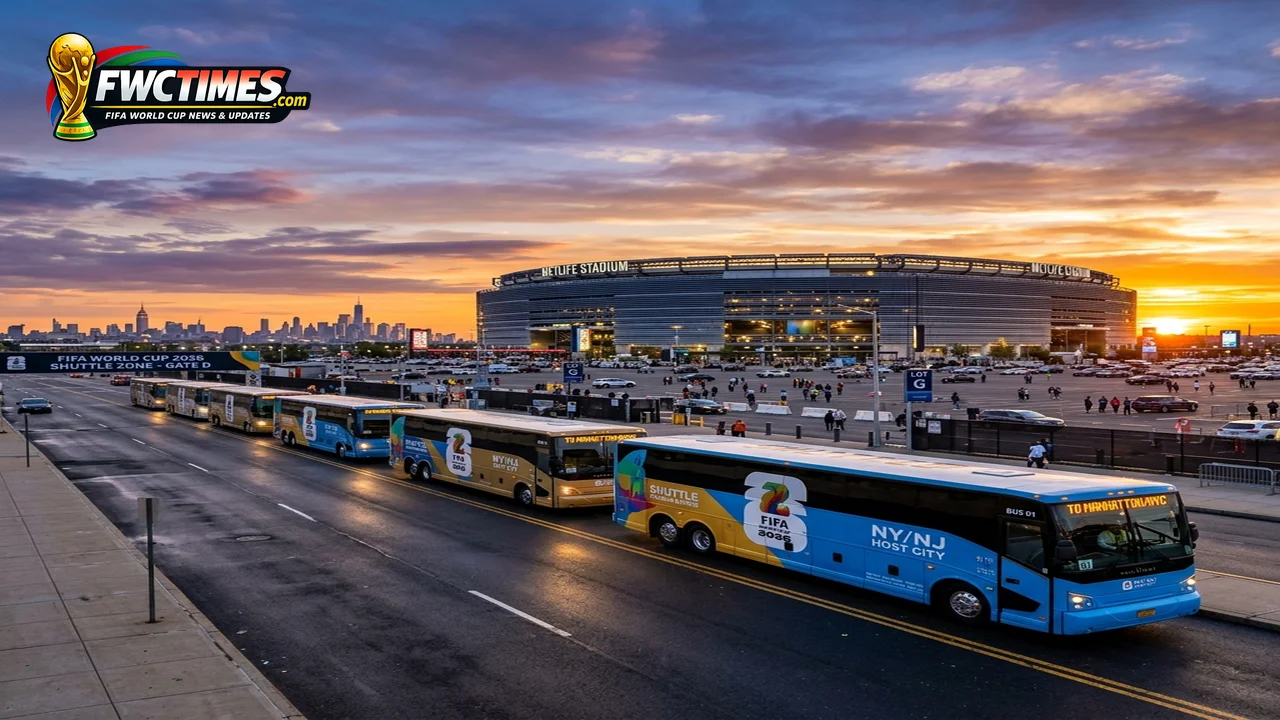
In a major logistical shift for the FIFA World Cup 2026, officials have confirmed that there will be zero on-site parking available for fans at MetLife Stadium during the tournament. This decision, which applies to all matchdays including the high-profile final, is part of a broader “public transit only” mandate designed to ensure the safety and efficiency of the event. To accommodate the hundreds of thousands of supporters expected in the New York New Jersey area, a new $20 round-trip shuttle bus service has been announced. This strategic move highlights the massive infrastructure challenges associated with hosting the world’s largest sporting event in one of the most densely populated regions in North America.
Quick Answer: Is there parking at MetLife Stadium for the World Cup 2026?
No, there is a total parking ban for private vehicles at MetLife Stadium for all World Cup 2026 matches. Fans are required to use public transportation, including NJ Transit rail services or the newly announced $20 official shuttle buses, to reach the venue. This policy is intended to prevent gridlock and ensure a smooth flow of traffic for emergency services and official delegations.

The Public Transit Mandate for the World Cup Final
The decision to ban private parking at the New York New Jersey Stadium (MetLife Stadium) represents one of the most aggressive transit strategies in World Cup history. Local organizing committees and FIFA officials have determined that the existing road infrastructure surrounding the Meadowlands complex cannot sustain the volume of private vehicles expected for the final. By implementing a total parking ban, authorities can dedicate more road space to official FIFA News standard shuttle fleets and emergency responders. This “transit-first” approach is similar to the strategies used in previous global events such as the Olympics, ensuring that the fan experience is not marred by multi-hour traffic delays.
Security is another primary factor driving the parking ban. Clearing the stadium’s massive parking lots allows for a larger security perimeter, enabling more thorough screening of fans before they reach the stadium gates. This proactive measure is essential for an event of the World Cup’s magnitude, particularly for the final match which will be watched by billions globally. Fans are encouraged to view the lack of parking as a benefit, as it eliminates the stress of navigating the complex New Jersey highway system on matchday. The FIFA World Cup 2026 is setting a new standard for sustainable and secure event logistics in North America.
Official statements from NJ Transit indicate that rail capacity will be significantly increased to handle the demand. Additional trains will run between Secaucus Junction and the Meadowlands Station, providing a direct link to the regional rail network. However, rail alone is not expected to be sufficient, which is why the shuttle bus system is being prioritized as a secondary backbone for the transit plan. This multi-modal approach ensures that even in the event of a rail disruption, fans have a reliable way to reach the stadium. The coordination between state and local agencies is unprecedented, reflecting the high stakes of the 2026 campaign.
The $20 Shuttle Bus Solution
To provide a cost-effective and reliable alternative to rail, officials have launched a dedicated shuttle bus network with a flat $20 round-trip fare. These buses will operate from several key hubs across the region, including Manhattan, Newark, and Jersey City. By offering a subsidized rate, the organizing committee aims to make the “public transit only” mandate more palatable for fans who might otherwise have preferred to drive. These shuttles will benefit from dedicated “event-only” lanes on major highways, significantly reducing travel times compared to private vehicles. This logistical innovation is a central part of the tournament’s commitment to accessibility and fan satisfaction.
The shuttle service will utilize a fleet of modern, air-conditioned coaches equipped with GPS tracking, allowing fans to monitor their bus in real-time via the official World Cup app. This integration of technology and transportation is a hallmark of the 2026 organizing effort. Fans must book their shuttle seats in advance to ensure availability, as demand is expected to be extremely high. The $20 price point is a result of collaboration between the host cities and corporate sponsors who are eager to support a smooth and sustainable transit experience. For fans staying in New York City, these shuttles represent the most convenient way to cross the Hudson River and reach the Meadowlands on matchday.
Beyond the core hubs, additional satellite parking lots will be established in more remote areas of New Jersey, where fans can park their cars and board a shuttle for the final leg of the journey. This “park and ride” model allows for the benefits of private travel without the congestion of the stadium’s immediate vicinity. These satellite lots will be heavily guarded and will feature fan amenities such as restrooms and refreshment stands. The goal is to provide a seamless transition from private travel to the official World Cup transit network, ensuring that every fan arrives at the stadium relaxed and ready for the match.
Future of Transit in the Meadowlands
The infrastructure upgrades required for the World Cup are expected to have a lasting positive impact on the Meadowlands region. The increased rail capacity and improved bus lanes will remain in place after the tournament, benefiting local commuters and fans of the stadium’s primary tenants. The successful implementation of the 2026 transit plan could serve as a blueprint for other major events at MetLife Stadium, potentially leading to a permanent reduction in on-site parking dependence. This legacy of improved public transportation is one of the most tangible benefits of hosting the World Cup in the New York New Jersey area.
Organizers are also exploring the use of water taxis and ferries to transport fans from Manhattan to various landing points in New Jersey, where they can then board a short shuttle. This would provide a scenic and uniquely New York experience for international visitors. While the primary focus remains on rail and bus, these creative alternatives reflect the “all-hands-on-deck” approach being taken by the host committee. The sheer scale of the 48-team tournament requires a level of creativity and coordination that has never been seen before in the region’s sporting history. The commitment to a parking-free final is a bold step toward a more modern and efficient World Cup experience.
As the countdown to the final on July 19, 2026, continues, fans are urged to familiarize themselves with the transit options early. The FMF and US Soccer have produced several instructional videos and maps to help international visitors navigate the complex New York transit system. The message is clear: leave the car at home and enjoy the ride. The 2026 World Cup is more than just a series of football matches; it is a test of North America’s ability to host the world with grace and efficiency. MetLife Stadium’s parking ban is a critical piece of that puzzle, ensuring that the focus remains on the action on the pitch rather than the gridlock on the road.
Host city officials expect to release final matchday transit schedules by late 2026 as the tournament countdown intensifies.
Stay tuned to FWCTimes.com for the latest FIFA World Cup 2026 updates.
Read Also: US Announces Visa Bond Relief for African World Cup Fans