
US Announces Visa Bond Relief for African World Cup Fans

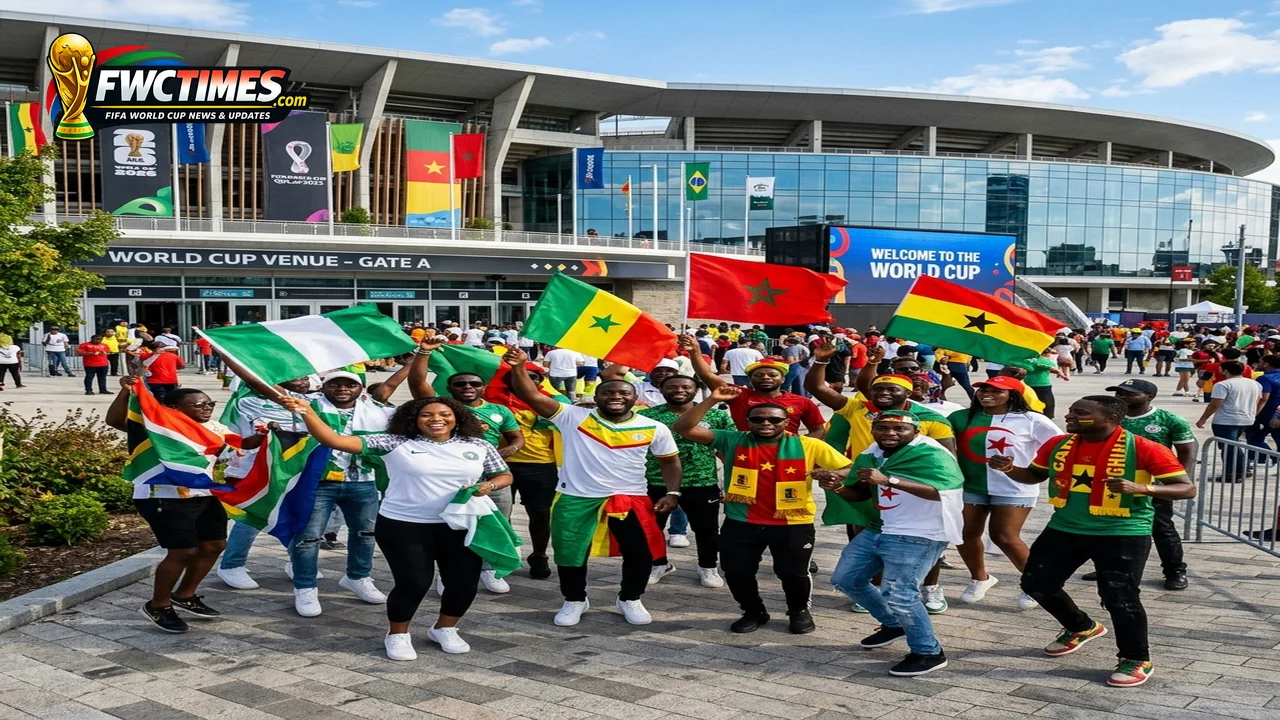
The United States Department of State has officially announced a significant visa bond exemption for football fans from five African nations traveling to the US for the FIFA World Cup 2026. This landmark decision aims to streamline the entry process for supporters from Algeria, Cabo Verde, Ivory Coast, Senegal, and Tunisia. By removing the financial bond requirement for B-1/B-2 visa applicants from these regions, the US government is seeking to ensure a more inclusive and diverse atmosphere for the tournament. This policy change is a direct response to logistical concerns raised by international sporting bodies and human rights organizations regarding travel accessibility.
Quick Answer: Who is exempt from the US visa bond for World Cup 2026?
Fans from Algeria, Cabo Verde, Ivory Coast, Senegal, and Tunisia are now exempt from the US visa bond requirement if they are registered ticket holders and utilize FIFA’s expedited visa processing system. This relief is designed to reduce the financial burden on supporters traveling from the African continent to the FIFA World Cup 2026 host cities.
Strategic Shift in US Immigration Policy for 2026
The decision to waive visa bonds for these five nations represents a strategic shift in how the United States manages high-volume international events. Historically, visa bonds have been used as a security measure to ensure that visitors return to their home countries. However, for the World Cup 2026, authorities are prioritizing the global spirit of the game. By integrating with FIFA’s digital ID and ticketing systems, the US Department of State can now verify the legitimacy of travelers with greater precision, allowing for the removal of traditional financial barriers. This move has been widely praised across Football News networks as a major victory for international fan culture.
Logistical experts note that this exemption will significantly impact the fans of Senegal and the other four nations, who have historically faced complex administrative hurdles when traveling to North America. The expedited system will allow for faster interview scheduling and document verification, ensuring that fans can finalize their travel plans months in advance. The US government is also working on dedicated support tracks for World Cup visitors at consulates across Africa to handle the expected surge in applications. This proactive approach is designed to prevent the backlogs that have plagued previous international travel windows.
Furthermore, the exemption is tied to the enrollment in FIFA’s “World Cup Pass” system, which provides a comprehensive digital record of a fan’s tournament activity. This system serves as a modern alternative to the financial bond, providing authorities with real-time data on entry and exit points. By leveraging technology, the US is able to maintain a high level of security while offering a more welcoming environment for the global footballing community. The FMF and other regional governing bodies have expressed their support for this initiative, recognizing its potential to increase the cultural diversity of the stadium crowds in cities like New York and Atlanta.
Economic and Cultural Benefits for Host Cities
The inclusion of diverse fan bases is expected to provide a significant economic boost to the 11 US host cities. Fans from Algeria and Ivory Coast are known for their vibrant and passionate support, which translates into increased spending on local hospitality, tourism, and transportation. By making it easier for these fans to travel, the US is ensuring that the tournament remains a truly global festival. Local organizing committees are already preparing specialized welcome programs and fan zones that celebrate the heritage and footballing traditions of the participating African nations.
Cultural organizations in the United States have also highlighted the importance of this policy in building long-term ties between North America and the African continent. The World Cup provides a unique platform for cultural exchange, and the presence of thousands of African fans will enrich the matchday experience for everyone involved. This development comes as a stark contrast to Canada’s proposed visa bond policy, which has faced criticism for its potential to limit fan diversity. The US’s decision to provide relief could set a precedent for other host nations to follow as the tournament draws closer.
The economic impact also extends to the airline industry, which is expecting a significant increase in trans-Atlantic bookings following the visa relief announcement. Major carriers are already exploring additional routes and seasonal capacity increases to accommodate the influx of fans from the five exempted nations. This commercial ripple effect is a testament to the power of the World Cup to drive global economic activity. The FMF and US Soccer are working in tandem to ensure that the infrastructure in host cities is fully prepared to handle the logistics of a more accessible tournament.
Looking Ahead: The Road to the Opening Match
As the countdown to the opening match in June 2026 continues, the US government is expected to monitor the effectiveness of the visa bond exemption closely. If the system proves successful, there is a possibility that the relief could be extended to other qualified nations in the future. The current focus remains on ensuring that the fans from the first five nations can navigate the process without significant administrative friction. FIFA officials are reportedly providing on-the-ground support to national federations in Africa to help fans understand the new requirements and take advantage of the expedited system.
For the players of teams like Tunisia and Cabo Verde, knowing that their fans will be in the stands is a significant morale booster. The atmosphere of a World Cup match is often defined by the presence of dedicated supporters, and the US’s policy ensures that these teams will not be playing in front of empty sections. The tactical advantage of a strong home-like support system can never be underestimated in a tournament of this scale. The FMF has noted that the vibrancy of the crowds in Mexico and Canada will also be enhanced by the cross-border travel of these international fans.
In the coming months, the US Department of State will release detailed guidelines on the enrollment process for the World Cup Pass. Fans are encouraged to begin their application process as soon as their tickets are confirmed to avoid any last-minute delays. The commitment of the host nations to a smooth and inclusive entry process is a positive sign for the future of the 48-team World Cup. The 2026 edition is shaping up to be a historic celebration of global unity, driven by smart policy and a shared passion for the world’s most popular sport.
Frequently Asked Questions
Which African nations are exempt from the US visa bond?
Fans from Algeria, Cabo Verde, Ivory Coast, Senegal, and Tunisia are exempt from the US visa bond requirement for the World Cup 2026.
How do fans qualify for the US visa bond exemption?
To qualify, fans must be registered ticket holders and enroll in FIFA’s expedited visa processing system through the World Cup Pass platform.
Is the B-1/B-2 visa bond standard for other visitors?
Yes, the visa bond is often required for visitors from certain countries to ensure their return, but this special exemption has been made specifically for the 2026 World Cup.
The US Department of State expects to process thousands of applications under this new system as the tournament preparations enter their final year.
Stay tuned to FWCTimes.com for the latest FIFA World Cup 2026 updates.
Read Also: Canada Proposes Visa Bond for World Cup 2026 Visitors