MetLife Stadium LEED Gold Push Sharpens World Cup Sustainability Story

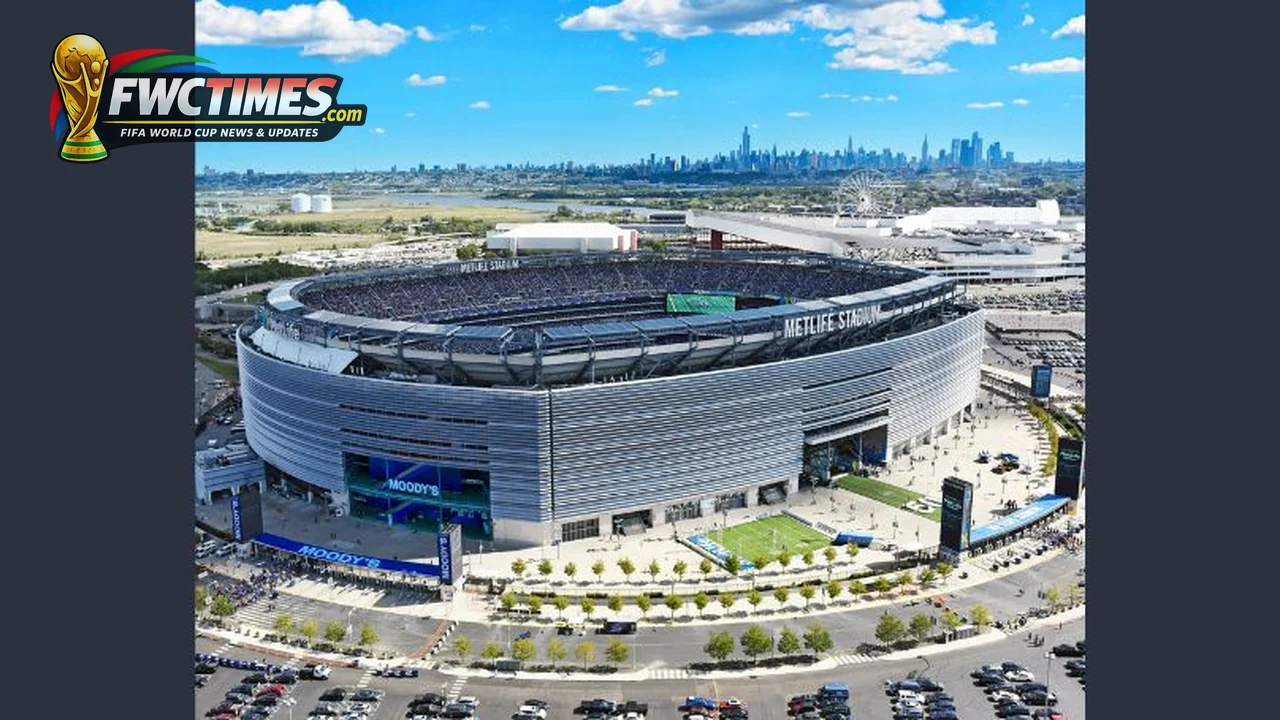
MetLife Stadium have pushed their LEED Gold status back into the World Cup spotlight ahead of the 2026 tournament. The venue will host eight matches, including the final, so any operational claim carries more weight here than at a standard stadium. Sustainability is not a side topic for a final venue. It becomes part of the tournament’s public identity.
The latest venue push lands as supporters keep building plans around New York New Jersey Stadium and the wider FIFA World Cup 2026 calendar. The venue says the certification followed detailed performance tracking across energy, waste and transport operations. That matters because the World Cup will test stadium systems at full pressure. A sustainability badge means little unless matchday performance holds up when the crowds arrive.
Why The Final Venue Gets Held To A Higher Standard
MetLife are not promoting a decorative label. They are promoting a venue standard that must survive the busiest month on the calendar. A final host carries extra scrutiny from fans, broadcasters and tournament organizers at once. Small operational failures look larger there than anywhere else.
The venue’s sustainability case rests on practical systems rather than abstract promises. Officials highlighted solar integration, LED lighting, support for hybrid and electric vehicles, food-waste handling and a wider recycling program. Those details matter because they affect real matchday volume. A green story becomes credible only when it connects to heavy-use operations.
Travel pressure will be part of that test from the first week, especially for supporters learning how to get to MetLife Stadium before the region fills up. A sustainability claim has to survive transport load, concession demand and post-match cleanup. It cannot live only in a press release. World Cup crowds expose anything that is merely cosmetic.
The eight-match schedule also changes the scale of the challenge. One-off event planning can hide weak routines. Repeated tournament operations cannot. MetLife need the same systems to work again and again under international demand.
The World Cup Is Also Testing How Venues Explain Their Legacy
Fans usually judge stadiums through seats, sightlines and price pressure, which is why the wider World Cup tickets debate still shapes venue perception. Yet legacy questions matter more as tournaments get larger. Host sites now have to explain what remains useful after the final whistle. Sustainability is one answer to that demand.
MetLife’s timing shows that venue legacy is no longer only about architecture or revenue. It is also about whether a stadium can handle major events with stronger operational discipline. That is a tougher standard because it requires proof, not slogans. World Cup venues know they will be judged on both spectacle and systems.
There is also an image issue for the tournament itself. FIFA are taking a giant event across three countries, 16 stadiums and a long calendar. A final venue with a verified sustainability milestone gives organizers a stronger public line when environmental questions surface. That does not close the debate, but it does give them harder evidence.
The final lesson is simple. MetLife want the venue story to be bigger than one Sunday in July. By leaning into LEED Gold now, the stadium are trying to say the World Cup final should sit inside a longer operational legacy. The tournament will decide whether that claim feels earned.
| Venue Detail | Confirmed Update |
|---|---|
| Certification | LEED Gold under the current operations and maintenance framework |
| World Cup workload | Eight matches including the 2026 final |
| Highlighted systems | Energy, waste, recycling and transport-related operations |
| Main challenge | Keeping those standards intact under tournament-scale crowds |
The table matters because it shifts the story from branding to workload. A final venue does not get credit for saying the right things. It gets judged on whether its systems still look strong after repeated high-demand matchdays. That is the real test now facing MetLife.
Supporters will still measure the stadium in their own way through queues, transport flow, food service and the feel of the event. Those are not separate from sustainability. They are often the most visible proof of whether a venue’s planning is serious. Good systems usually feel smoother on the ground.
So the LEED Gold push is useful only if it survives the World Cup in public view. MetLife have set the standard they want to be judged by. July will show whether the stadium can live up to it.
Frequently Asked Questions
MetLife have set an ambitious frame for their World Cup role. The next step is proving that the final venue can carry sustainability and scale at the same time.
Stay tuned to FWCTimes.com for the latest FIFA World Cup 2026 updates.
Read Also: World Cup Grass Plan Turns 16 Stadiums Into A Turf Test