Man City World Cup Players Set Club Benchmark With 19 Call-Ups

Man City World Cup Players have become a club benchmark after 19 currently contracted players received tournament call-ups. Manchester City sit at the top of the club representation chart for the 2026 finals. The number underlines how deep Pep Guardiola’s squad reaches across national teams. It also raises workload questions before the next club season.
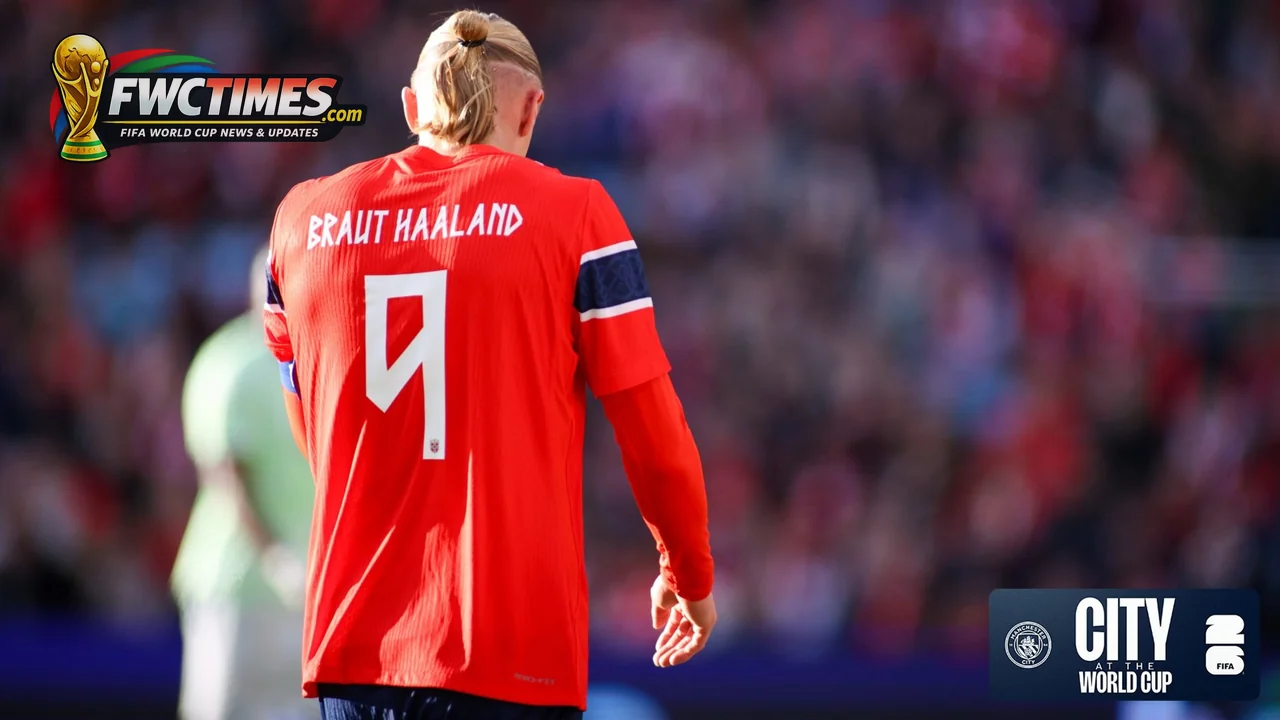
The 48-team FIFA World Cup increases the pool of players involved, but City’s figure still stands out. Erling Haaland gives Norway one of the tournament’s biggest individual storylines. Other City players spread across several national-team setups. That makes the club a constant part of the tournament conversation.
Why 19 Call-Ups Matter For City
A high call-up total shows squad quality, but it also shows exposure. City players will face different climates, travel plans and match loads across the tournament. Some could play deep into July. That creates a recovery problem for the club after the final.
The record-style figure also shows how elite clubs now function as national-team supply lines. City do not only produce one or two headline players. They carry defenders, midfielders and forwards who fit different international systems. That depth explains why the club appears across so many fixtures.
Haaland’s presence gives the chart extra attention. Norway return with a striker who can change a group-stage match quickly. City fans may follow Norway for him, but the club’s tournament footprint goes far beyond one player. That is what makes 19 such a striking number.
The Premier League angle is strong too. English clubs supply a large share of tournament talent, and City sit at the front. England also carry several players from top domestic clubs. The overlap between club identity and national-team interest will shape viewing habits.
The Workload Risk After The Tournament
City’s coaching staff will watch minutes as carefully as results. Players who go far in the knockout rounds may return late to club preparation. That can affect preseason load, injury risk and early domestic rhythm. A club can celebrate call-ups and still worry about the calendar.
The risk is not only physical. Players return from major tournaments with different emotional states. Some come back lifted by deep runs, while others carry disappointment. Guardiola’s staff must reset that group quickly. The more players involved, the more complex that work becomes.
Fans tracking club players should also follow FIFA World Cup broadcasting rights because City names will appear across many time slots. A club supporter may need to follow several nations. That creates a different viewing pattern from normal league football.
The call-up total can also affect ticket interest. A neutral fan may buy World Cup tickets because a familiar club player appears in a match. City’s wide spread gives more matches that kind of pull. Club loyalty will travel into the World Cup stands.
| Club Representation Detail | Reported Figure |
|---|---|
| Top Club | Manchester City |
| Reported Call-Ups | 19 players |
| Key Name | Erling Haaland with Norway |
| Main Club Issue | Post-tournament recovery and workload |
The number gives City bragging rights, but the football impact will arrive later. A long World Cup can leave elite players short on rest. Clubs with many call-ups need careful re-entry plans. City will face that problem more than most.
The tournament also gives City a global marketing boost. Their players will appear in different shirts, languages and broadcast windows. That visibility reinforces the club’s international pull. The price is a busier summer for the squad.
The expanded format makes the record more meaningful. More qualified teams create more places for elite club players across different regions. City benefit because their squad includes national-team starters from several football cultures. The club cannot track its tournament group through one country only.
Haaland gives the story a clear individual hook, yet the City list is wider than one forward. Defenders, midfielders and attackers will carry different roles for their countries. Some will dominate possession, while others defend deeper. That variety makes the club recovery plan harder.
Frequently Asked Questions
City’s World Cup footprint is a strength marker, but the recovery plan after July will matter just as much.
Stay tuned to FWCTimes.com for the latest FIFA World Cup 2026 updates.
Read Also: Turkey Training Site Puts Mesa In World Cup Base Camp Spotlight