MagentaTV Confirms HDR Production Chain For World Cup 2026

MagentaTV will run its World Cup 2026 production chain in HDR for German viewers. The plan covers the full workflow from production handling to broadcast delivery. It positions the tournament as a major technical step for live football coverage in Germany. The move also increases pressure on fans to check device and subscription readiness before June 11.
The MagentaTV World Cup 2026 HDR update matters because picture quality has become part of the viewing experience. Fans following World Cup 2026 at home now expect sharper contrast, cleaner motion, and stronger colour depth. HDR does not change the football, but it changes how fast action, floodlights, and crowd scenes appear on screen. That makes the production workflow more than a back-office detail.
HDR Coverage Raises The Bar For German Viewers
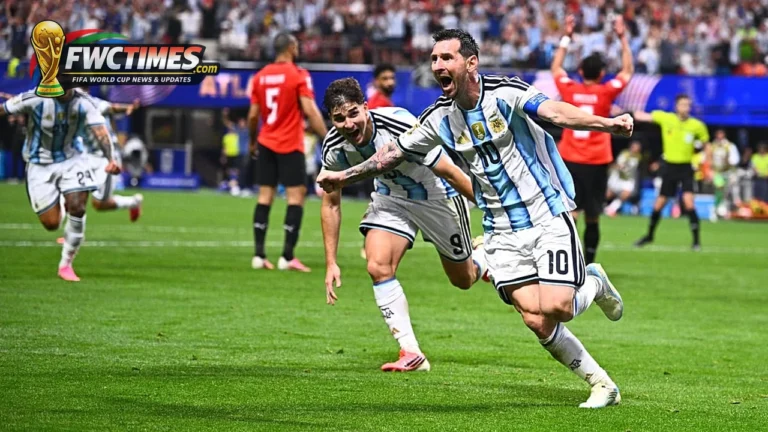
HDR production gives broadcasters a wider brightness and colour range than standard dynamic range. Live football benefits because the picture has to handle green pitches, bright advertising boards, shadows, and fast camera movement. If the chain works correctly, viewers with compatible screens should see more detail in both dark and bright areas. That is valuable during night matches and indoor broadcast studio segments.
The production-chain wording is important. A broadcaster can show isolated HDR elements without running a full HDR operation. A full chain means more of the technical path stays aligned from capture and processing to delivery. That reduces the chance that the final picture loses the benefit before reaching viewers.
| Broadcast Area | What The HDR Plan Means |
|---|---|
| Production Workflow | More of the live tournament chain is handled in high dynamic range |
| Viewer Setup | Fans need compatible screens, apps, and boxes to see the benefit |
| Match Presentation | Fast action, floodlights, and crowd scenes can carry more detail |
| Germany Coverage | The update strengthens MagentaTV’s World Cup technical offer |
Fans Still Need The Right Setup At Home
HDR only helps if the viewer’s device path supports it. A compatible television, streaming box, app version, and internet connection all matter. Fans using older devices may still receive a normal stream. That is why German viewers should test their login and hardware before opening night.
The update also connects with wider World Cup broadcasting rights interest. Broadcasters are using the expanded 104-match tournament to show technical depth as well as match volume. Streaming reliability, language feeds, picture formats, and app access now shape fan satisfaction. HDR becomes one more marker in that competition.
The tournament schedule creates another technical challenge. Matches will run across several time zones in the United States, Canada, and Mexico. A broadcaster needs a stable workflow across different kickoff windows, venues, and production conditions. The value of a full chain appears when the picture stays consistent across those variations.
German fans also need to know where their national-team coverage sits. Germany will attract huge domestic demand, but neutral matches can also draw viewers if presentation quality is strong. The HDR plan can make full-tournament viewing feel more premium. It supports the idea that fans may watch beyond only their own team.
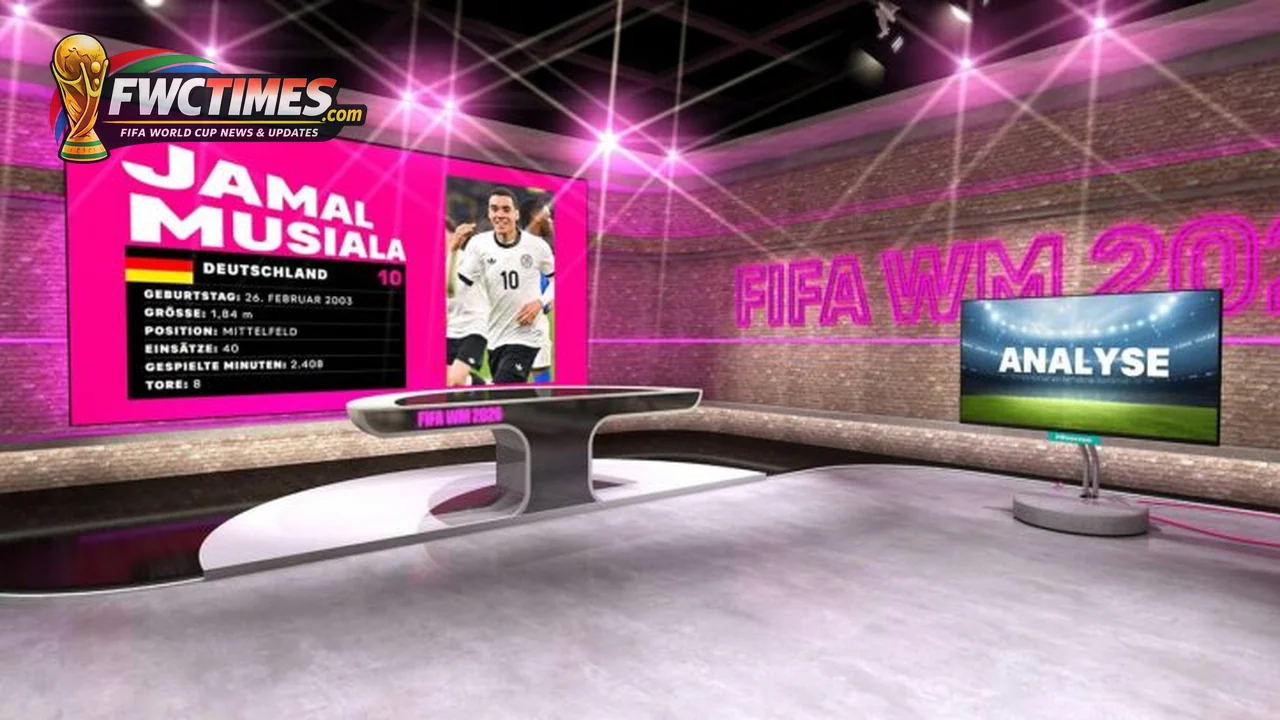
The change also helps advertisers and studio programming. High-quality studio segments can carry a more polished look when they use the same technical standard as match coverage. That matters during long tournament days when pre-match and post-match shows fill large broadcast windows. Consistency helps the whole package feel intentional.
Production quality will also matter during multi-match days. Viewers may move from one kickoff window to another without changing platform. If the HDR chain stays consistent, the coverage can keep the same visual standard across venues. That consistency is difficult when feeds move through several technical stages.
The German audience also includes fans watching on mobile, web, smart TV, and set-top devices. Each route can behave differently during live sport. MagentaTV’s technical promise will mean most when those routes stay stable under peak demand. Fans should treat app updates and login tests as part of match preparation.
The practical takeaway is simple for viewers. Check whether the screen supports HDR, update the app, test the account, and confirm the viewing route before June 11. Waiting until kickoff creates avoidable problems. The best technical production still depends on the fan’s home setup.
Frequently Asked Questions
MagentaTV’s HDR production plan gives German viewers a clear technical upgrade target before the tournament starts. Fans who want the full picture benefit should sort their viewing setup before the first whistle.
Read Also: Bosnia Confirm Sandy Base Camp For World Cup 2026