Infantino Defends World Cup Hydration Breaks

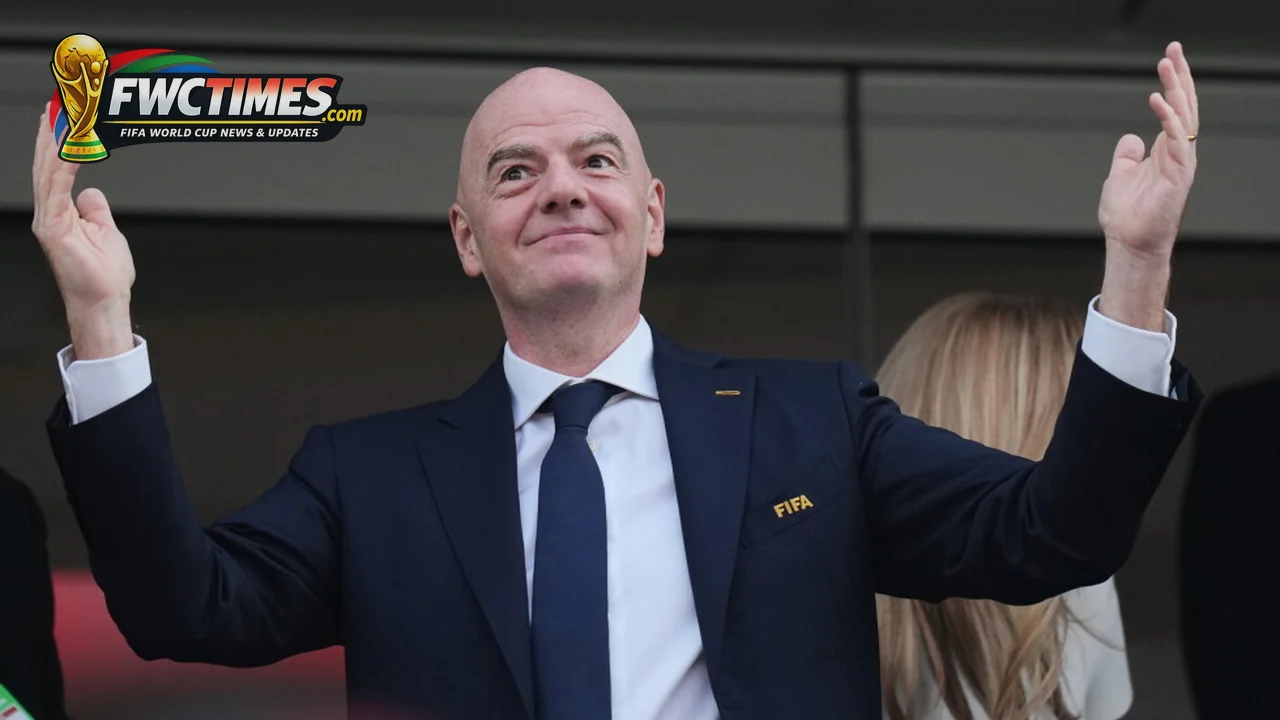
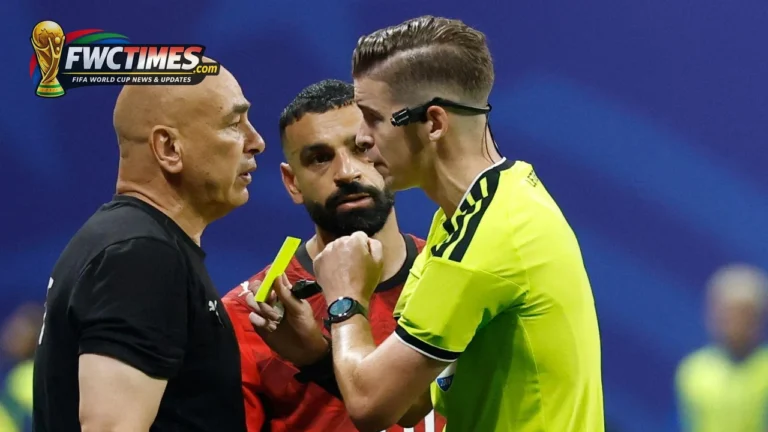
World Cup hydration breaks remain one of the loudest tournament debates after FIFA President Gianni Infantino defended the policy. FIFA has used planned pauses during matches at FIFA World Cup 2026, citing player welfare in North American summer conditions. Critics argue the stoppages interrupt match rhythm and create ideal broadcast windows. Infantino rejected the idea that FIFA earns extra money from them.
The issue has grown because the breaks are visible in every match where they appear. Players use the pause for fluids, cooling and tactical messages. Fans see a three-minute interruption that can break momentum. The broadcast argument also touches World Cup broadcasting rights because viewers judge timing as well as safety.
Player Safety Is The Official Case
FIFA’s main argument starts with heat and player safety. Matches across the United States, Mexico and Canada can bring high temperatures, humidity and long travel demands. A planned pause gives medical staff a controlled moment to check players and manage hydration. That case becomes stronger in venues where afternoon conditions are harsh.
The debate is not only medical. A hydration break can reset pressing, slow an opponent’s surge and give coaches a short tactical huddle. That changes the competitive feel of a half. Teams that manage the pause well can recover shape and fix small problems before they become goals.
Infantino’s defense focused on sporting logic rather than revenue. He framed the breaks as part of player protection and competitive balance. The claim matters because supporters have questioned whether the timing helps broadcasters more than football. FIFA now has to keep explaining the policy in plain terms.
Venue conditions make the policy harder to dismiss. Matches in places such as Houston Stadium and Mexican venues can test endurance. A single tournament-wide standard also avoids arguments over why one match gets a break and another does not. The tradeoff is that cooler matches may still feel interrupted.
Fans And Coaches Are Judging Match Flow
Supporters judge the policy through rhythm. A team can be building pressure when the whistle stops play. The pause may help the trailing side breathe or allow the leading side to slow the game. That is why the debate reaches beyond medical language.
Coaches now have to plan for the stoppage. They can use it to change pressing triggers, manage energy or deliver short instructions. That makes the break useful for staff, even if they complain about it publicly. It also creates another small tactical phase inside each half.
The issue also connects to fan experience and stadium movement. Supporters using World Cup tickets often pay high prices and expect clean match rhythm. Some fans use the pause for concessions or rest. Others see it as a break from the emotional flow of football.
FIFA may review the policy after the tournament, especially if criticism keeps growing. The World Cup 2026 schedule includes many climates, kickoff windows and travel patterns. A flexible future model could depend on heat index rather than a universal rule. The current tournament still has to manage the debate in real time.
| Hydration Break Issue | Current Position |
|---|---|
| Official Reason | Player safety and heat management |
| Main Criticism | Breaks interrupt match rhythm and look broadcast-friendly |
| FIFA Position | Infantino says FIFA does not earn extra revenue from the pauses |
| Match Impact | Coaches can use the break for tactical resets |
The breaks are not a small presentation detail anymore. They affect rhythm, tactics, fan behavior and broadcast perception. FIFA can defend the medical need, but it also has to accept that football people judge the live feel of the match. That is where the argument will continue.
The cleanest solution may come after the tournament. FIFA can compare heat data, player feedback and match-flow complaints. A policy built around conditions could satisfy more people than a fixed model. Until then, hydration breaks remain part of the 2026 match experience.
Frequently Asked Questions
FIFA can defend hydration breaks as safety policy, but the tournament still has to answer the match-flow concern.
Stay tuned to FWCTimes.com for the latest FIFA World Cup 2026 updates.
Read Also: Portugal Rout Uzbekistan As Ronaldo Breaks Record