Hyundai Reveals World Cup Team Bus Artwork Designs

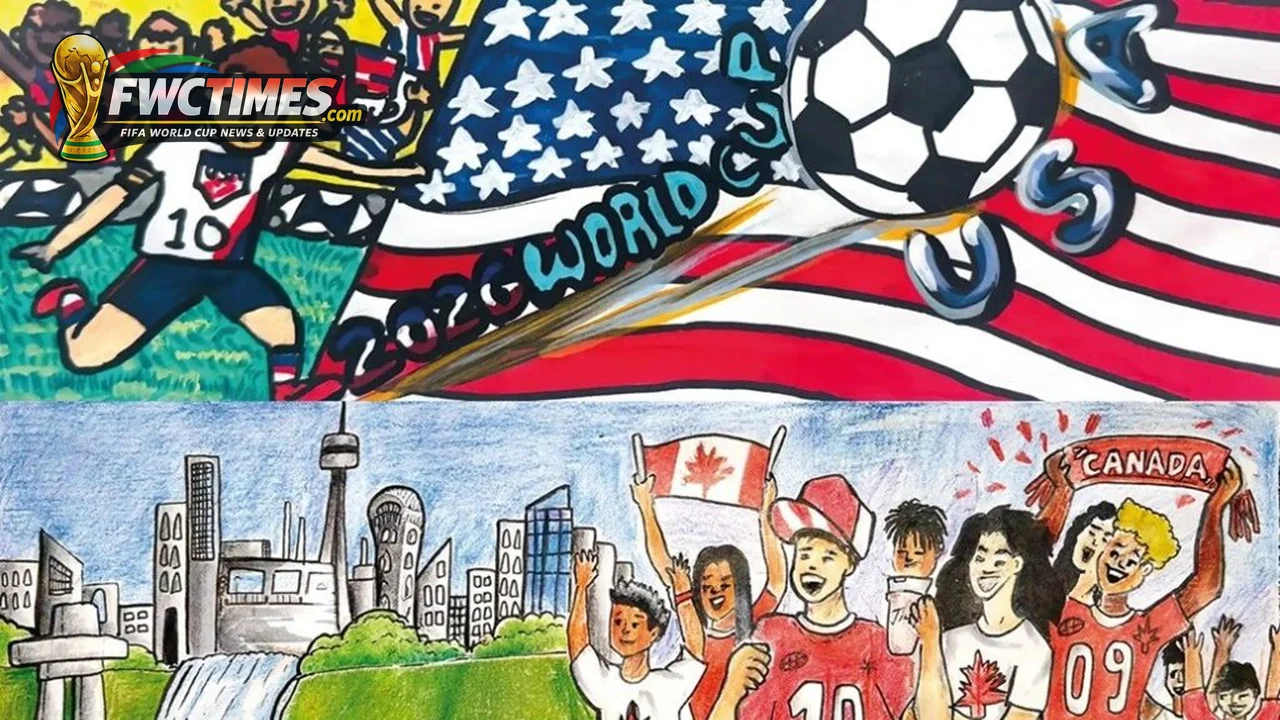
Hyundai has revealed official national team bus designs for World Cup 2026 using children’s artwork. The designs come from the global Be There With Hyundai initiative. Forty-eight winning artworks were selected, with each design representing a qualified national team. The campaign turns team transport into a visible part of the World Cup 2026 fan experience.
The Hyundai World Cup team bus designs matter because team buses are seen by fans, media, and players throughout the tournament. They move through cities, training bases, hotels, and stadium routes. A normal logistics asset now becomes a moving youth-creativity showcase. That gives the tournament another visual identity layer outside the pitch.
Children’s Artwork Sits At The Centre Of The Design
Be There With Hyundai invited children ages 5 to 12 to submit artwork supporting their favorite national teams. The contest asked young fans to show cheering moments and what the World Cup represents to them. The selected designs will appear prominently across the official buses. That makes children’s drawings part of the tournament’s daily movement.

The bus design concept was developed with FIFA’s visual identity elements. The final exteriors combine children’s artwork, tournament colours, unity patterns, and host-nation iconography. That mix helps each bus feel connected to both a team and the wider event. It also avoids turning the vehicles into ordinary sponsor wraps.
| Design Element | Confirmed Detail |
|---|---|
| Artwork Source | Be There With Hyundai children’s global initiative |
| Winning Designs | 48 artworks, one for each qualified national team |
| Age Range | Children ages 5 to 12 were invited to participate |
| Bus Use | Official national team buses during World Cup 2026 |
| Visual System | Artwork, FIFA identity elements, unity pattern, and host-nation iconography |
Team Buses Become Part Of The Fan Trail
Fans often see team buses outside hotels, training areas, and stadium arrival routes. A distinctive design can become part of matchday photography and social sharing. Hyundai is also encouraging fans to photograph the buses and use the campaign hashtag for prizes. That turns transport visibility into fan participation.
The idea also connects with wider World Cup in the United States city movement. Teams will travel through host cities and base-camp communities during the group stage. Buses can become familiar symbols in places where fans gather. That gives the artwork repeated exposure across the tournament.
The campaign fits Hyundai’s long-running FIFA partnership. The company has supported tournament transport for years, and the 2026 edition gives it a larger stage. Forty-eight teams mean more buses, more routes, and more national identities to represent. A youth-artwork system gives that scale a human angle.
The designs may also matter for team identity. Supporters often connect with small visual details around their national team. A bus design built from a child’s cheering artwork can feel more personal than a standard graphic. It gives fans something to look for before kickoff beyond kits and flags.
The campaign also sits near the ticket and fan-experience story. Many fans tracking World Cup tickets may never get close to a match seat. Public visuals such as buses, fan zones, and city activations can still make the tournament visible. That helps host cities feel active even outside stadium gates.
The biggest practical challenge will be clean execution. Bus art must remain visible across windows, sponsor space, and official tournament marks. It also needs to work in real traffic, on television, and in fan photos. If the designs hold up at street level, they can become one of the tournament’s most shared visual details.
The artwork also gives each qualified nation a softer visual story. Fans usually see national-team identity through kits, flags, and crests. A child’s drawing can add emotion without replacing those official symbols. That is why the bus designs can feel personal even when they follow a unified tournament system.
The campaign should also create strong media moments around team arrivals. Buses appear when squads reach stadiums, training centres, and hotels. Photographers often use those arrivals to signal matchday mood. Distinctive artwork gives those images more character and helps each team stand out.
Hyundai’s role also connects transport with fan engagement. The company is not only moving teams between venues and bases. It is using those movements to carry a youth-focused message across the tournament. That makes the bus fleet part of the event’s public storytelling.
Frequently Asked Questions
Hyundai’s team bus artwork campaign gives young fans a visible place in the tournament. The designs should become part of the street-level World Cup experience across host cities and team bases.
Read Also: VNA Opens Multi-Platform World Cup Coverage Hub