FIFA Adds Sign Language Broadcasts For Every World Cup Match

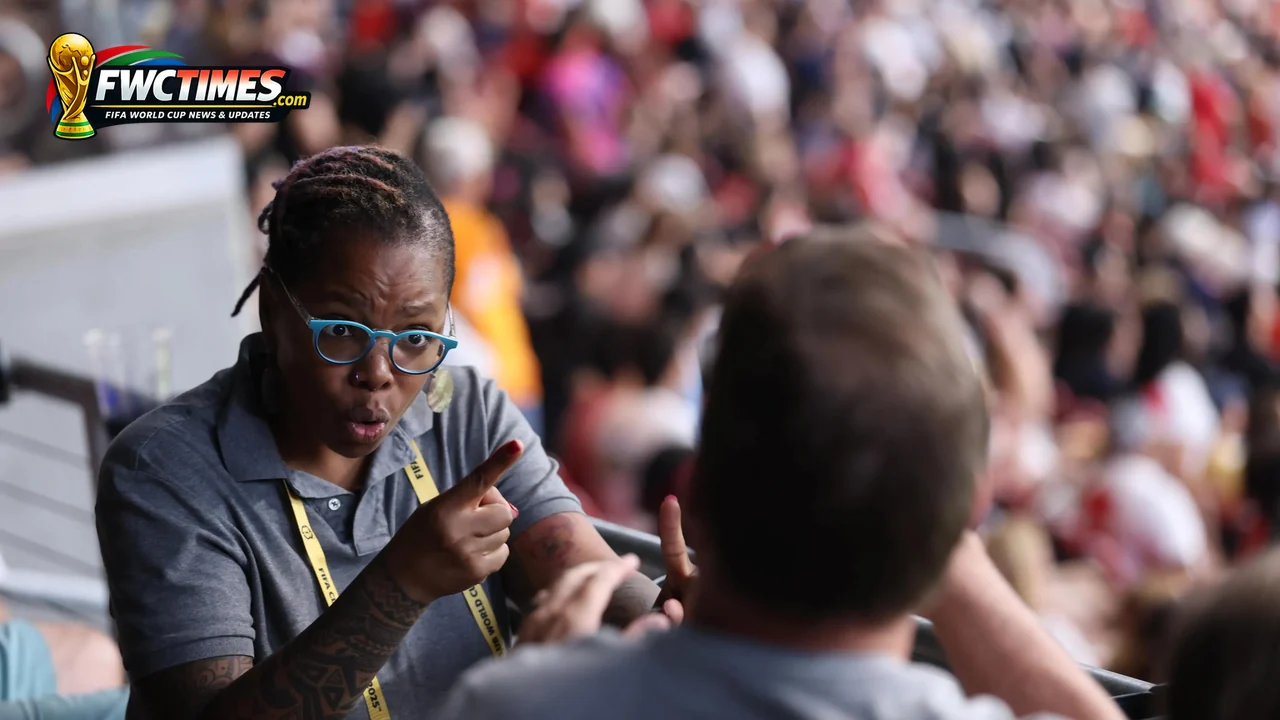
FIFA World Cup sign language broadcasts will be available for all 104 matches at the FIFA World Cup 2026. The update gives Deaf and Hard-of-Hearing fans a direct match feed through the official tournament app. It also sits inside a wider accessibility package covering captions, audio-descriptive commentary, tactile boards, sensory bags, and sensory rooms.
How The Sign Language Match Feed Will Work
The sign language feed will go beyond a standard translation layer. Interpreters will cover play-by-play action and key audio cues, including whistles, crowd noise, and emotional shifts around the stadium.
Fans will access the service through the official tournament app. The route runs through the Stadiums section, the selected venue page, the Accessibility Services tab, and the Sign Language button, which opens the YouTube stream in a browser.
Group-stage matches in the United States and Canada will use American Sign Language. Matches staged in Mexico will use Mexican Sign Language, which gives the host-country split a practical language plan instead of one universal feed.
Knockout-round access will focus mostly on ASL, with LSM available for selected matches involving Spanish-speaking countries. That detail matters because language access changes once the bracket moves across host countries.
The service also creates a second-screen habit for supporters inside stadiums. A fan can watch the match live while keeping the accessible feed open on a phone, so the stadium experience does not depend only on public-address audio.
| Service | Confirmed Detail | Fan Impact |
|---|---|---|
| Sign language broadcasts | Available for all 104 matches | Deaf and Hard-of-Hearing fans get a dedicated match feed |
| ASL coverage | Group-stage matches in the United States and Canada | Fans in those host countries get language-specific access |
| LSM coverage | Matches in Mexico and selected knockout matches | Spanish-speaking and Mexico-based fans get targeted support |
| Captions | Available through stadium screens, ribbon boards, TV screens, and app links | Spoken stadium content becomes easier to follow |
| Audio-descriptive commentary | Available for all matches and opening and closing ceremonies | Blind and low-vision fans get match narration support |
| Sensory services | Sensory bags, sensory rooms, and trained volunteers | Fans with sensory needs get quieter support routes |
Why This Changes Matchday Access
This announcement changes the access question from whether support exists to how fans will use it on matchday. Supporters now need to download the app, find the correct venue page, and test the route before kickoff.
The change also connects broadcast access with stadium access. Fans watching at home, at a watch party, or from a seat inside the venue can use the same digital route, so the service is not limited to one physical location.
Broadcast planning still matters. Fans should match this accessibility feed with the main match feed listed in the World Cup 2026 broadcasting rights hub, because the sign language stream supports the match experience rather than replacing local TV coverage.
The new feed also helps families plan around real needs. A Deaf fan attending with hearing relatives can follow the match without asking someone else to explain every whistle, substitution, or stadium announcement.
FIFA also confirmed captions across stadium ribbon boards, scoreboards, TV screens, and app links. That combination helps fans who miss spoken announcements in loud venues or need visual confirmation of key messages.
Audio-descriptive commentary will support all matches plus the opening and closing ceremonies. That service gives blind and low-vision fans narration beyond score updates, including movement, body language, and visual details that shape the match story.
Sensory rooms and sensory bags address another part of the fan experience. Large stadiums can create noise, crowd pressure, and sensory overload, so quiet spaces and trained staff can decide whether a supporter can stay through the full match.
Fans buying accessibility seats or companion tickets should still follow official ticketing instructions. The broader World Cup 2026 tickets process remains separate from the app-based broadcast tools.
What Fans Should Do Before June 11
The first practical step is simple: install the official tournament app before matchday. Fans should not wait until they reach a stadium gate, because mobile networks can slow down around major events.
The second step is venue-specific. Supporters should open the Stadiums section, select the correct stadium, and find the Accessibility Services tab before leaving for the match.
The third step is device planning. A phone needs battery, headphones if preferred, mobile data or stadium Wi-Fi access, and enough screen brightness for outdoor or concourse use.
The service may not sync with match action at every second because interpreters work live. Fans should treat small timing differences as part of the live accessibility feed, not as a broken stream.
This is also a useful update for people watching outside the stadium. Watch parties and home viewers can use the same sign language feed, so accessibility planning now reaches beyond ticket holders.
The wider lesson is that accessibility cannot sit at the end of match planning. Fans need to build it into travel, arrival time, seating choice, device setup, and viewing route before the opening match in Mexico City.
Frequently Asked Questions
The sign language feed turns accessibility into a live match tool, not a postscript. Fans who need it should test the app route before June 11 and keep device access ready on matchday.
Stay tuned to FWCTimes.com for the latest FIFA World Cup 2026 updates.
Read Also: Agilent TSA Contract Targets World Cup Airport Screening