Chicago Shows World Cup Spirit After Germany vs USMNT

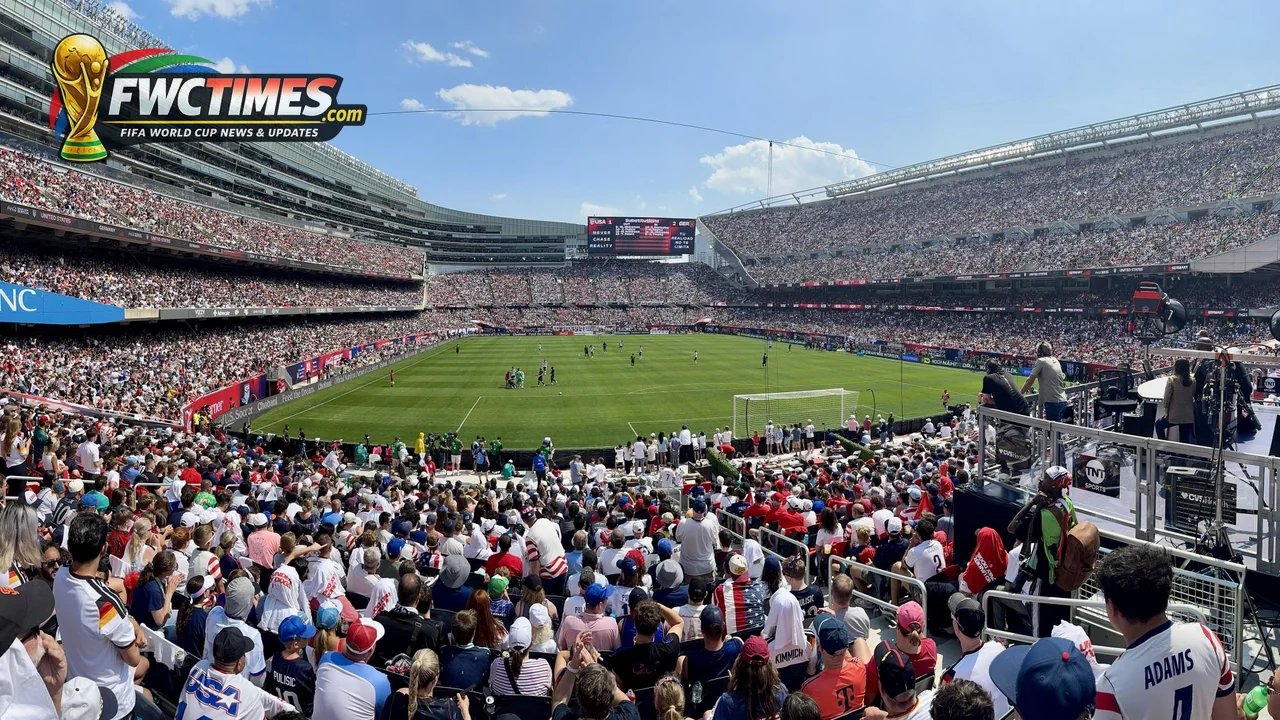
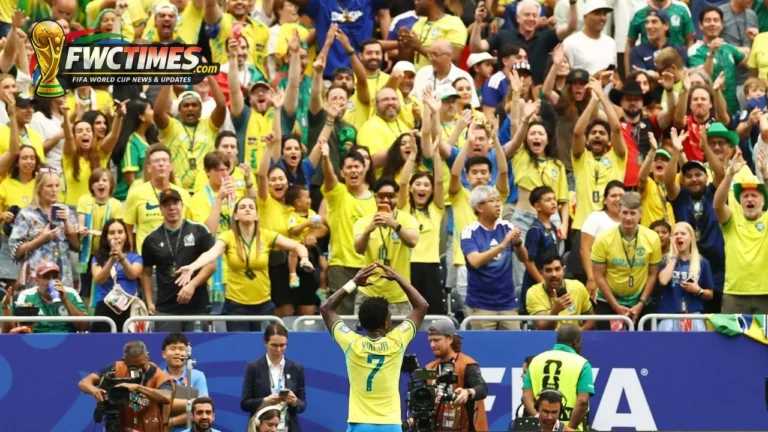
Chicago World Cup atmosphere surged at Soldier Field on June 6 as 63,636 fans watched the United States face Germany. The sold-out crowd set a soccer attendance record for the venue. It gave the final USMNT warm-up a tournament feel. Germany won 2-1, yet the night said plenty about football demand outside the 2026 host-city list.
The United States had already beaten Senegal 3-2 in Charlotte, so Germany offered a stronger final stress test. Antonee Robinson answered Kai Havertz’s early header with a 37th-minute volley. Leroy Sane scored the winner in the 57th minute and pushed Germany’s winning run to nine. The atmosphere made those moments feel closer to a World Cup night than a normal friendly.
Soldier Field Crowd Turned A Friendly Into A Signal
Soldier Field did not host a 2026 tournament match, but the crowd still gave the city a World Cup-level stage. United States squad and fixtures interest filled the stadium before a competitive ball had been kicked. That matters because home tournaments depend on more than official venue lists. They need nearby cities to carry the sport in bars, parks and stadiums.
The attendance figure gave the night its strongest number. A crowd of 63,636 for a warm-up match shows how far national-team demand has moved. Chicago has already lived through World Cup football, including five 1994 matches and the tournament opener. The city still knows how a major soccer night should sound.
Germany also benefited from the setting because the opponent support made the match feel less routine. Germany squad and fixtures arrived as a four-time world champion and a top-ranked test. The away side found an early lead, lost momentum after Robinson’s goal, then recovered control after half-time. That pattern gave Julian Nagelsmann a useful pressure rehearsal.
The FIFA World Cup 2026 will not use Chicago as a match city, yet the event will still touch the Midwest. Supporters from Illinois can travel to Kansas City, Dallas, Houston or other U.S. venues if ticket access works. Many will also follow the tournament locally through watch parties and fan events. Soldier Field showed that non-host cities can still shape the tournament mood.
Why The Chicago Response Matters Before Opening Week
The USMNT needed more than a scoreline from its final tune-up. Mauricio Pochettino needed a crowd, an elite opponent and a game state that forced adjustments. Germany gave the U.S. all three. The home side trailed early, found a response, then had to chase after Sane’s second-half goal.
Robinson’s strike gave the best U.S. moment of the afternoon. The left-back stepped onto a clearance and hit a clean finish from the top of the area. His goal lifted the stadium and gave the U.S. a reminder of its attacking width. That left-side threat can matter when group opponents defend narrow.
The next test comes quickly at Los Angeles Stadium, where the United States open against Paraguay on June 12. A warm-up crowd can energize players, but tournament points demand sharper control. The U.S. must protect central spaces better after turnovers. It also needs cleaner defending on set pieces after Havertz’s early header.
Germany left Chicago with a win and several clear tournament markers. Havertz scored early, Sane finished the decisive move, and the team handled a loud U.S. crowd. The result was not a full performance review, but it showed the value of testing against a motivated host nation. Germany now move toward their opener with form and match rhythm aligned.
The fan lesson also reaches beyond the teams. Supporters who still plan to travel should use verified World Cup ticket information rather than panic-buying from risky channels. A sellout in Chicago shows demand can spike around high-profile nations even outside tournament fixtures. That same pressure will follow the United States, Germany and other major teams once the group stage starts.
| Match Detail | Confirmed Update |
|---|---|
| Result | Germany 2-1 United States |
| Venue And Crowd | Soldier Field, Chicago; 63,636 attendance |
| USMNT Goal | Antonee Robinson, 37th minute |
| Germany Goals | Kai Havertz, 2nd minute; Leroy Sane, 57th minute |
| Atmosphere Note | Sold-out final USMNT send-off with 1994 U.S. World Cup alumni present |
Chicago’s strongest point was not only the attendance total. The city gave the match a mixed tournament feel, with home support, German presence and a venue tied to World Cup history. That blend matters because the 2026 event covers three countries but still depends on national interest across many more cities. A non-host city can still become part of the tournament story when the crowd looks and sounds ready.
The football lesson was sharper for the United States. The team showed fight after conceding early, but Germany still punished loose moments. A home crowd can lift pressing intensity, yet it cannot fix spacing by itself. Pochettino now has to turn that emotional push into repeatable match control.
Germany’s lesson was different. The win kept momentum alive, but the pressure after Robinson’s goal forced them to solve a difficult spell. Their forwards found the deciding moment without needing long dominance. In tournament football, that type of efficiency often travels better than long stretches of possession.
Frequently Asked Questions
Chicago did not get 2026 matches, but Soldier Field still gave the tournament a loud pre-opening signal.
Stay tuned to FWCTimes.com for the latest FIFA World Cup 2026 updates.
Read Also: USMNT Fall To Germany Despite Robinson Stunner