Atlanta World Cup Safety Questions Follow MARTA And Beltline Attacks

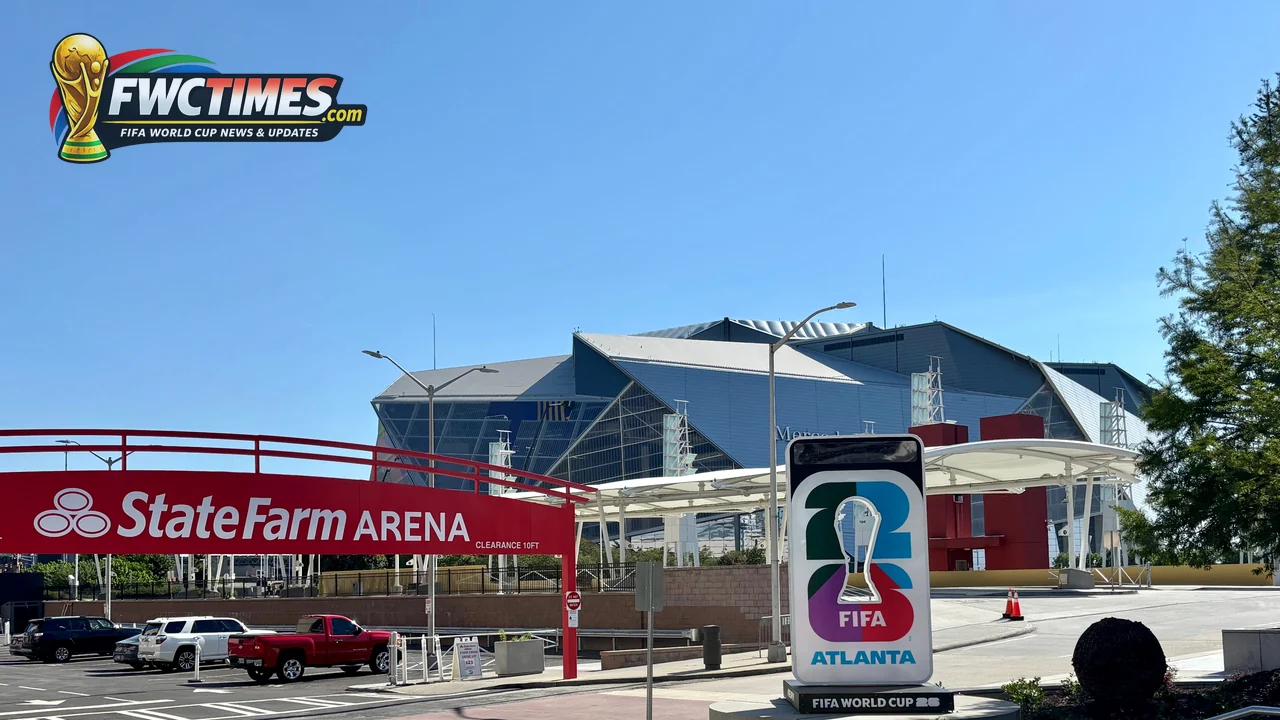
Atlanta World Cup Safety questions have grown after recent random attacks on MARTA and the Beltline. The city is preparing to host eight World Cup matches. Atlanta Stadium will draw large crowds, transit riders and visitors across several weeks. Local officials now face a sharper test of public confidence before matchday traffic begins.
Two women were killed in separate May attacks, while another man was injured in a stabbing incident. The cases have increased concern around routes that fans may use during the tournament. Atlanta’s planning already includes police, transit, grants and multi-agency coordination. The question is whether those systems feel visible enough for residents and visitors.
Transit Confidence Becomes Part Of Matchday Planning
The direct fan question is whether Atlanta can keep match routes safe and predictable. MARTA trains and buses will carry visitors toward downtown, stadium areas and entertainment districts. The Beltline and community spaces may also see heavier foot traffic. Public safety planning now has to cover both official venues and the routes around them.
The city has already outlined a broader readiness plan for World Cup 2026. That plan includes public safety, operations, infrastructure and community-facing work. The recent attacks do not erase that preparation, but they do raise the standard for communication. Fans need to know where to go, how to report issues and which routes have official support.
Transit confidence matters because visitors often choose public transport when stadium traffic looks difficult. If riders feel uncertain, more people may turn to cars, rideshare or informal routes. That can increase congestion and make crowd flow harder to manage. Safety planning and transport planning now sit in the same conversation.
Atlanta’s Security Plan Has Funding And Multi-Agency Support
Atlanta’s official preparation includes federal grant support and a public safety strategy built for large-scale events. The city has highlighted $52.2m in FIFA World Cup grant funding as part of a larger host committee award. It has also pointed to a separate $7.6m counter-drone grant for police operations. Those figures show that the city is treating the tournament as a major security operation.
Operationally, the city has described more than 700 officers and more than 200 supporting outside agencies through mutual aid. A Joint Operations Center is also part of the plan. That structure can help city, regional, state and federal partners share information during matchdays. The test will be how quickly that coordination reaches street-level problems.
Fans following World Cup tickets should plan transport before matchday instead of waiting until arrival. Official routes, station guidance and stadium entry timing can reduce exposure to confusion. Atlanta’s public messaging will need to be clear for out-of-town visitors. Good signage and visible staff can turn a security plan into practical reassurance.
The latest concern also connects with wider tournament safety coverage, including the World Cup water bottle ban. Fans are watching health, hydration, transit and crowd safety together. A strong host city response needs to cover all of those touchpoints. Public confidence will come from visible details, not broad promises.
| Atlanta Safety Area | Verified Planning Point |
|---|---|
| Match Load | Atlanta is scheduled to host eight World Cup matches. |
| Federal Support | $52.2m in FIFA World Cup grant funding has been cited for readiness work. |
| Police Support | The city plan references more than 700 officers and outside mutual-aid support. |
| Coordination | A Joint Operations Center is part of the matchday security structure. |
The table shows that Atlanta is not starting from zero. Funding, staffing and coordination pieces already exist. The recent attacks still change the tone because public safety is personal for fans choosing routes. A plan works best when people can see how it affects their exact journey.
The next practical layer is communication. Visitors need station-by-station guidance, clear wayfinding and visible reporting channels. Residents need confidence that regular city services will not be pushed aside by tournament demands. Atlanta’s readiness message must speak to both groups.
Officials also need to avoid treating stadium security as the whole issue. A fan’s matchday starts at the hotel, transit stop or neighborhood gathering place. Crowd safety includes the walk, the ride, the entry line and the return trip. Atlanta’s success will depend on how those pieces connect.
Frequently Asked Questions
Atlanta’s safety plan now needs to be visible on the routes fans will actually use.
Stay tuned to FWCTimes.com for the latest FIFA World Cup 2026 updates.
Read Also: World Cup Security Plan Puts New Jersey Command Center In Focus