Agilent Wins TSA Airport Security Contract Before World Cup

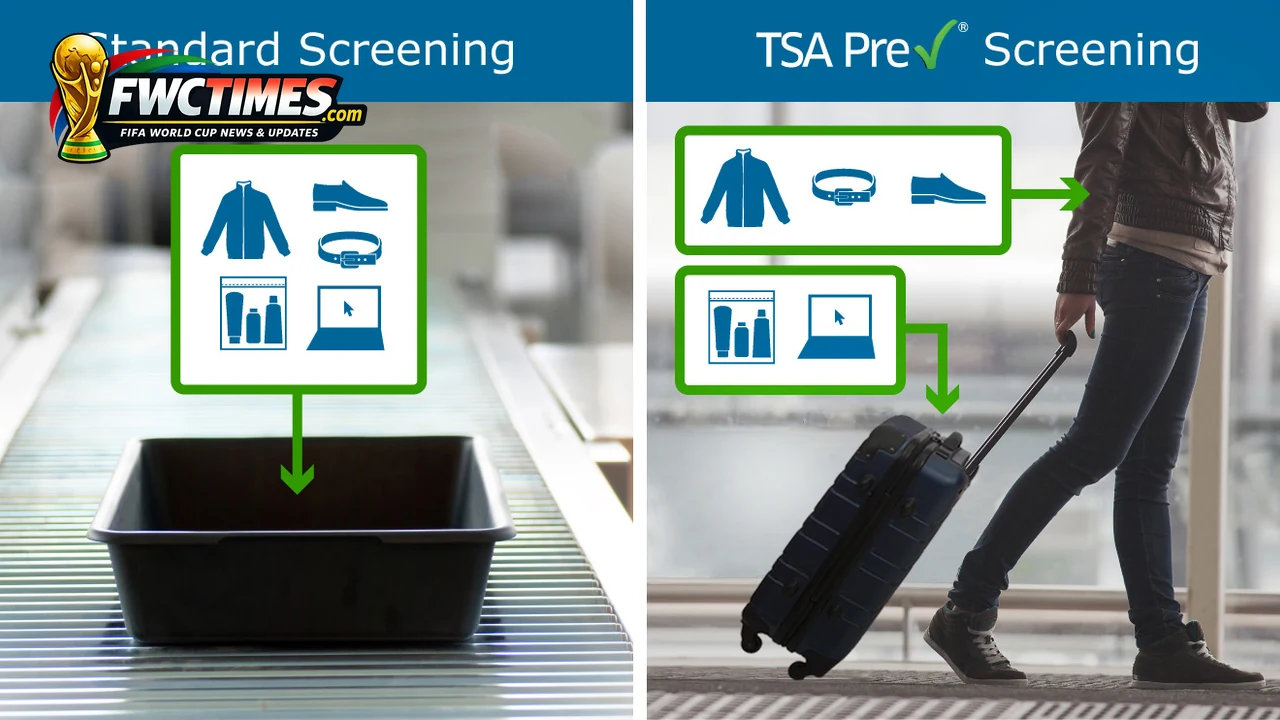
Agilent Technologies has won a TSA contract to deploy Bulk Alarm Resolution Technology at U.S. airport checkpoints before World Cup travel peaks. The systems will support airports serving FIFA World Cup 2026 host cities across the United States. The update matters because airport pressure will rise as fans move between 11 U.S. host cities. It also adds another security layer beyond stadium perimeters.
The technology screens larger quantities of liquids, powders, solids, gels, and creams through different containers. It uses Surface Offset Raman Spectroscopy with algorithms to identify materials without opening each item. That can help officers resolve alarms when food, drinks, and personal items slow lines. Agilent already operates in airport alarm-resolution systems for liquids, aerosols, and gels.
Airport Screening Gets A World Cup Upgrade
The deployment focuses on host city airport checkpoints, so it connects directly to fan movement. Supporters will still follow normal screening rules. The value comes from helping officers clear alarms during heavy passenger periods. The busiest days will sit around opening week, knockout rounds, and multi-city travel windows.
Fans flying through Dallas, New York/New Jersey, Los Angeles, Miami, Atlanta, Seattle, and Houston should expect demand spikes. Security upgrades do not remove the need to arrive early. They give airport teams extra tools when supporters arrive with food, bottles, powders, and matchday gear.
What The Technology Does
| Key Detail | Confirmed Information |
|---|---|
| Technology | Bulk Alarm Resolution Technology |
| Use case | Screens liquids, powders, solids, gels, and creams |
| Airport focus | U.S. World Cup host city checkpoints |
| Fan impact | May reduce alarm-resolution delays during busy periods |
Bulk Alarm Resolution Technology helps identify materials that checkpoint staff need to clear safely. Liquids and powders can create delays because officers must decide whether an alarm reflects a threat. The system gives operators a noninvasive way to assess containers and contents. That matters when passenger lines are full.
The technology family uses Raman-based chemical identification. It can detect materials through barriers, including opaque containers. Agilent’s airport security work also supports CT X-ray checkpoint systems. The World Cup deployment puts that capability into a high-volume travel setting.
Why Fans Should Care
World Cup 2026 covers a wider footprint than any previous men’s tournament. Fans may need domestic flights after group matches because host cities sit far apart. A supporter can watch one match in Los Angeles and need another flight days later. Airport friction becomes part of the fan experience.
Fans following FIFA News should treat this as a travel operations story. It does not confirm a change to baggage rules. The 3-1-1 liquids rule and other TSA instructions remain separate. Travellers should check official airport guidance before packing.
Airport planning deserves more attention because fans often budget for tickets and hotels before thinking about checkpoint delays. A World Cup trip can include long-haul arrivals, domestic transfers, and tight same-week city changes. Any technology that reduces alarm-resolution time can help airports keep passenger flow steadier. It will not remove queues, but it can make the busiest screening lanes less fragile.
The update also shows how tournament readiness extends into ordinary travel infrastructure. Stadium security gets the headlines, yet many supporter problems start before they reach the host city. Families carrying snacks, medical liquids, powders, and extra devices may face more screening questions than light travellers. Clear packing and early arrival remain the best fan-level response.
Frequently Asked Questions
The contract gives fans one more reason to plan flights early and leave extra screening time during busy match windows.
Use FWCTimes.com for the latest FIFA World Cup 2026 updates.
Read Also: Portugal Name Ronaldo In World Cup Squad For Sixth Tournament