
How to Get to Levi’s Stadium on Matchday

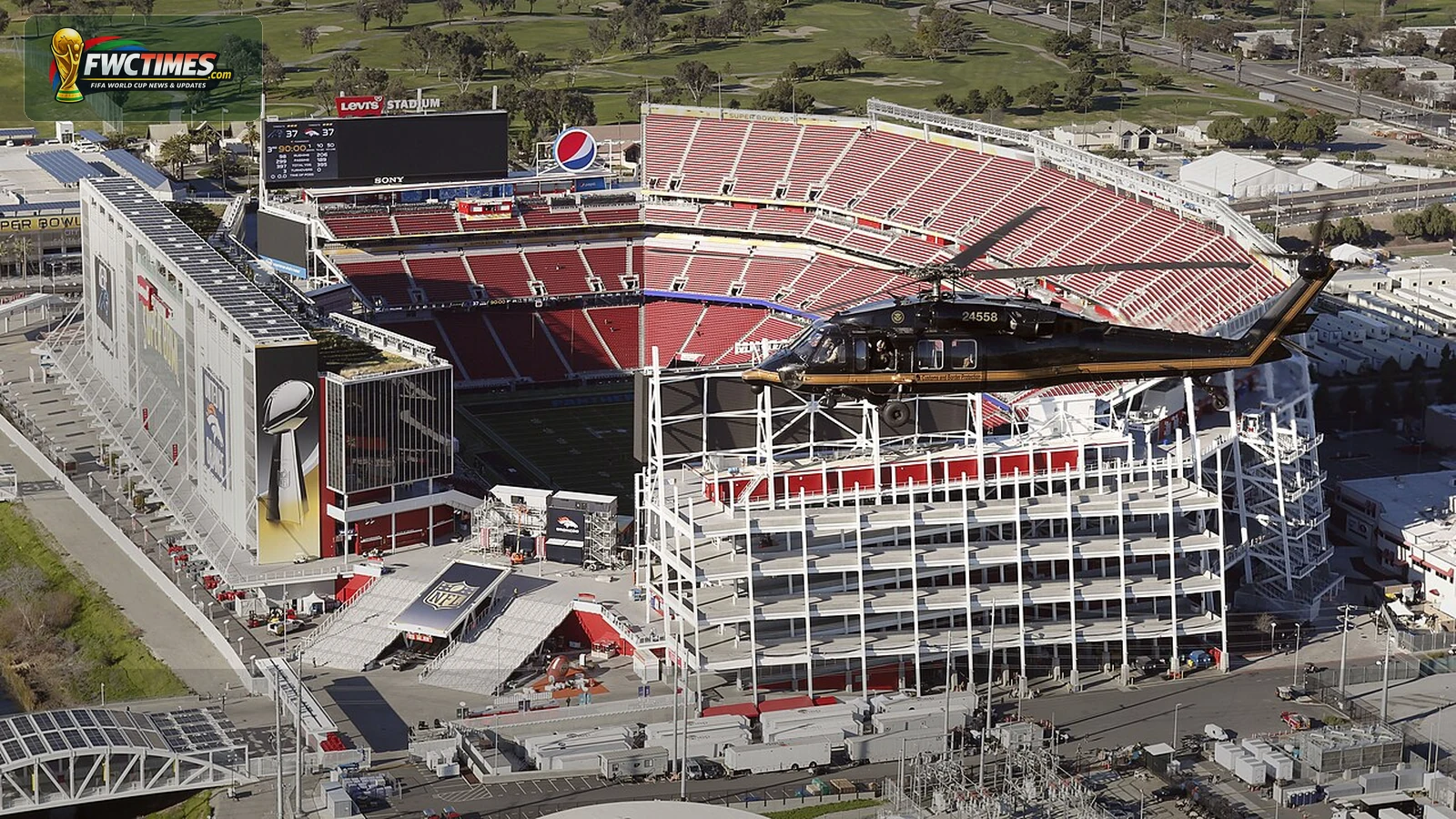
Learning how to get to Levi’s Stadium to Levi’s Stadium matters for FIFA World Cup 2026 because the venue sits in Santa Clara, not downtown San Francisco. Matchday travel works best when fans plan around VTA light rail, Caltrain transfers, rideshare zones, and extra walking time near the stadium.
Levi’s Stadium will operate as San Francisco Bay Area Stadium during the tournament. The venue hosts six matches from June 13 to July 1, so travel demand will rise around Santa Clara, San Jose, Mountain View, SFO, and nearby hotel zones.
How to Get to Levi’s Stadium by Public Transit
VTA light rail is the most direct public transit route for many South Bay fans. Levi’s Stadium lists Great America Station on the north side of the venue as the light rail drop-off and pickup point.
Fans coming from San Francisco can use Caltrain toward Mountain View, then transfer to the VTA Orange Line. Travelers from the East Bay or SFO may need BART plus a transfer, so they should build extra time into the trip.
| Starting Area | Best Route | Matchday Note |
|---|---|---|
| San Jose | VTA light rail or local VTA bus | Shortest transit planning zone for most visitors |
| San Francisco | Caltrain to Mountain View, then VTA Orange Line | Allow transfer time and crowd buffers |
| SFO Airport | BART to Millbrae, Caltrain south, then VTA | Airport-to-stadium trips can take 75 to 90 minutes |
| East Bay | BART plus VTA or Capitol Corridor route | Check late-night return options before booking |
| Central Valley | ACE train to the stadium area | Event schedules should be checked close to matchday |
VTA Light Rail, Caltrain and Airport Routes
VTA light rail serves Mountain View, Sunnyvale, Milpitas, San Jose, Santa Clara, and Campbell. It is the cleanest option when a hotel sits in the South Bay or near a light rail stop.
Caltrain helps fans staying in San Francisco, San Mateo, Palo Alto, and Mountain View. SFO also points travelers toward BART and Caltrain connections, with Levi’s Stadium reachable through VTA after the rail transfer.
how to get to Levi’s Stadium
The best route depends on where fans sleep, not where their flight lands. Santa Clara and San Jose hotels simplify travel, while San Francisco hotels give better tourism access but add a longer stadium commute.
Fans should check the return trip before choosing a hotel. Late kickoffs can finish after regular commute patterns, so return rail service and rideshare prices may matter more than the pre-match route.
Driving, Parking and Rideshare for Levi’s Stadium
Driving can work for fans staying outside transit corridors, but Santa Clara event traffic can build early. Official parking rules, access routes, and security perimeters should be checked through FIFA and venue channels before matchday.
Rideshare can help small groups, yet pickup waits can stretch after full-stadium events. Fans using Uber, Lyft, taxis, or private cars should expect designated pickup zones and longer walks than a normal city curb pickup.
| Option | Best For | Risk |
|---|---|---|
| VTA light rail | South Bay hotels and rail-connected fans | Crowding after final whistle |
| Caltrain plus VTA | San Francisco and Peninsula visitors | Transfer timing and late return service |
| Driving | Families and groups with official parking | Traffic, security perimeters, and lot exits |
| Rideshare | Small groups without a car | Surge pricing and post-match pickup delays |
| Bike valet | Local fans near Santa Clara trails | Security route changes around the stadium |
Accessible Travel to Levi’s Stadium
Levi’s Stadium states that accessible courtesy transportation is available from VTA Great America Light Rail station to the west gates. Fans who need wheelchair service should request details before arrival and keep gate information ready.
Accessible service is not listed from every transit stop, so planning should start with the exact route. Fans should match tickets, entry gate, seat location, and transport drop-off before choosing a final travel plan.
World Cup transport overlays can change normal event routes. Use FIFA, VTA, Caltrain, SFO, and Levi’s Stadium instructions as matchday gets closer.
Matchday Arrival Timeline
Fans should aim to reach the stadium district at least 90 minutes before kickoff. Earlier arrival makes sense for knockout matches, late-night games, and any fixture with a large traveling supporter base.
Walking time matters once fans leave trains, buses, parking lots, or rideshare zones. Security fences can push routes away from the shortest map line, so groups should choose a meeting point outside the gate and keep mobile tickets ready before joining the entry queue.
Ticket checks, bag screening, restroom stops, food lines, and wayfinding can all add time. Fans comparing view zones can use the Levi’s Stadium seating map before deciding how early to enter.
Fans with children, older relatives, or accessibility needs should avoid last-minute arrivals. A slower entry plan gives the group time to find restrooms, food stands, and seats without missing warmups.
Frequently Asked Questions
Frequently Asked Questions
Frequently Asked Questions
Frequently Asked Questions
Frequently Asked Questions
Frequently Asked Questions
What is the easiest way to get to Levi’s Stadium on matchday?
Taking VTA Light Rail to Great America Station is the fastest route on matchday. Services increase in frequency to handle large tournament crowds. Driving is not recommended because parking is extremely limited near the venue.
How far is the stadium from the nearest airport?
The trip from San Jose International Airport (SJC) takes roughly 30 to 45 minutes. Pre-booked rideshare from the airport is the most predictable option. Fans arriving by flight should add buffer time for baggage and security.
How early should fans plan to arrive on matchday?
Arriving two to three hours before kickoff gives fans enough time to clear security and find seats. Transit connections can slow down significantly in the final hour before gates open. Leaving at least 90 minutes after full time avoids the worst exit rush.
Is parking available near the stadium?
Official parking lots require advance booking and fill up quickly for high-demand matches. Shuttle services from remote parking areas operate on matchdays. Fans using rideshare should use designated drop-off zones to avoid traffic delays.
Conclusion
The safest way to get to Levi’s Stadium is to build the trip around transit, transfers, and return service before buying a hotel. VTA light rail is the core stadium link, while Caltrain, BART, ACE, and rideshare fill different travel gaps.
World Cup crowds will make normal Santa Clara travel slower. Fans who arrive early, choose official routes, and check return options will have a smoother matchday.
