Boston Host City Spotlight Sharpens Before World Cup 2026

Boston World Cup 2026 host city things to know are back in focus after AP rolled out a fresh visitor explainer ahead of the tournament. The piece, published on May 20, framed Boston through the mix that many visiting fans will actually feel first: a Foxborough match trip, American history, classic local food, and a city center that still sits about 30 miles from the stadium. That may sound basic, but it matters now because host-city planning is moving from abstract maps to real visitor behavior.
AP reminded readers that this is Boston’s first World Cup connection since 1994, when the old Foxboro Stadium hosted Italy’s quarterfinal win over Spain. It also underlined the split identity of the host setup. The tournament is sold under Boston’s name, yet the actual games will be in Foxborough at Gillette Stadium. That distance shapes everything from transport choices to where fans sleep, eat, and spend their non-match hours.
High Street Place adds another useful local layer. The downtown food hall is one of the city’s best-known modern gathering points and helps explain how Boston is trying to package the event beyond the stadium itself. Readers who want the full practical planning angle can also revisit the latest Gillette seating breakdown, because this AP spotlight works best as a current news angle on top of the deeper evergreen planning material.
Why Boston World Cup 2026 Host City Things To Know Matter Now
AP’s explainer is not breaking team news, yet it is still timely because fan behavior shifts late in the buildup. Once tickets, travel dates, and match plans become real, people stop asking who qualified and start asking how the host city will actually feel. Boston is one of the clearest examples because the label and the match venue do not sit in the same place.
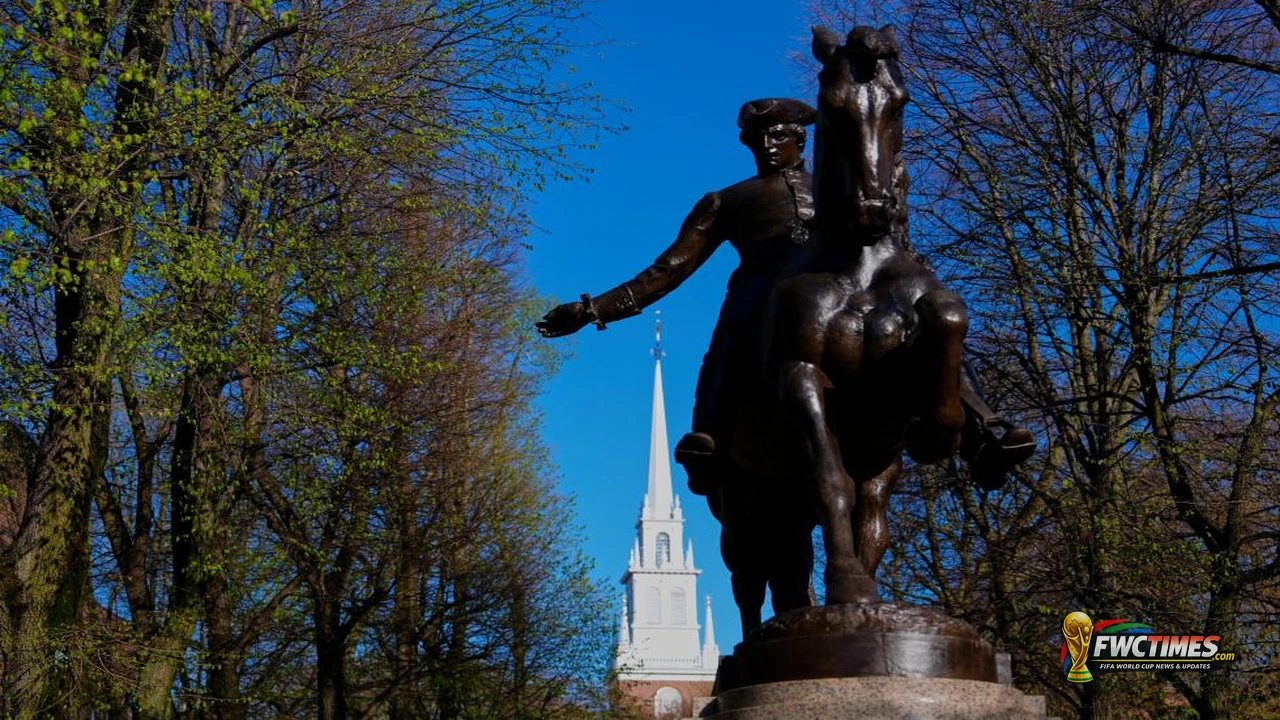
The city itself gives organizers a strong visitor story. AP highlighted classic tourist anchors such as the Boston Tea Party ships, the Old North Church, Paul Revere’s house, Fenway Park, and TD Garden. That list shows why Boston still carries more off-day cultural value than many tournament stops. A fan can build an entire trip around more than the ninety minutes.
The food angle matters too. AP pushed lobster rolls and the local dining identity, while High Street Place shows how central food-hall culture has become in downtown Boston. That combination helps the city market both old and new versions of itself to incoming supporters.
Why Foxborough distance remains the key planning fact
The most important planning detail is not glamorous. It is geography. Foxborough sits roughly 30 miles south of central Boston, and that turns a “Boston host city” trip into a two-part movement problem rather than a simple urban matchday.
That is why transit, parking, and departure timing matter more here than in some downtown stadium cities. Fans who underestimate that split can still enjoy the trip, but they will pay for the mistake in time and stress. The city-name branding is easy. The actual travel pattern is less forgiving.
| Boston Host Detail | Confirmed Detail | Why It Matters |
|---|---|---|
| Venue split | Boston is the host label, but games are in Foxborough | Fans must plan around a city-to-stadium commute. |
| Distance | Foxborough sits about 30 miles south of Boston | Travel time can shape the entire matchday schedule. |
| Historical hook | Boston area last hosted World Cup action in 1994 | The city is reconnecting with a long-dormant tournament memory. |
| Tourist layer | AP highlighted Fenway, Paul Revere, Old North Church and Tea Party sites | The trip can be bigger than the match itself. |
| Food identity | Lobster rolls and downtown food spots remain central to the pitch | Boston is selling an off-field experience as part of the event. |
How Boston Is Selling More Than The Matchday
Some host cities lean almost entirely on the stadium. Boston can do more than that because the city already has a durable tourism story. AP’s explainer made that clear by centering food, history, and landmark sports culture rather than only the World Cup fixture list.
That strategy makes sense. A fan in Boston can spend one day on Revolutionary War sites, another around Fenway Park, and another managing the Foxborough trip. High Street Place fits nicely into that mix because it gives visitors a compact downtown place to sample local food culture without needing a full restaurant crawl.
Readers planning the stadium side more directly can also revisit the Gillette Stadium transit breakdown and the latest capacity setup details. Those pieces cover the practical side that AP only touched in broad strokes.
Why This AP Spotlight Still Matters Even With Existing Guides
Guides tell readers how to plan. A fresh AP feature tells you what people are likely to talk about when they arrive. That difference matters because fan decisions are emotional as well as logistical. A city can be easy to navigate and still fail to feel memorable. Boston is clearly trying to avoid that trap.
The host-city message is now sharper. Boston wants to be the place where match travel, American history, and a recognizable local food identity all fit into the same World Cup trip. That will not erase the Foxborough commute, but it does give the stop a stronger shape than a stadium-only weekend.
The city has enough to sell. The last step is making the split geography work for visitors on the ground. Stay tuned to fwctimes.com for the latest FIFA World Cup 2026 updates.
Frequently Asked Questions
Read Also: Boston World Cup 2026 Fan Guide – Hotels, Transport & Tips