FIFA World Cup Qualifiers Schedule & Qualified Teams

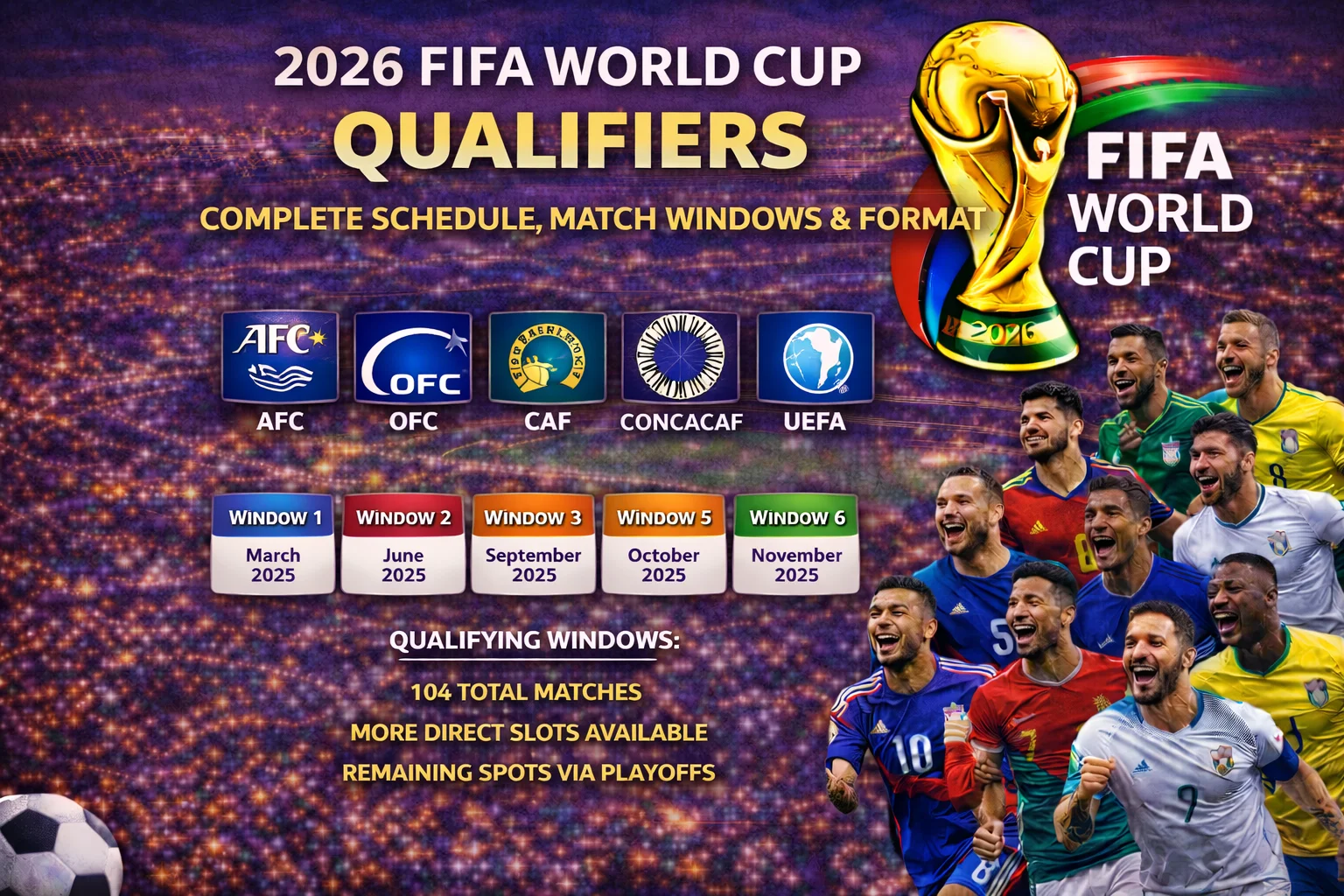
The road to the 2026 tournament featured the largest FIFA World Cup Qualifiers in soccer history. With the expansion to 48 teams, national sides competed across all continents. The qualification phase ended in March 2026 with the final playoff matches. Fans are now looking forward to the main event in North America.
What is the FIFA World Cup 2026 qualifiers schedule?
The qualification phase began in 2023 and concluded in March 2026. A total of 48 teams have qualified for the tournament. The final slots were decided in the intercontinental playoffs. All groups for the final draw are now confirmed.
Qualification Allocation by Confederation
The expansion to 48 teams changed the qualification structure. Each confederation received more direct slots for the final tournament. Europe received 16 slots, while Africa secured 9 direct slots. South America and Asia also gained additional representation.
The intercontinental playoffs offered a final chance for qualification. Six teams competed for the last two slots in March 2026. These playoffs featured teams from different continents playing in host stadiums. The drama of the playoffs kept fans on the edge of their seats.
National teams had to show consistency over a long campaign. Many groups went down to the final matchday of qualifying. The matches provided high drama and historic upsets across the globe. Now, the focus shifts to preparation for the tournament group stage.
Confederation qualifiers utilized various formats to select their representatives. The Asian qualifiers featured multiple rounds of group stages. South American qualifiers retained their classic single table league structure. These demanding paths tested the consistency of all participating squads.
FIFA World Cup Qualifiers Highlights
European qualifiers featured twelve groups of four or five teams. Group winners secured their place directly in the final tournament. In fact, this new structure created highly competitive group matches. Traditional powerhouses had to work hard to avoid playoff matches.
In South America, the CONMEBOL group stage was as intense as ever. Ten teams played in a single round-robin format over two years. The top six teams earned direct qualification to the tournament. The seventh-place team advanced to the intercontinental playoffs in March 2026.
African qualification saw nine groups of six teams competing. Winners of each group secured direct qualification to North America. The four best runners-up entered a playoff for the intercontinental slot. This format tested the depth and endurance of every squad.
The Asian Football Confederation used a multi-stage qualification system. Eight teams secured direct entry after intense group battles. The remaining hopefuls entered the playoff rounds to decide the final spots. Team preparation was critical during these demanding qualifying windows.
| Confederation | Direct Slots | Playoff Slots |
|---|---|---|
| UEFA (Europe) | 16 | 0 |
| CAF (Africa) | 9 | 1 |
| AFC (Asia) | 8 | 1 |
| CONMEBOL (South America) | 6 | 1 |
| CONCACAF (North America) | 6 | 2 |
| OFC (Oceania) | 1 | 1 |
CONCACAF FIFA World Cup Qualifiers Structure
North American qualifiers were structured differently because of host statuses. Co-hosts United States, Canada, and Mexico qualified automatically for the final tournament. This left three direct spots for the remaining regional contenders. Two additional CONCACAF teams advanced to the intercontinental playoffs.
This layout created a highly competitive environment for regional rivals. Teams like Costa Rica, Panama, and Jamaica fought hard for these spots. The matches featured intense atmosphere and drama in every stadium. In the end, the region secured strong representation for 2026.
The final draw has created exciting groups for the North American co-hosts. Fans are already booking travel between the host countries for the group stage. The regional passion for the sport will showcase soccer growth in North America. The local organizers are preparing to stage an amazing show.
The Intercontinental Play-Offs
The intercontinental play-offs took place in March 2026. Host venues in North America staged these crucial matches. Six teams from different confederations fought for the final two slots. The tension was immense as nations competed for their dream.
Winning these matches requires mental strength and tactical preparation. Fans traveled from all over the world to support their countries. The final whistles brought joy to two nations and heartbreak to others. These playoff games completed the 48-team tournament field.
The playoffs showcased the diverse playing styles of different global regions. Tactically organized defenses faced creative attacking lines in high-stakes matches. The pressure on the players was visible during penalty shootouts. These matches highlighted the global reach of the sport.
Preparing for the Group Stage
With all 48 teams confirmed, the tournament draw took place. The teams are divided into twelve groups of four. Co-hosts USA, Canada, and Mexico are placed in separate groups. Fans can now plan their trips to the host cities.
You can check the FIFA World Cup travel guide for logistics. Planning travel between USA, Canada, and Mexico requires early visa checks. Supporters should also review the world-cup-tickets-go-on-sale details. Managing accommodation and match tickets is essential for all fans.
Host stadiums are ready to welcome supporters from all qualified nations. Major cities are setting up safe fan zones for match days. Public transport networks are being expanded to handle the crowds. The stage is set for a memorable celebration of global football.
Supporters should coordinate travel plans with fellow fans early. Early booking can help secure better flight and hotel rates. Local fan clubs often arrange group transport to the stadiums. Checking host city guides will help maximize the overall experience.
How many teams qualified for the 2026 World Cup?
A total of 48 teams qualified for the tournament. This represents an increase from the 32 teams in previous editions.
When did the FIFA World Cup Qualifiers end?
The qualification phase concluded in March 2026. The final slots were decided during the intercontinental playoffs.
Which confederation got the most slots?
UEFA received the most slots with 16 direct entries. Other confederations also saw increases in their slot allocations.
Where can I find the qualification table and standings?
You can view the full standings on the official FIFA website. Local sports news outlets also update the group tables regularly.
Conclusion
The FIFA World Cup Qualifiers schedule delivered historic drama. The expansion to 48 teams allowed more nations to dream of qualification. The final playoff matches in March 2026 completed the field. Fans are now counting down to the opening match in June.
Read Also: world-cup-goalkeepers-to-watch