FIFA World Cup 2026 Draw Results & Standings

The official FIFA World Cup 2026 Draw represents a major milestone for the expanded tournament. With forty-eight nations qualified, the draw event establishes the groups for the opening stage. The historic ceremony in the host city coordinates the paths for all participating squads. Supporters can look forward to seeing legendary groupings and regional matchups.
Each confederation sends its qualified teams to be placed into seeded pots. Pot rankings are determined by official international standings before the ceremony starts. The draw process requires careful coordination to maintain geographic separation rules. Supporters are tracking the outcomes to plan their summer viewing schedules.
This guide explains the draw process, pots, and final groups for the tournament. We cover the seeding rules, co-host placements, and match predictions. Our analysis helps you navigate the exciting tournament layout.

When is the FIFA World Cup 2026 draw?
The FIFA World Cup 2026 Draw divided the forty-eight qualified nations into twelve groups of four. Co-hosts United States, Canada, and Mexico were pre-assigned to Groups A, B, and D. The official groups will dictate the entire schedule path toward the final matches.
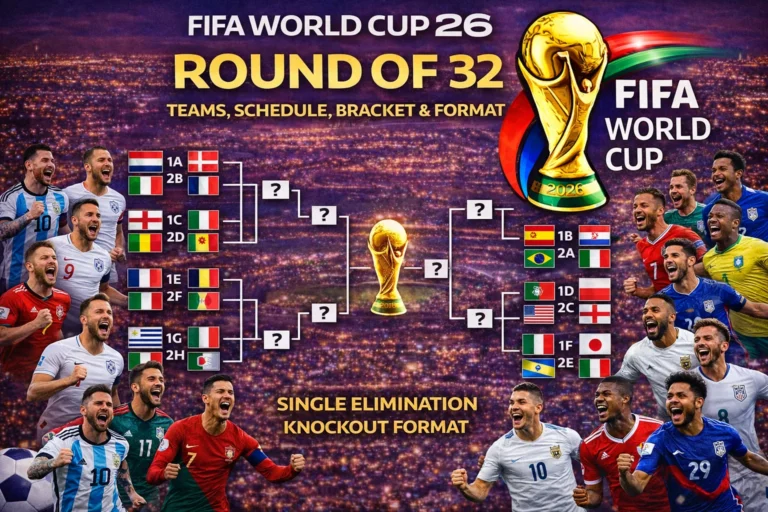
Supporters can check the FIFA World Cup group stage matches guide to see schedule fixtures. Read our FIFA World Cup hosts venue details to plan travels. You can also view the FIFA World Cup round of 32 bracket to see knockout paths.
| Seeding Pot Category | Total Teams Included | Primary Qualification Basis | Seeding Status (2026) |
|---|---|---|---|
| Pot 1 (Seeded Teams) | 12 teams | Hosts and top ranked nations | Group headliners |
| Pot 2 (Challengers) | 12 teams | Next tier in international standings | Highly competitive powers |
| Pot 3 (Mid-Tier Nations) | 12 teams | Mid-range qualifiers by region | Potential group spoilers |
| Pot 4 (Rising Teams) | 12 teams | Play-off winners and lower ranks | Ambitious debutant nations |
How the FIFA World Cup 2026 Draw worked
The forty-eight qualified nations are separated into four pots of twelve teams. Seeding is determined by the official international rankings before the draw ceremony. Co-hosts United States, Canada, and Mexico are automatically placed in Pot 1. This assignment guarantees they play in front of their home supporters during groups. The remaining Pot 1 slots go to the highest-ranked international teams.
The draw procedure uses automated software alongside physical balls to assign teams. Geographic separation rules remain active to prevent clustering of confederation members. As an example, no group can contain more than one team from Asia or Africa. Europe represents an exception due to having sixteen total qualifying slots. These rules ensure a diverse group phase for global audiences.
The ceremony was watched by millions of football supporters around the globe. Legendary players assisted the coordinators on stage to reveal the group pairings. The draw results immediately trigger hotel booking and transit coordination for fans. Local organizers adjust security plans based on the final group cities. Knowing the dates helps cities ready their local transport terminals.
Team managers monitor the draw closely to identify their group opponents. Coaches analyze tactical styles to plan their preparation camps in North America. Roster selections are adjusted to match the challenges of the group rivals. The draw outcome represents the foundation of every team’s strategy.
The allocation software prevents any grouping violations during the live broadcast ceremony. Technical experts monitor the digital databases to verify pot assignments constantly. If a conflict occurs, the system automatically redirects teams to the next available group slot. These advanced measures guarantee a fair and accurate draw outcome.
Notable groupings in the FIFA World Cup 2026 Draw
Several groupings stand out as highly competitive sections in the final results. Group A features co-hosts Mexico alongside top challengers from South America and Europe. Group L holds England and Croatia in a rematch of historic knockout fixtures. These high-profile matchups generate intense media interest and ticketing demands. Fans can expect dramatic moments as these groups unfold.
Group G represents another highly anticipated section featuring Belgium and Egypt. The tactical battle between these contrasting philosophies will highlight the opening days. Managers prioritize defensive discipline to secure essential points early. The competition for the top two slots will be fierce.
What to expect after the groups are confirmed
The confirmation of the groups allows fans to coordinate their stadium budgets. Travel routes between Canada, USA, and Mexico must be planned around match venues. Supporters check visa requirements and flight schedules for their team’s cities. Having organized plans helps prevent travel delays during the hot summer. The tournament represents a massive logistics task for visitors.
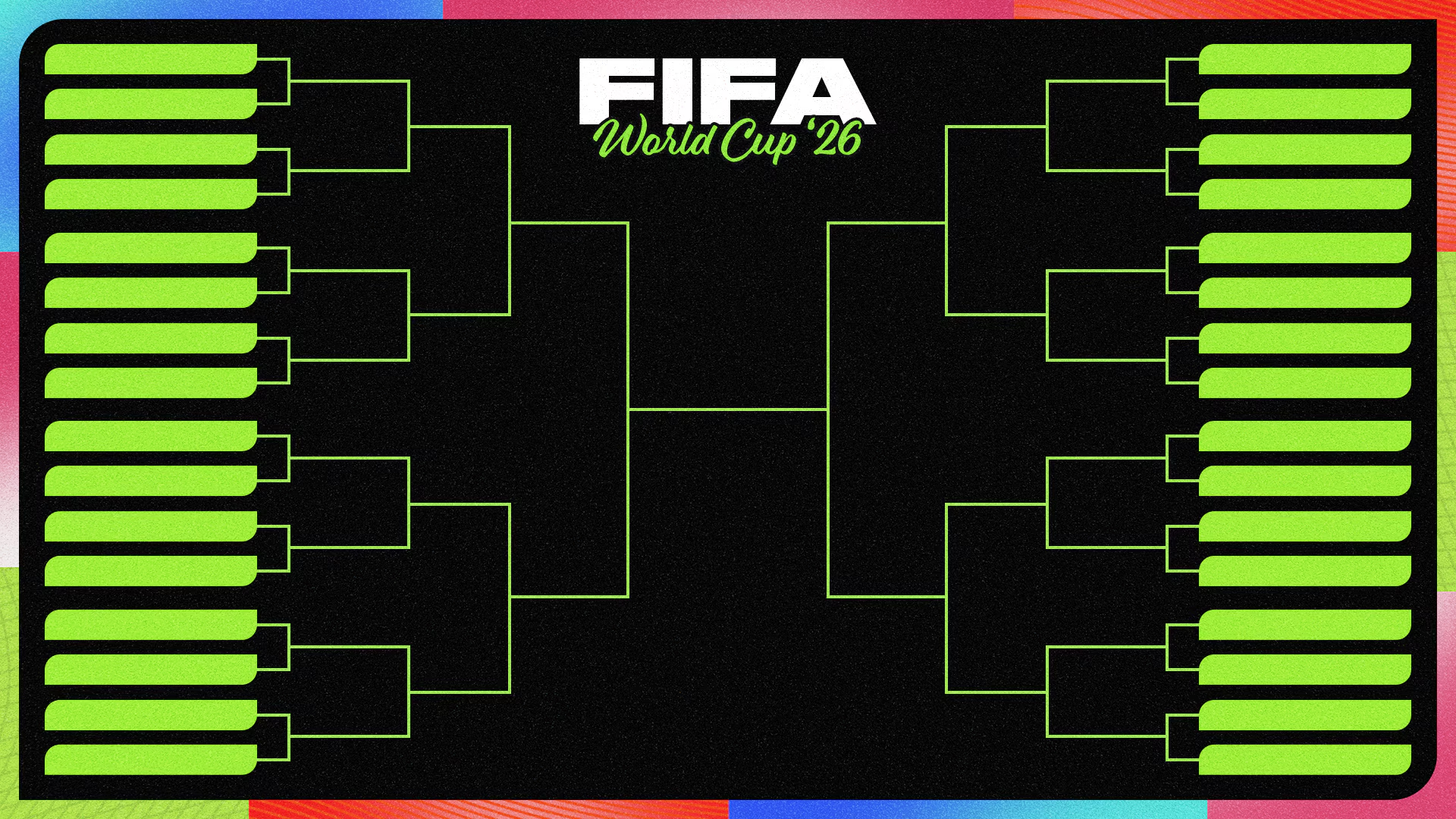
The top two teams in each group automatically qualify for the Round of 32. The best eight third-placed teams join them to complete the knockout bracket. This expanded format keeps the qualification race alive for every squad. A single goal in the final group match can change the bracket completely. Every matchday will deliver high-stakes drama on the pitch.
Sponsors are launching customized promotional campaigns aligned with the final groups. Broadcasters adjust their television program slots to match kickoff time zones. Public fan zones prepare to host giant viewing parties for supporters. The draw event transforms planning slides into active preparations.
Supporters will coordinate their accommodation bookings based on the final stadium matchups. Many fans prefer to reserve rooms near public transportation hubs to save time. Local businesses prepare special events to welcome international visitors to their cities. These community plans help create a festive atmosphere across all host cities.
Frequently Asked Questions
How many groups are in the FIFA World Cup 2026 Draw?
The draw divides the forty-eight teams into twelve groups of four, labeled A through L. This represents a major increase from the eight groups of past formats.
Where were the co-host nations placed?
United States, Canada, and Mexico are automatically placed in Pot 1. They are pre-assigned to head Groups A, B, and D to play home games.
Can teams from the same continent play in the same group?
Confederation separation rules prevent teams from the same continent playing together, except for Europe. No group can have more than two European teams.
When did the official draw ceremony take place?
The official draw ceremony was held in late December 2025 in the host country. The event confirmed all groups and match kickoff times for the tournament.
Conclusion
The draw results establish the exciting matchups and routes for the summer tournament. The FIFA World Cup 2026 Draw marks the beginning of the active countdown. Prepare your schedules to follow your national team toward the finals.
Read Also: FIFA World Cup 2026 Favorites to Win — Top Contenders Ranked