
FIFA World Cup Pass 2026: Digital ID and Visa Guide

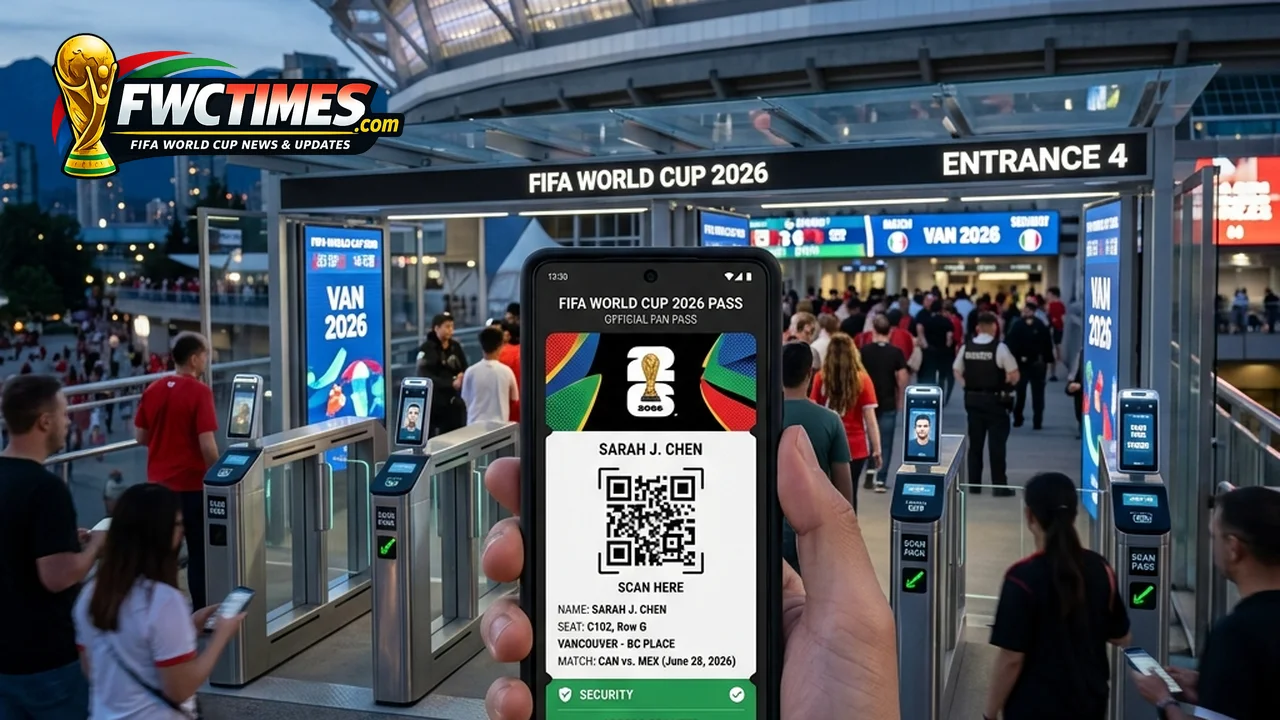
FIFA has officially introduced the “World Cup Pass,” a mandatory digital identification system for all ticket holders attending the FIFA World Cup 2026 in the United States, Mexico, and Canada. This centralized platform serves as the primary gateway for visa-free entry, stadium access, and matchday logistics. By integrating biometric data with official ticketing records, the federation aims to streamline the movement of millions of fans across international borders. The implementation of the World Cup Pass represents the most significant technological overhaul in the history of the tournament, replacing traditional physical credentials with a high-security mobile solution. The Football News community has highlighted this move as a critical step in modernizing the fan experience.
Quick Answer: What is the FIFA World Cup Pass 2026?
The World Cup Pass is a digital ID required for all fans attending the 2026 tournament. It integrates ticket information, government-issued identification, and entry permits into a single mobile app. This pass is essential for accessing the FIFA World Cup 2026 stadiums and facilitates expedited immigration processing for international supporters.
How the Digital ID System Works
The core of the World Cup Pass is a secure, blockchain-verified digital identity that links a fan’s personal information directly to their purchased tickets. Upon purchasing a ticket, fans must download the official FIFA app and undergo a verification process that includes scanning a government-issued passport and providing a live facial biometric scan. Once verified, the app generates a unique, dynamic QR code that serves as the fan’s entry permit for the duration of the tournament. This system is designed to eliminate ticket fraud and unauthorized reselling, as each pass is non-transferable and tied to a single verified individual. The US visa bond exemption for several nations is directly linked to this enrollment process.
Logistical planners have emphasized that the World Cup Pass will significantly reduce wait times at stadium gates and security checkpoints. By utilizing “contactless” technology, fans can simply tap their smartphones at entry kiosks, which will instantly verify their identity and seat assignment. This high-efficiency model is essential for managing the 104 matches scheduled for the 2026 edition. The federation is also working with local transit authorities in host cities to integrate the pass with public transportation systems, allowing for seamless travel between fan zones and venues. This holistic approach to fan logistics is a key pillar of the tournament’s operational strategy.
Security agencies in the United States, Mexico, and Canada have full access to the pass’s backend data, allowing for real-time monitoring of fan density and movement. This integration ensures that any potential security threats can be identified and mitigated before they impact the event. While concerns regarding data privacy have been raised, FIFA has assured the public that all personal information is encrypted and stored in compliance with international data protection regulations. The pass will also feature a “Fan Support” module, providing users with instant access to emergency services and matchday updates. This commitment to safety and communication is a hallmark of the 2026 organizing effort.
Visa Integration and Cross-Border Travel
One of the most transformative features of the World Cup Pass is its role in facilitating international travel. For fans from nations that typically require a visa to enter the host countries, the pass acts as a digital entry permit. Once a fan’s identity and ticket status are verified within the app, the data is automatically shared with the immigration authorities of the respective host nation. This process triggers an expedited review, often resulting in a digital “entry authorization” being added directly to the pass. This innovation effectively creates a “World Cup Corridor,” allowing for smoother transitions between the three host countries for fans following their teams across the continent.
The Canada visa bond update and other regional immigration policies are being adjusted to synchronize with the World Cup Pass requirements. Fans who fail to enroll in the system may face significant delays at the border and could be denied entry even if they possess a valid match ticket. The KFA and other national federations are providing detailed guides to their supporters to ensure that every fan understands the importance of early enrollment. The goal is to have at least 90% of ticket holders verified through the pass by the end of 2026, providing a stable logistical foundation for the tournament’s opening ceremony.
Furthermore, the pass serves as a “health and safety” credential, allowing authorities to push critical alerts and weather updates directly to fans’ devices. If a match is delayed or a venue change is required, ticket holders will receive a push notification with updated instructions. This real-time communication channel is essential for managing a tournament spread across multiple time zones and climates. The integration of travel, security, and communication into a single digital platform is a testament to the ambitious vision for the 2026 World Cup. The success of this system will likely influence how major international events are managed for decades to come.
Future of Fan Experience and Digital Connectivity
The World Cup Pass is more than just a logistical tool; it is a platform for enhanced fan engagement. Through the app, supporters can access exclusive content, interactive stadium maps, and personalized rewards from tournament sponsors. The system also includes a “Fan Community” feature, allowing users to connect with fellow supporters and coordinate travel plans. By creating a unified digital community, FIFA is fostering a sense of global unity that transcends the action on the pitch. This digital-first approach reflects the modern evolution of football into a comprehensive lifestyle and entertainment experience.
From a commercial perspective, the pass provides FIFA and its partners with invaluable data on fan behavior and preferences. This information can be used to optimize stadium concessions, merchandise sales, and future marketing campaigns. However, the primary focus remains on providing a seamless and enjoyable experience for the fans who have traveled thousands of miles to support their teams. The organizing committee is committed to ensuring that the technology remains reliable even in high-density stadium environments with limited cellular connectivity. Local infrastructure upgrades in host cities have prioritized the deployment of high-speed Wi-Fi and 5G networks to support the World Cup Pass ecosystem.
In the final months leading up to the tournament, FIFA will launch a series of “beta tests” for the pass during international friendly matches and confederation tournaments. These trials will allow for final refinements to the user interface and backend systems. Fans are encouraged to download the app as soon as it is officially released to begin their verification process. The commitment to a secure, efficient, and inclusive digital ID system is a positive sign for the future of the 48-team World Cup. The 2026 edition is set to be a historic celebration of global football, powered by the most advanced technology in the history of the sport.
Frequently Asked Questions
FIFA expects to release the final version of the World Cup Pass app by late 2026 to allow fans sufficient time for verification.
Stay tuned to FWCTimes.com for the latest FIFA World Cup 2026 updates.
Read Also: South Korea Set for World Cup 2026 Squad Reveal