FIFA UEFA Balogun Row Deepens Before Belgium Appeal Decision

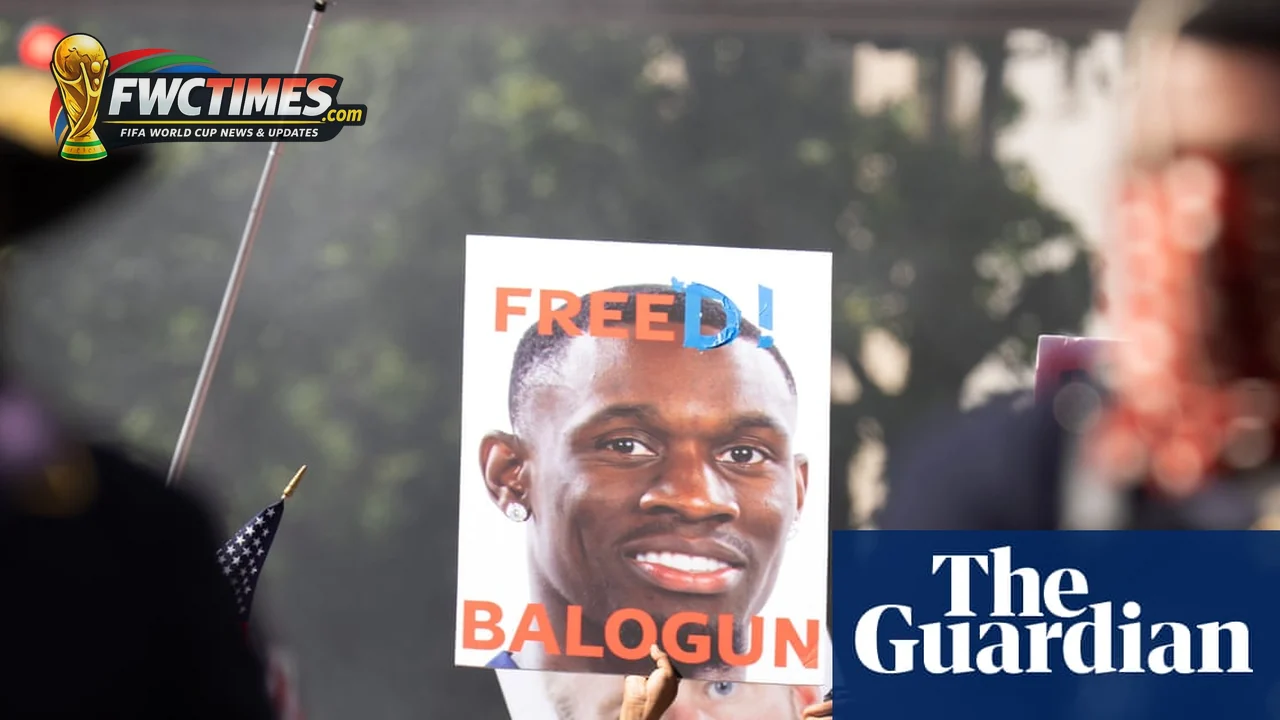
FIFA UEFA Balogun Row has deepened after FIFA defended its decision to place Folarin Balogun’s red-card suspension under probation. Folarin Balogun played in the United States loss to Belgium after the disciplinary ruling. UEFA criticised the decision and argued that the integrity of the tournament was at risk. Belgium are now weighing whether to take the matter to sport’s highest appeal route.
The dispute has moved beyond one tackle because it now tests how the FIFA World Cup 2026 handles discipline under political and competitive pressure. United States exited the tournament after a 4-1 defeat, but the red-card ruling still matters. FIFA says the card was not erased, only the automatic ban was suspended under article 27. UEFA sees that difference as too thin for a knockout-stage decision.
Why FIFA Defended The Balogun Probation Call
FIFA’s position rests on the difference between overturning a red card and changing its sporting punishment. The disciplinary committee left the card in place, then placed the one-match suspension under probation for one year. That approach allowed Balogun to face Belgium while keeping a sanction attached to the incident. FIFA framed the ruling as legally available rather than exceptional.
The governing body also pointed toward disciplinary flexibility used in European competitions. That argument explains why FIFA accused UEFA of inconsistency after the public criticism. The line of defence is practical, but it does not remove the perception problem. A suspension delay in the middle of a World Cup knockout run will always draw pressure.
FIFA President Gianni Infantino said he did not know about the decision until it was published. That claim matters because Donald Trump publicly said he had called FIFA over the case. FIFA also stressed the independence of the disciplinary panel. The timing still leaves critics asking how much outside attention shaped the environment.
The football impact was limited by Belgium’s performance. Balogun started, but Belgium controlled the match and advanced with authority. That result did not end the argument because the ruling created a precedent question. Future teams will now ask whether similar probation can apply to other red-card bans.
Belgium And UEFA Still Have A Discipline Question To Pursue
Belgium have the strongest sporting reason to keep the case alive. They faced a striker who would normally have served an automatic ban. Their win reduces the immediate damage, yet it does not remove the principle. A formal appeal could seek clarity before another team faces a similar ruling.
UEFA’s criticism also reflects a wider institutional clash. International tournaments need disciplinary decisions that teams understand before a matchday. If a suspension can shift close to kickoff, coaches and opponents lose certainty. That uncertainty becomes more serious in elimination matches.
Balogun’s own tournament now carries two labels. He scored important goals earlier, then became the centre of a disciplinary storm. His message after elimination focused on future growth for the national team. The red-card ruling will still follow his first World Cup story.
The decision also affects public trust in officiating. Fans can accept harsh cards when rules feel stable. They react differently when punishments change after public lobbying. FIFA must now explain the ruling more clearly than the match result ever could.
| Dispute Point | Confirmed Detail |
|---|---|
| Original Incident | Balogun received a red card against Bosnia and Herzegovina |
| FIFA Ruling | The automatic ban was placed under one-year probation |
| UEFA Position | UEFA criticised the decision and questioned tournament integrity |
| Belgium Response | Belgium are considering a formal appeal route |
The details show why the case outlived the United States exit. FIFA can argue that the rulebook allowed probation, but UEFA can argue that timing damaged confidence. Both positions can exist at once. The issue now is whether the tournament wants that ambiguity repeated.
The cleanest solution would be a public disciplinary explanation before the next similar case. Teams need to know when article 27 applies, who decides it, and how quickly opponents can respond. Without that clarity, every red-card appeal will invite suspicion. World Cup knockout matches cannot afford that cloud.
Balogun remains a major United States player, yet this story now belongs to governance as much as selection. Belgium won on the field, UEFA challenged the process, and FIFA defended its authority. The next move will decide whether this becomes a closed case or a longer institutional fight.
Frequently Asked Questions
FIFA has won the immediate procedural fight, but the Balogun case now demands a clearer disciplinary standard.
Stay tuned to FWCTimes.com for the latest FIFA World Cup 2026 updates.
Read Also: Balogun Suspension Rules Block USMNT Red Card Appeal