World Cup Final Halftime Show Delay Frustrates Broadcasters

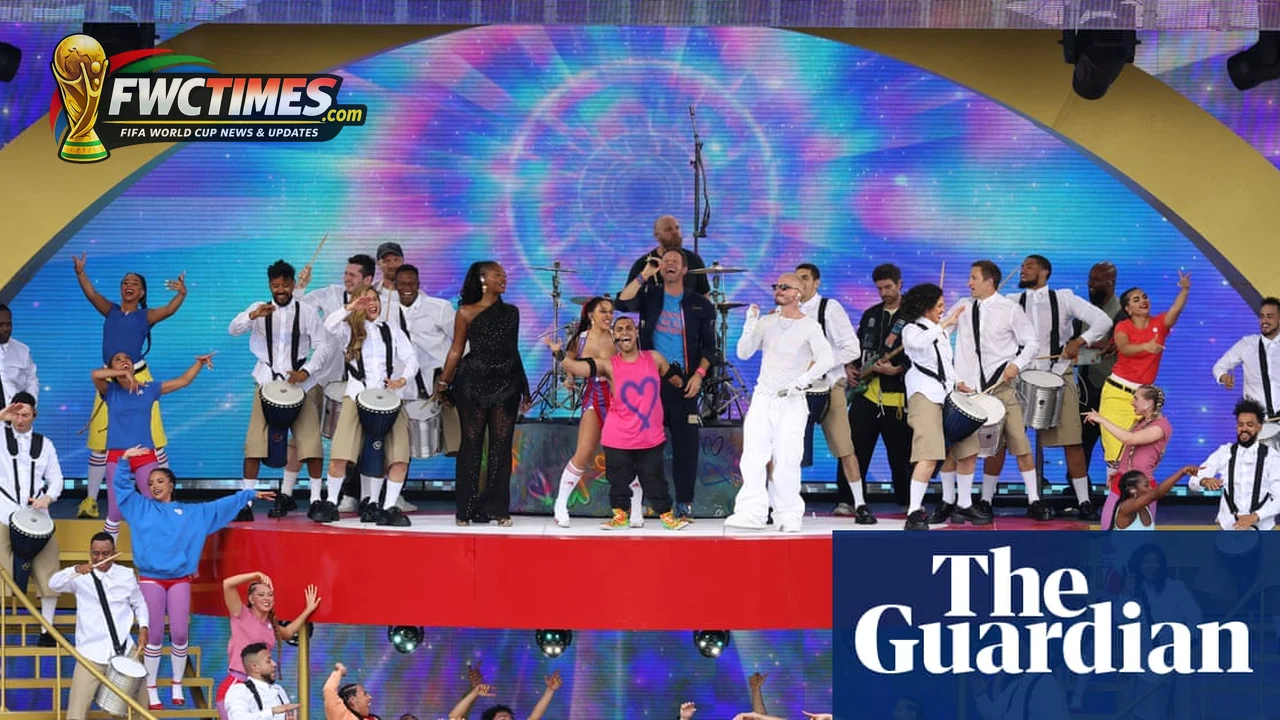
Broadcasters still do not know how long the first World Cup final halftime show will last. That delay is now causing commercial problems. FIFA has confirmed the spectacle, the artist lineup and the MetLife setting. It has not confirmed the interval length. That gap matters because television partners need a fixed break before they can lock ad inventory and match production plans.
The issue reaches beyond showbusiness. The final sits at MetLife Stadium on July 19. It will carry the first halftime concert in men’s FIFA World Cup 2026 history. FIFA has already used the event to expand pre-match entertainment across the tournament. Now the people selling and scheduling the broadcast need clearer rules than they have received so far.
Why The Missing Timing Matters So Much
A World Cup final already runs on the tightest television clock in football. Broadcasters build ad breaks, analysis windows and station handoffs around a fixed halftime period. Once that timing slips, every department has to recalculate. The longer the uncertainty lasts, the harder it becomes to sell premium commercial slots cleanly.
The show itself is not in doubt. FIFA and Global Citizen have already confirmed Madonna, Shakira and BTS for the final, with Chris Martin curating the production. That makes the timing issue more awkward, not less. Everyone knows the event is coming, yet the people carrying it live still lack one key operational detail.
Football rules add another layer. The Laws of the Game normally cap halftime at 15 minutes. Any longer interval needs competition approval and referee permission. That is why the unanswered questions matter so much to the FIFA World Cup broadcasting rights landscape. The final will not only look different. It may run on a different rhythm too.
Rights holders also have recent evidence to worry about. The Club World Cup final at the same venue last year featured a longer concert break. That example now shapes planning assumptions. Broadcasters can absorb a clear change. They struggle when the change remains fluid this close to the event.
FIFA’s Entertainment Push Has Reached A New Planning Test
FIFA has spent weeks building an entertainment-heavy launch. The organization has already confirmed three opening ceremonies and a broad cultural program across host nations. FWCTimes tracked that push in its earlier World Cup opening ceremonies story coverage. The final halftime show is the biggest expression of that strategy. It is also the one with the most expensive broadcast consequences.
The push makes sense from one angle. FIFA wants this tournament to feel enormous on television, in stadiums and across public spaces. Yet there is a fine line between bigger spectacle and broadcast clutter. Viewers may accept a longer break if the production feels sharp. Networks still need to know what they are selling before they reach that moment.
The final also sits inside a much wider commercial squeeze. Ticket demand remains intense, sponsor activity is accelerating and every part of the event now feeds a larger media machine. Fans following the tournament through the World Cup tickets market already know how expensive the showpiece has become. Broadcast certainty is another part of the same premium package.
FIFA can still resolve the tension by publishing a fixed interval window early enough for partners to reset. Until that happens, broadcasters are left preparing for multiple outcomes at once. That is not how elite live sport usually works, and it explains why frustration has started to surface.
| Final Halftime Issue | Confirmed Position |
|---|---|
| Show status | First men’s World Cup final halftime show is confirmed |
| Venue | MetLife Stadium on July 19 |
| Artists | Madonna, Shakira and BTS, curated by Chris Martin |
| Current problem | Broadcasters still lack a fixed halftime duration |
| Rules backdrop | Standard halftime in football is normally limited to 15 minutes |
FIFA has already won the attention battle on this story. The harder part is turning attention into a smooth live product. Broadcasters need certainty before they can sell the final like the premium event it is meant to be.
The dispute also says something larger about this World Cup. Organizers want spectacle to sit closer to American entertainment habits than previous tournaments allowed. That ambition may expand the audience, yet it also creates more operational friction than football usually tolerates.
The final does not need less scale. It needs a clearer production clock. Until FIFA sets that clock, the show remains big in public and unfinished in practice.
Frequently Asked Questions
The final halftime show is already a major entertainment play. FIFA still needs to turn it into a finished broadcast plan.
Stay tuned to FWCTimes.com for the latest FIFA World Cup 2026 updates.
Read Also: Mexico City Closes Schools And Offices For World Cup Opener