World Cup Grass Plan Rebuilds 16 Stadium Fields Before Kickoff

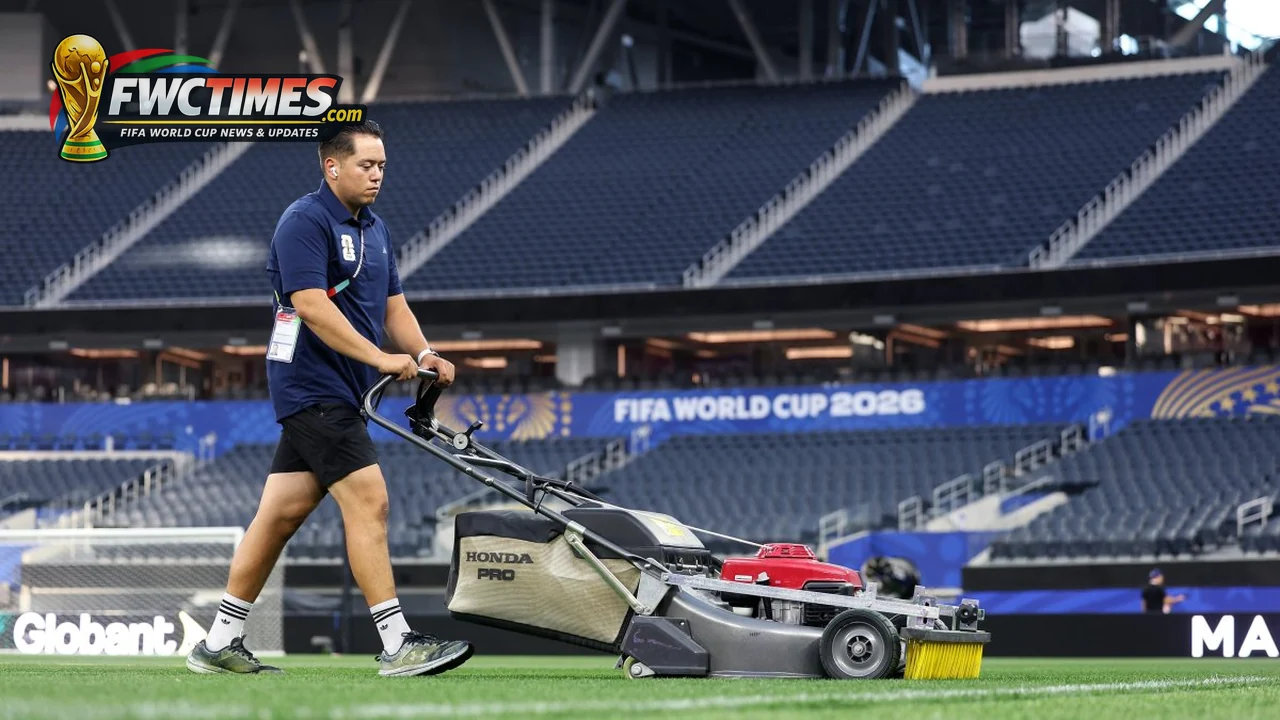
The World Cup grass plan has turned venue prep into one of the most technical parts of FIFA World Cup 2026. FIFA needed 16 stadiums across three countries to feel close to one standard, even when many of them usually host American football on synthetic surfaces. That challenge became bigger because the tournament expanded to 48 teams and 104 matches. A bad pitch in one city would ripple across the whole event.
The project matters most in the United States, where several host venues were not built as soccer-first buildings. FWCTimes has already tracked how wide the American footprint is in the FIFA World Cup in United States Guide: Host Cities coverage. The grass plan is the hidden layer under that map. Fans see seats, scoreboards and ceremonies first, while players judge the tournament through the field under their boots.
How FIFA Tried To Standardize 16 Different Venues
The work did not start this spring. Turf specialists at Tennessee and Michigan State spent roughly eight years helping build the hybrid approach now used for all 16 stadiums. FIFA wanted fields that would stay mostly natural and still play similarly from city to city. That is difficult in any World Cup, and it becomes much harder across three countries and multiple climate bands.
The grass itself changes by region. Warmer venues use Bermuda grass, while cooler climates and indoor sites use perennial rye mixed with Kentucky bluegrass. Those stadium and training surfaces were grown and harvested at 10 turf farms across the host nations. The mix shows that FIFA did not chase one universal sod. It chased a standard of play across different environments.
Domed buildings added another layer. Five covered venues need UV grow lights because the grass cannot survive heavy use without a sunlight substitute. That detail matters because the World Cup is not asking for a pretty field on day one. It is asking for match-grade consistency through repeated use in a compressed schedule.
The broader tournament design raises the stakes further. A 104-match event means more wear, faster turnovers and less recovery time between fixtures. That is why climate, lighting and replacement planning have become as important as simple installation. The engineering story now sits right beside match operations in places like World Cup matches in Los Angeles.
Why NFL Buildings Needed Bigger Retrofits
Los Angeles offers the clearest live example. Organizers have described natural grass grown about 1,600 miles away in Washington and laid over an elevated field inside SoFi before tournament play. That turns a football venue into a far more complex soccer environment within days. The shift fits the scale already expected at Los Angeles Stadium World Cup 2026 Schedule and Guide.
The retrofit issue is not only about the surface. Multi-use stadiums need field width, support layers, irrigation control and maintenance access to work together. If one piece fails, the ball speed, footing and recovery pattern change quickly. That is why FIFA has treated venue prep as a fairness issue, not only a landscaping task.
Other host sites face different stress points. Some need weather management more than structural adaptation, while others need the opposite. FWCTimes has already covered a similar balance in Philadelphia Stadium World Cup 2026 Transformation and the broader heat challenge in World Cup 2026 Heat Risk Hits 26 Matches. The grass plan has to live inside those venue-specific pressures, not above them.
The deeper reason this story matters is simple. When pitches work, most viewers stop noticing them after kickoff. When they fail, players talk about them immediately and the football changes with them. Even routine venue details now sit beside a much more demanding surface operation than an NFL weekend would require.
| Pitch Project Detail | Verified Update |
|---|---|
| Research window | Turf specialists worked about eight years on the hybrid approach |
| Venue count | All 16 World Cup stadiums are part of the natural-grass plan |
| Warm-weather choice | Bermuda grass is used in hotter venues and Mexico’s warmer sites |
| Cooler and indoor choice | Perennial rye mixed with Kentucky bluegrass is used in cooler climates and indoor venues |
| Domed support | Five covered stadiums need UV grow lights to protect the grass |
The table makes the real point clear. FIFA is not installing one field idea everywhere. It is building one playing standard through several different solutions. That is a harder job than simply swapping turf for sod.
The success test will look strange because the best outcome is silence. If players stop talking about footing, bounce and grip, the plan likely worked. If field quality becomes part of every post-match reaction, the engineering effort will feel much less convincing.
That is why the grass story belongs near the center of tournament prep. The 2026 World Cup can absorb travel strain, weather swings and heavy crowds. It cannot afford 16 venues playing like 16 different sports.
Frequently Asked Questions
The pitch project has become a quiet tournament battleground. FIFA’s strongest result will be a month of matches where the grass stops being a story at all.
Stay tuned to FWCTimes.com for the latest FIFA World Cup 2026 updates.
Read Also: MetLife Stadium LEED Gold Push Sharpens World Cup Sustainability Story