MLS Sees World Cup 2026 As Start Of A New Era

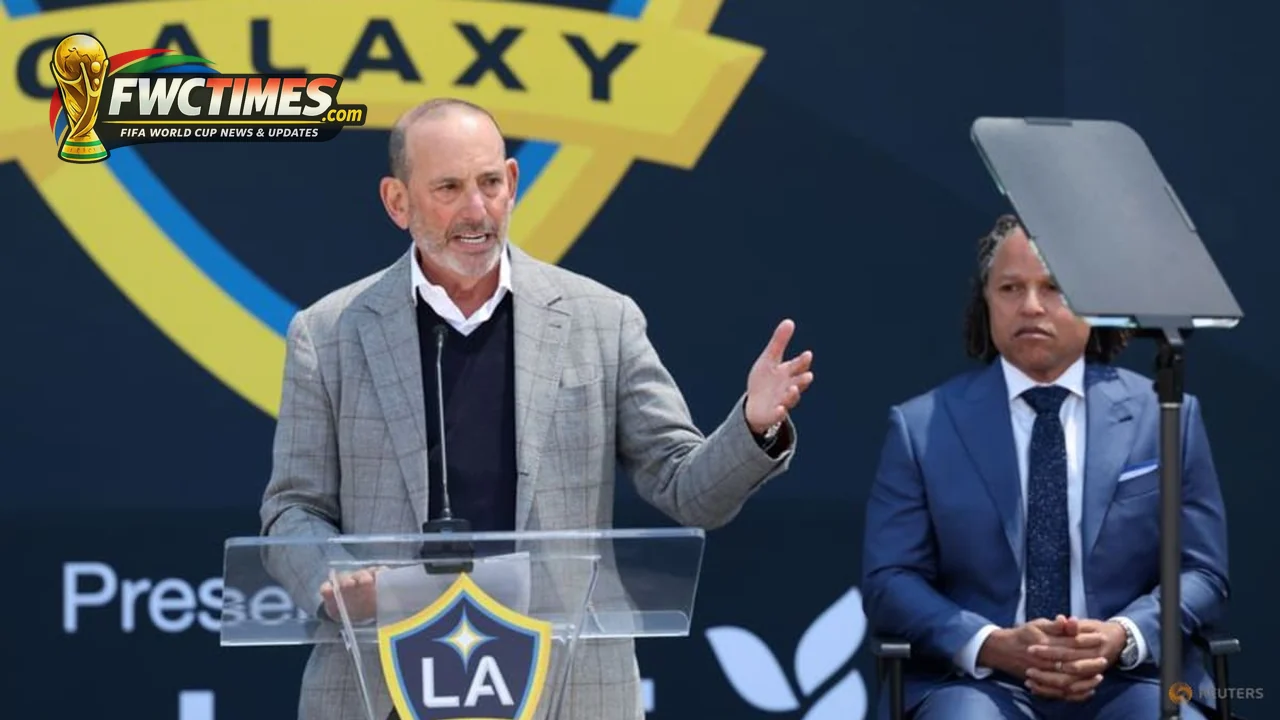
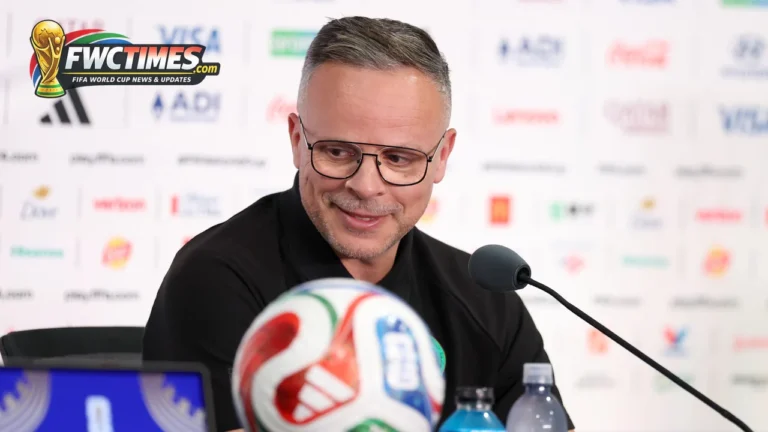
Major League Soccer wants more than a six-week boost from the tournament. League commissioner Don Garber says World Cup 2026 should act as a launchpad for a different MLS, not a loud summer detour. He said the league treated the event as its “North Star” after host rights were awarded in 2018. That long view shapes how MLS now sells its future.
The strategy matters because much of the global attention will pass through the United States during the tournament. MLS wants that attention to stay after July. So Garber is measuring more than tickets or one-off noise. He is chasing deeper relevance, wider name recognition and a stronger league identity.
What MLS Says It Has Already Built Since 2018
Garber points to visible structural growth. MLS has added seven teams and nine soccer-specific stadiums since the World Cup hosting award. The league also changed roster rules to support younger investment, not only late-career star recruitment. Those decisions were made with 2026 in mind, not as last-minute decoration.
The financial numbers are part of the case too. MLS says attendance has risen by 35 percent in that period, while collective club valuations have tripled to about $23 billion. Those figures do not prove permanent global status on their own. They do show that MLS has used the build-up years to expand scale and confidence.
The media side matters just as much. Garber said combined viewership across Apple TV, linear partners and other outlets has climbed 62 percent year on year. That ties directly into the larger FIFA World Cup broadcasting rights conversation because MLS needs visibility across more than one platform. A league that hides behind one paywall will not absorb World Cup curiosity well.
The Lionel Messi effect remains central even when Garber talks about broader systems. He said Messi changed how outsiders see the league, and that shift has also changed how clubs sell ambition. The shadow of Argentina still helps MLS because Messi gave casual fans a clear reason to look closer. Now the league wants those fans to stay for more than one star.
Why Garber Is Talking About Relevance Instead Of A Spike
Garber rejected the idea of a short post-tournament sugar rush. He said MLS does not want the World Cup to feel like a Taylor Swift concert that creates huge energy and then disappears. He wants it to feel like the front porch to a new house. That metaphor tells you the league is thinking in years, not headlines.
The next growth test sits in behavior, not only attendance. MLS wants more people to know the clubs, recognize the players and treat the league as part of the global game. That is also why Garber defended the planned calendar shift. He thinks better alignment with transfer windows and the wider football world can make MLS easier to take seriously.
The Mohamed Salah line was revealing too. Garber said MLS would love to sign him if the chance ever develops. That was not only about one player. It was a way of saying the league still sees room to compete for names that can move worldwide attention.
The World Cup can open that door, but only if the league feels stronger once the tournament leaves. MLS has spent eight years preparing for a credibility test. It now wants the football public to judge the whole structure, not only the event happening on its soil.
| MLS Growth Marker | Current Position |
|---|---|
| Expansion since 2018 | Seven new teams and nine soccer-specific stadiums |
| Attendance change | Up 35 percent in the World Cup build-up period |
| Club valuation estimate | About $23 billion across the league |
| Cross-platform viewership | Up 62 percent year on year |
Those numbers give MLS a stronger story than it had before the 2022 period ended. Yet the harder question sits after the final. Will casual viewers remember clubs, players and kickoff windows once the global tournament leaves? That answer will decide whether Garber’s long-range bet worked.
MLS also has a better platform than it had eight years ago. Stadium infrastructure is deeper, club identities are clearer and younger talent matters more in roster planning. Those changes give the league something real to show off. The World Cup spotlight will test whether the package holds up.
Garber has framed the event as an inflection point, not a victory lap. That is a smart read. The league has built a runway, but it still needs takeoff.
Frequently Asked Questions
MLS has built a bigger stage for itself, but July will only matter if the audience stays in August.
Stay tuned to FWCTimes.com for the latest FIFA World Cup 2026 updates.
Read Also: World Cup 2026 By The Numbers Before Opening Night